
Most retrofit and brownfield projects don’t fail in the field. They fail quietly—months earlier—during planning.
By the time steel doesn’t fit, piping clashes, or OEM skids won’t land where expected, everyone already knows the painful truth: “We should’ve known this sooner.”
This article breaks down why retrofit and brownfield projects derail before construction even begins, the early warning signs most teams miss, and how investing in accurate baseline data changes outcomes across engineering, construction, and ownership.
Across energy, utilities, and heavy industrial sites, failed retrofits share a common thread: Decisions are made on assumptions instead of reality.
Schedules, budgets, and designs move forward while the actual site conditions remain:
That gap between what’s assumed and what actually exists is where risk compounds.
Legacy drawings, redlines, and PDFs are often:
In one anonymized AsBuilt3D power facility project, over 40% of field-installed piping did not exist in the latest CAD set. Design advanced anyway—because stopping felt worse than proceeding.
Result: rework was inevitable, not accidental.
.png)
Engineering teams are incentivized to keep moving:
Meanwhile, reality capture is delayed or scoped too lightly.
By the time conflicts surface, they’re no longer “unknowns”—they’re schedule threats.
Common failure point: “We’ll validate in the field later.”
Later is always more expensive.
OEM equipment is often designed assuming:
But brownfield spaces rarely behave that way.
We’ve seen OEM skids arrive onsite only to discover:
At that point, everyone loses:

This mindset feels pragmatic—but it’s risky.
Construction is the most expensive phase to discover:
Once boots are on the ground:
Projects don’t fail because teams are careless. They fail because uncertainty was allowed to persist too long.
Read: How Reality Capture Decreases Risk and Boosts Efficiency
The impact of poor baseline data shows up as:
And ultimately, that quiet fear everyone shares: “If we’d just captured this earlier, we wouldn’t be here.”
When teams invest early in accurate site data:
3D laser scanning and model-based existing conditions don’t eliminate uncertainty—but they bound it.
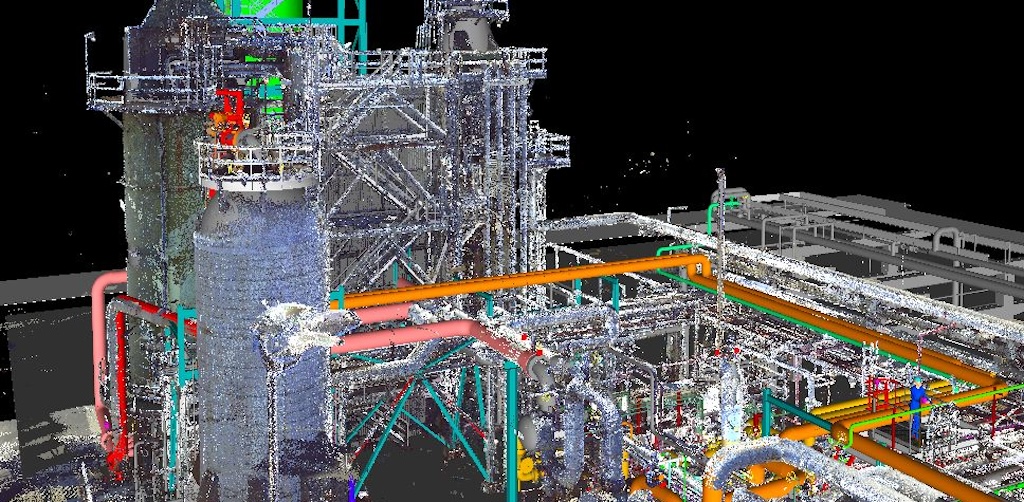
Not what used to exist.
Not what needs last-minute workarounds.
Instead of hoping contingencies cover surprises.
Before advancing design, ask:
If the answer isn’t clear, baseline data is missing.
Read: Learn about AsBuilt's process
Retrofit and brownfield projects don’t fail because they’re complex. They fail because complexity isn’t measured early enough.
Accurate baseline data isn’t overhead—it’s risk insurance for:
And it’s always cheaper before construction starts.
Read: See the benefits of 3D Scanning in Project Management
If you’re planning a retrofit or brownfield project and relying on legacy drawings or assumptions, now is the moment to pause.
Early reality capture and model-based existing conditions give teams the clarity they wish they had later—before decisions are locked and money is committed.
Talk with AsBuilt3D about establishing an accurate baseline that supports engineering, OEM coordination, and constructability—before surprises become change orders.

Each project represents our commitment to accuracy and technical excellence


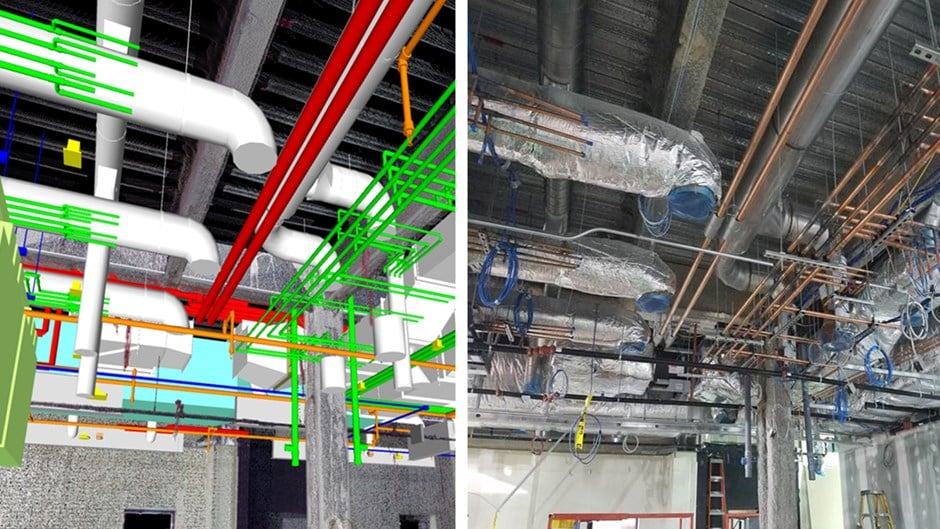


Talk with our team about your facility, scope, and objectives to determine the right capture, modeling, and analysis approach.