
Fabrication and installation verification
Confirm what was built matches what was planned.
Independent, scan-based verification of fabricated and installed components—ensuring equipment, systems, and structures are placed correctly before issues become costly to fix.
What fabrication and installation verification provides
Fabrication and installation verification uses high-accuracy laser scanning to confirm that components are installed in the correct location, orientation, and alignment relative to design intent.
Instead of relying on visual checks or manual measurements, verification is performed digitally against scan data—providing objective confirmation that work was executed as expected, or clear documentation when it was not.
This service is commonly used during active construction, retrofit installations, equipment placement, and final acceptance.
When fabrication and installation verification is the right approach
Verification is most valuable when tolerances are tight, access is limited, or downstream work depends on correct placement. Scan-based verification allows teams to catch issues early—before they cascade into larger problems.
Verify installed equipment position and alignment
Confirm fabricated components were placed per design
Validate elevations, offsets, and clearances before tie-ins
Identify installation errors before closeout
Support acceptance, turnover, and quality assurance reviews
Deliverables from fabrication and installation verification
Each verification engagement produces clear, documented outputs that support construction, engineering, and quality teams.
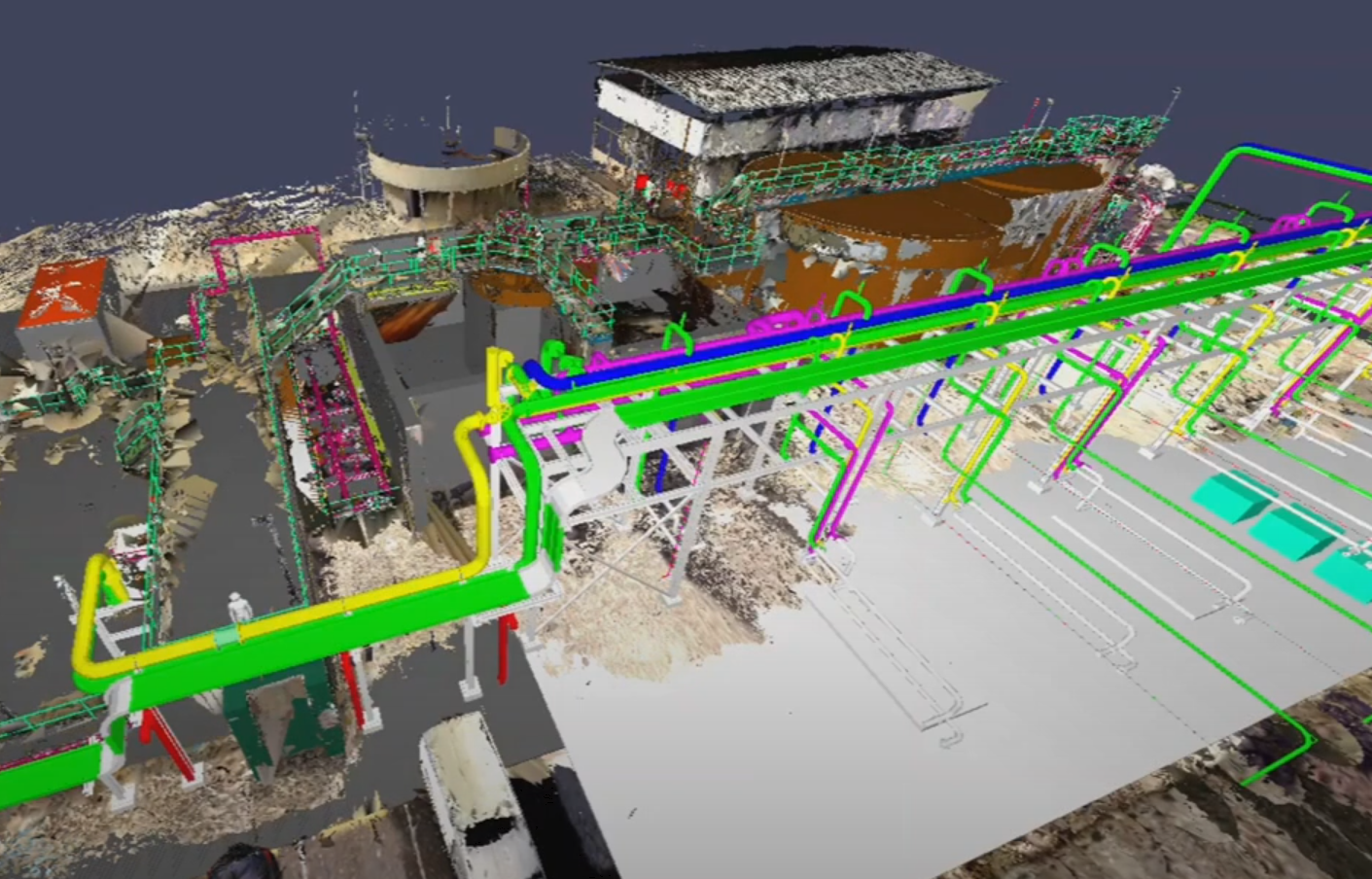
Installation verification reports
Measured confirmation of component location, alignment, and orientation relative to design or approved models.
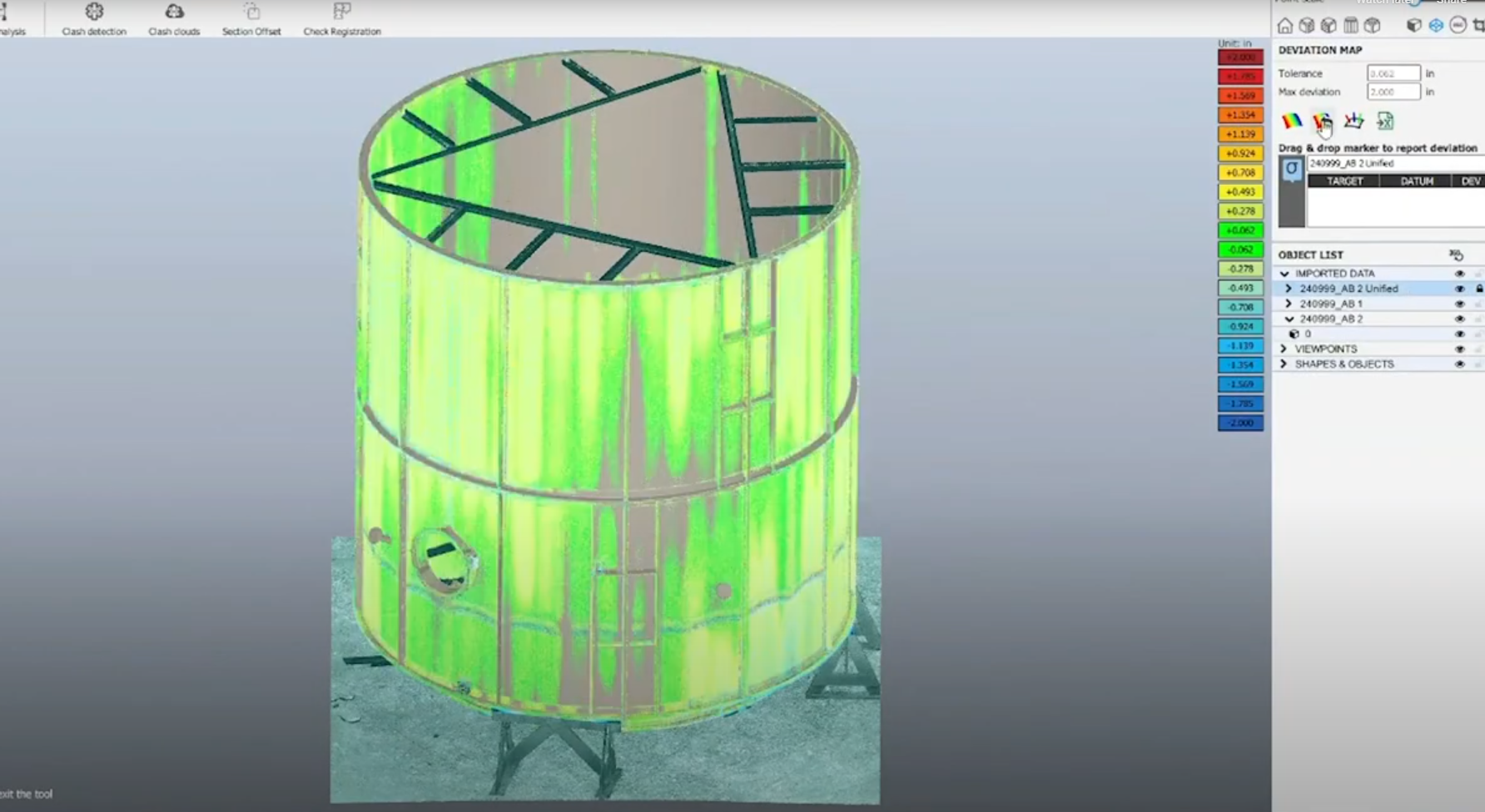
Deviation and tolerance analysis
Identification of variances outside acceptable tolerances, with quantified offsets and clear documentation.
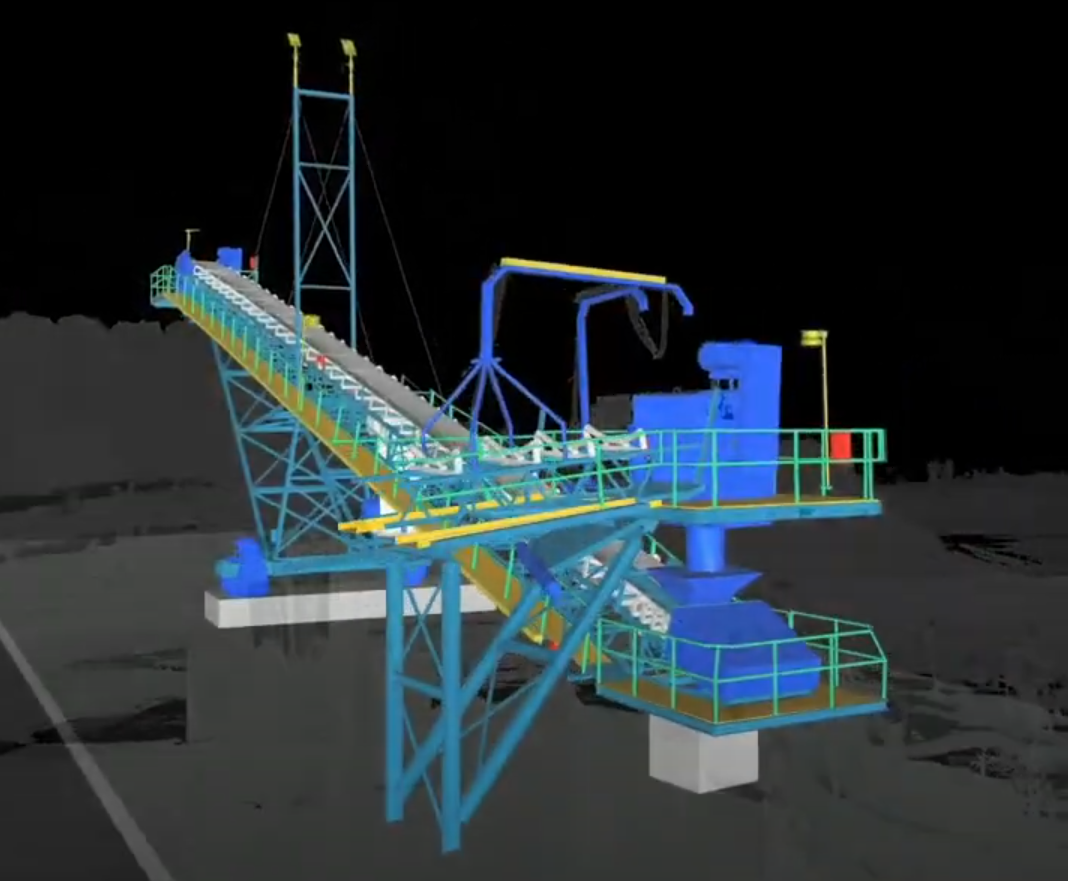
Clearance confirmation outputs
Verification that installed systems meet required access, spacing, and operational clearances.
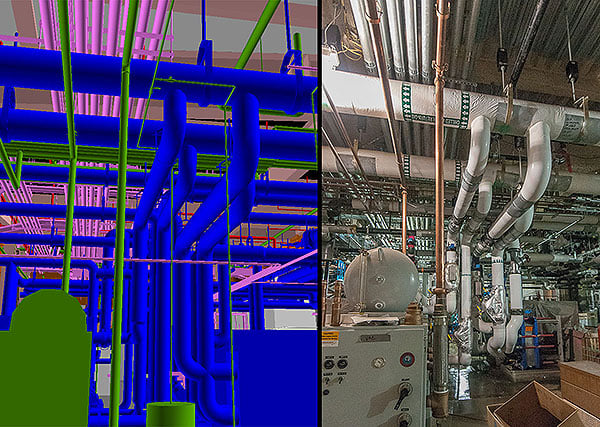
Annotated visual comparisons
Overlay views and screenshots comparing scanned conditions to design geometry for easy interpretation.

Acceptance-ready documentation
Deliverables formatted for construction closeout, QA/QC, and owner acceptance workflows.
From scan data to verified conclusions
We follow a structured, repeatable process to ensure analysis results are accurate, defensible, and aligned with project goals.
Define verification criteria
We align on what will be verified—components, tolerances, and acceptance thresholds—before scanning begins.
Capture installed conditions
We scan the installed environment using high-accuracy laser scanning to capture true as-built conditions.
Compare, validate, and document
Installed conditions are compared against design intent, fabrication models, or approved layouts, with findings clearly documented.
Outcomes enabled by installation verification
Practical outcomes that reduce construction risk and rework.
Prevent downstream rework
Catch placement and alignment issues before they affect tie-ins, commissioning, or operations.
Protect schedule and budget
Resolve discrepancies early—when fixes are faster and less expensive.

Improve accountability
Provide objective, third-party documentation of installation accuracy.
Support confident acceptance
Give owners and engineers verified proof that work meets requirements.
Start with accurate data you can trust
Talk with our team about your facility, scope, and objectives to determine the right capture, modeling, and analysis approach.