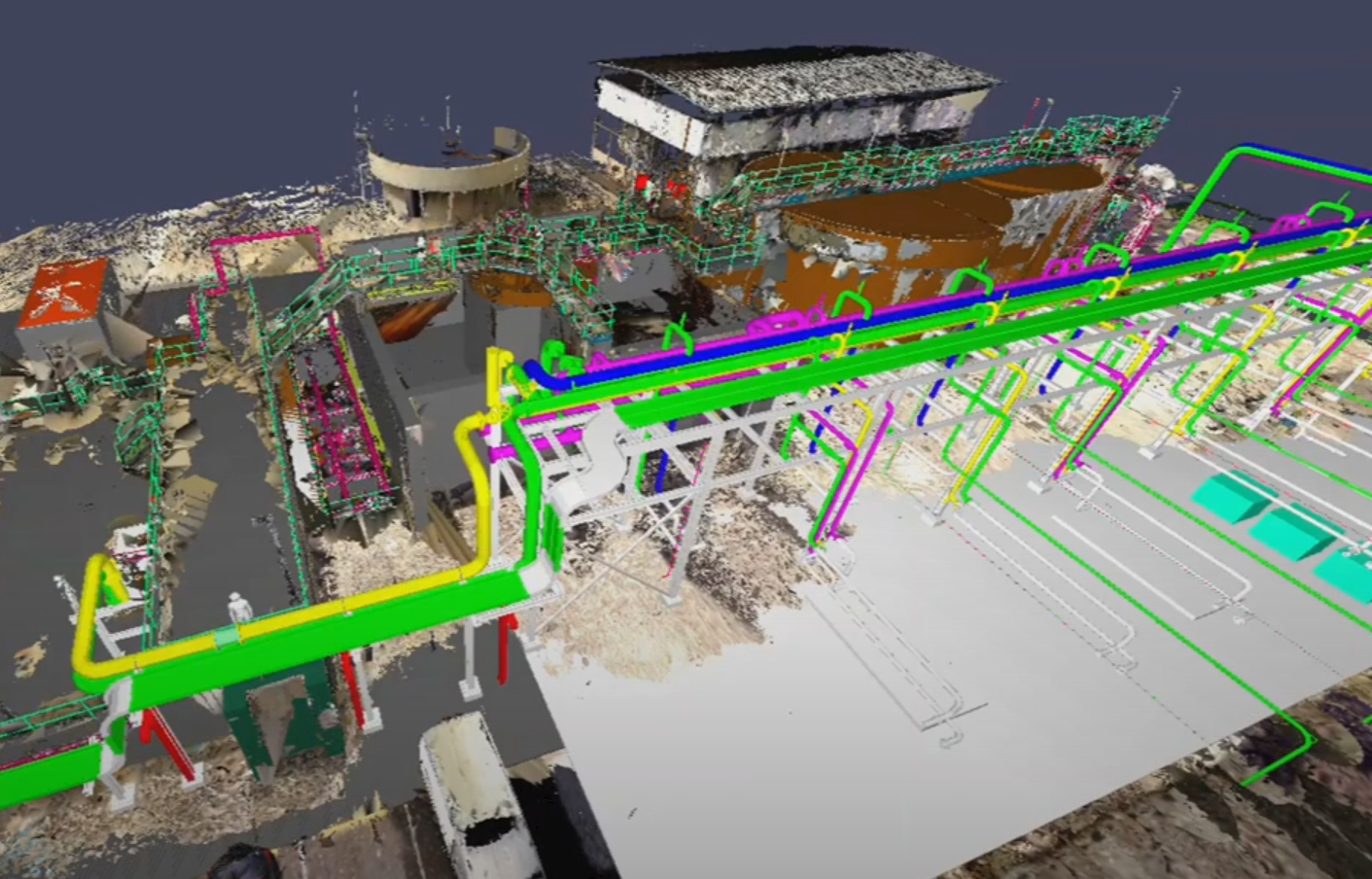
Industrial facilities are complex, layered environments built over decades.
Utilities are rerouted. Equipment is replaced. Structural modifications are undocumented. Over time, legacy drawings stop reflecting reality.
Industrial 3D laser scanning and modeling transforms physical facilities into accurate digital representations that support capital planning, shutdown execution, and long-term operational strategy.
If you’re unfamiliar with how scanning works in industrial environments, start with our overview of industrial 3D laser scanning services.
This article explains how 3D scanning and modeling work together in industrial environments — and why both are necessary for reliable results.
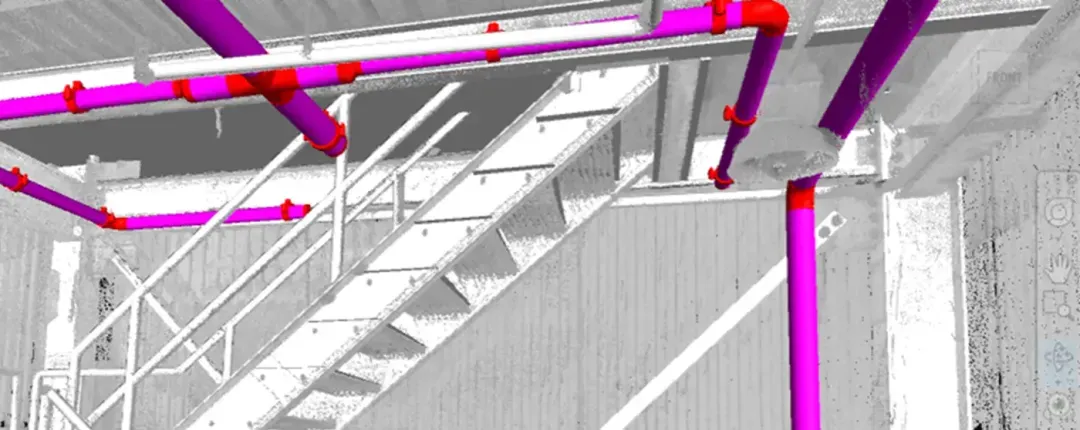
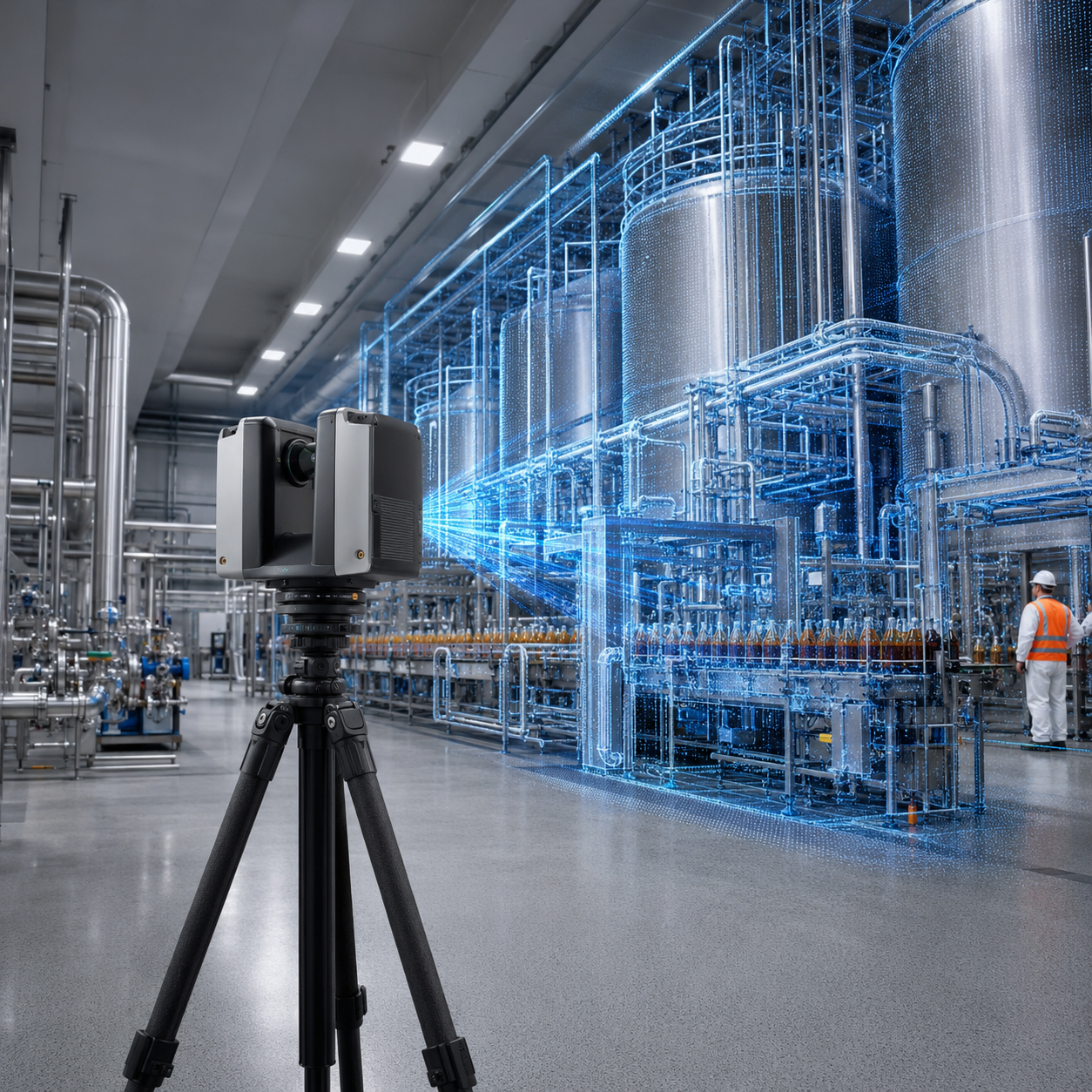
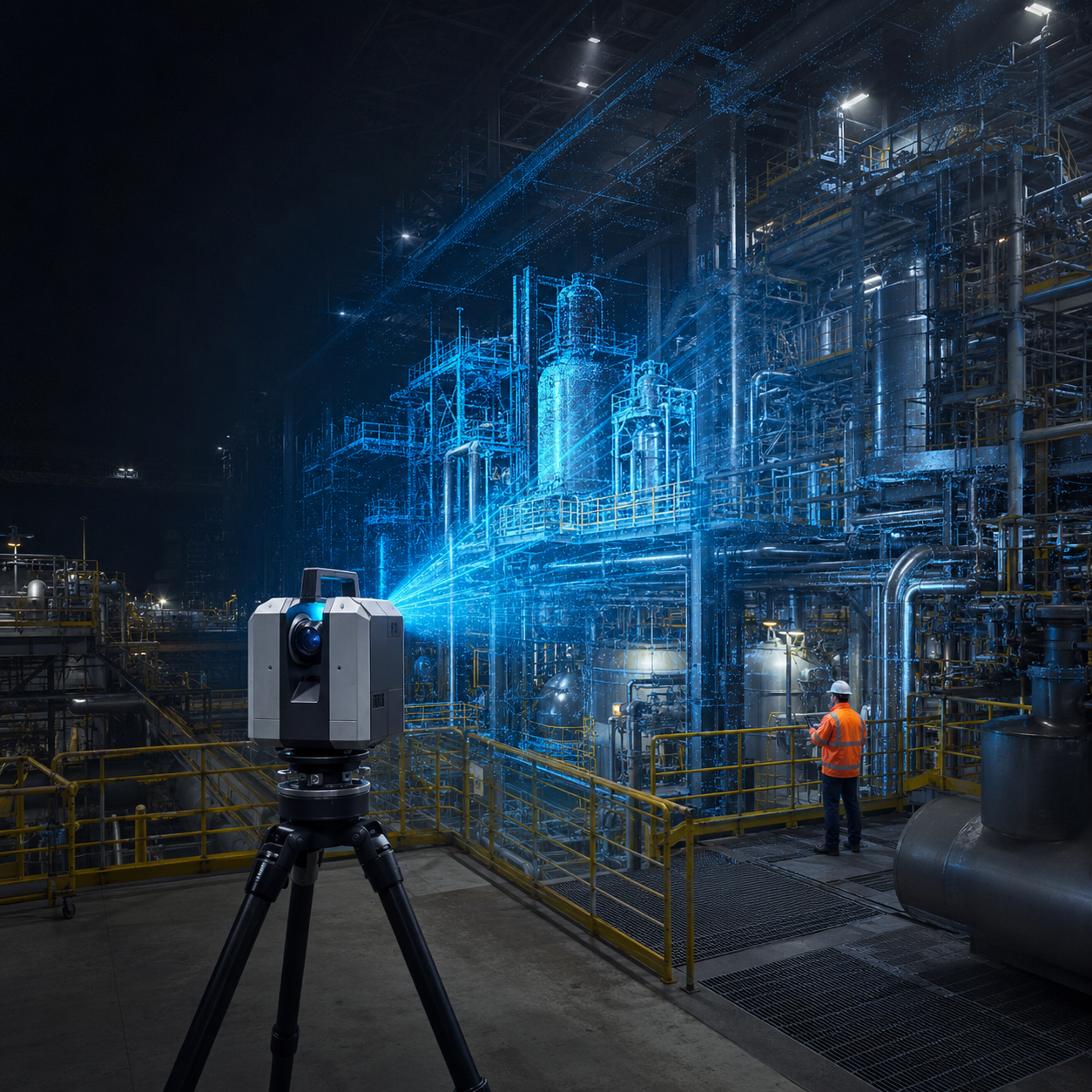
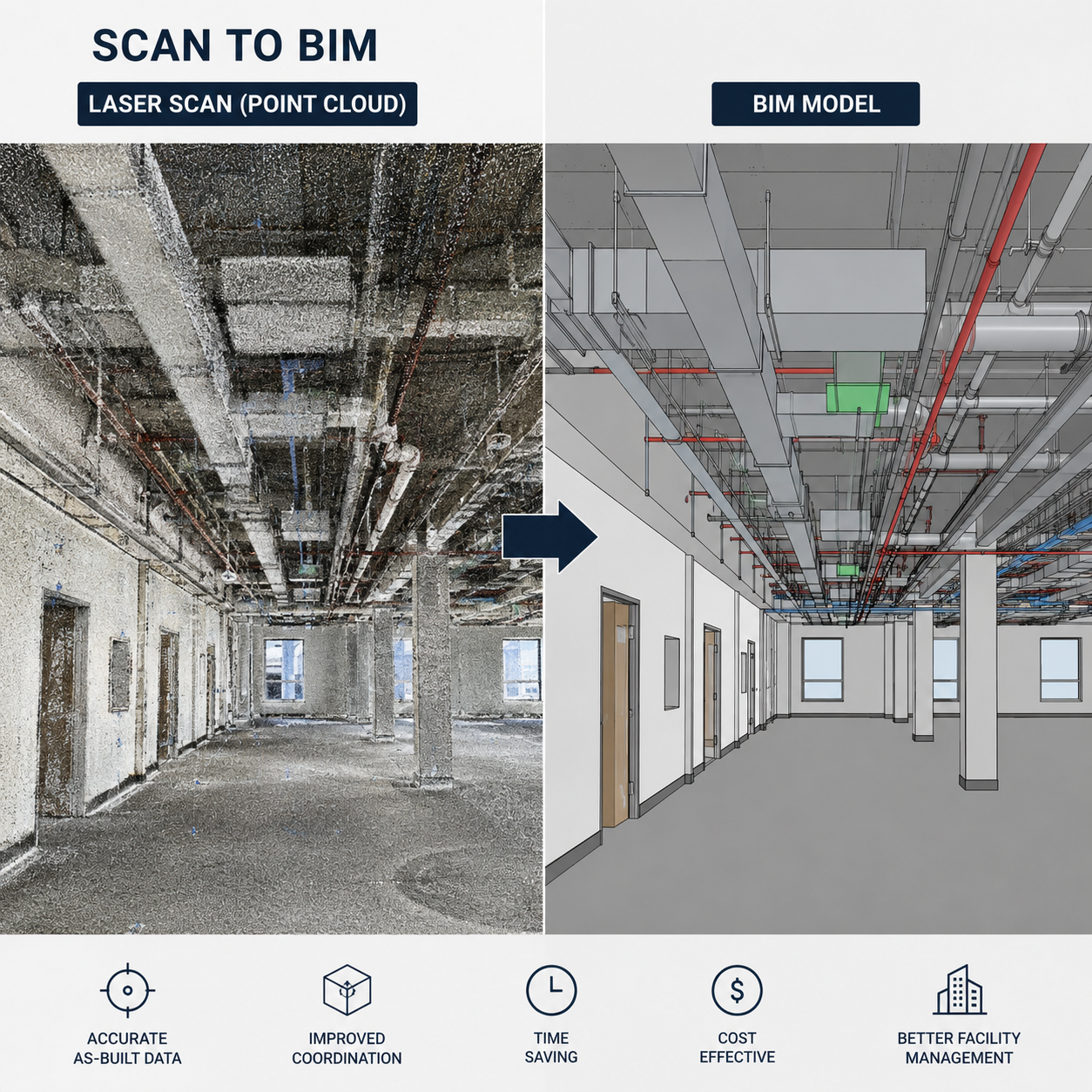
Industrial 3D laser scanning captures millions of spatial data points using terrestrial LiDAR technology. The output is a point cloud — a high-density digital record of existing conditions.
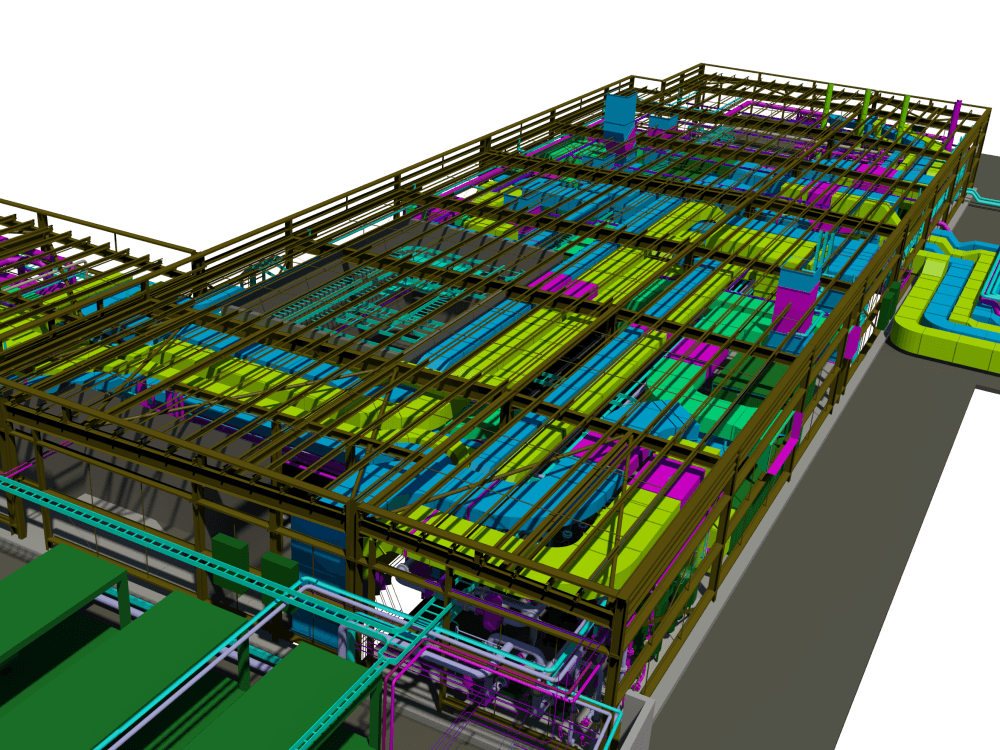
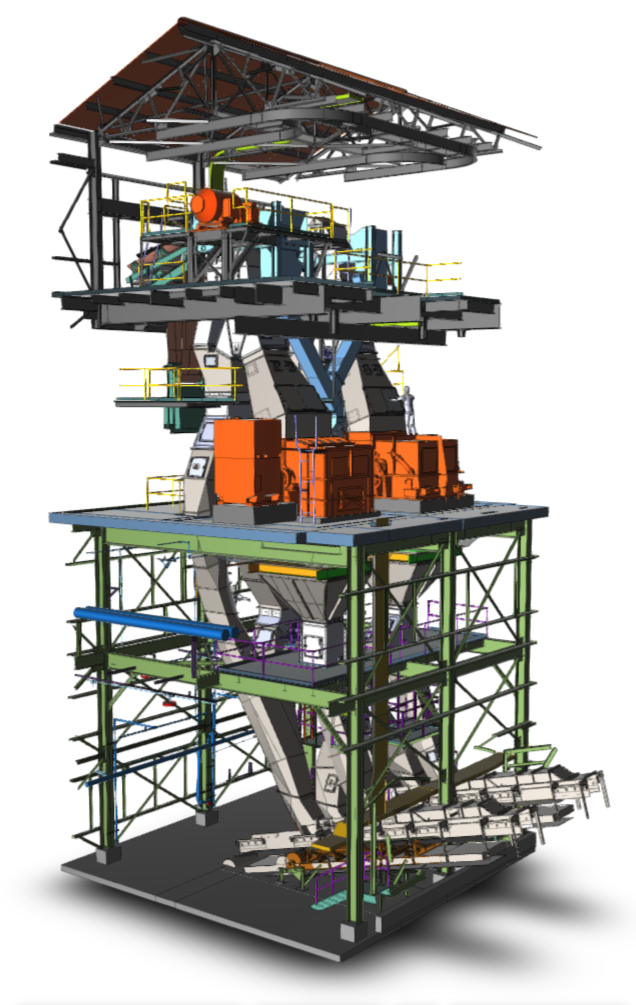
Modeling converts that raw data into structured, usable formats such as:
Scanning captures reality.
Modeling organizes it for decision-making.
Without modeling, raw scan data often remains underutilized.
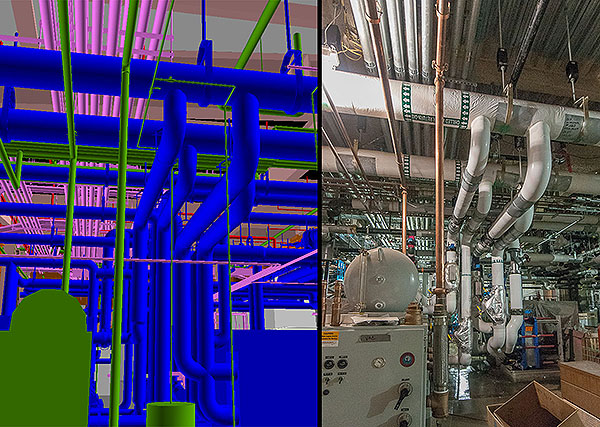
Point clouds are precise but complex.
Industrial leaders need structured outputs that allow teams to:
Modeling turns millions of data points into engineering-ready intelligence.
In high-output plants, this reduces field uncertainty during execution — particularly during plant shutdown planning initiatives.
A disciplined industrial scanning and modeling process includes:
Registration accuracy is critical. Misaligned datasets can compromise dimensional reliability and lead to rework.
Industrial-grade providers implement control strategies to prevent cumulative error across large facilities. Learn more about how accuracy impacts outcomes in our article on 3D laser scanning for manufacturing plants.
Validate spatial constraints before new equipment arrives. Modeling supports integration planning and structural verification, especially during brownfield expansion planning.
Capture undocumented utility layers and convert them into structured documentation for phased upgrades.
Confirm foundation alignment, overhead clearance, and tie-in points before fabrication.
Model congestion areas to pre-plan installation sequencing and minimize downtime extensions.
Create consistent facility documentation across plants to improve capital forecasting and replication strategies.
Accuracy depends on:
Professional industrial 3D laser scanning typically achieves millimeter-level precision when properly executed.
If you’re evaluating providers, review our guidance on selecting an industrial 3D scanning company.
Model accuracy must be validated before engineering relies on it.
Costs vary based on:
Industrial leaders typically evaluate cost relative to:
When downtime costs exceed $50,000 per hour, preventing a single disruption often justifies the investment. See our ROI breakdown on industrial laser scanning.
Low-cost providers may capture scans but limit modeling scope or registration rigor.
Common risks include:
In industrial environments, returning to rescan can require new safety approvals and disrupt production schedules.
Structured modeling and QA processes protect data integrity.
Evaluate providers based on:
Industrial 3D scanning and modeling requires operational discipline, not just technical capability.
If you are planning a capital project, you can schedule an industrial scanning consultation to evaluate scope and documentation requirements before engineering begins.
As manufacturing facilities modernize, accurate spatial documentation supports:
Industrial 3D laser scanning and modeling create a verified digital foundation that reduces uncertainty across engineering and operations.
In manufacturing environments, assumptions create risk.
Industrial 3D laser scanning and modeling replace assumptions with verified conditions.
For plants planning expansions, shutdowns, or major upgrades, accurate digital facility documentation improves predictability, protects production schedules, and strengthens capital execution.
Each project represents our commitment to accuracy and technical excellence

Talk with our team about your facility, scope, and objectives to determine the right capture, modeling, and analysis approach.