Construction without proper coordination often resembles the Wild West: chaotic, unpredictable, and reliant on quick fixes. Teams arrive with drawings, 3D models, expertise, and strong opinions, pushing projects forward through sheer determination and on-the-spot improvisation. This grit can sometimes get the job done, but more often, it leads to costly delays and frustrations.
If you've spent time in the industry, you've likely witnessed these common pitfalls:
These issues aren't due to incompetence—they stem from coordinating too late, after construction has begun. According to industry reports, rework alone accounts for 5-20% of total project costs, with averages clustering around 10-12%. That's the Wild West in action.
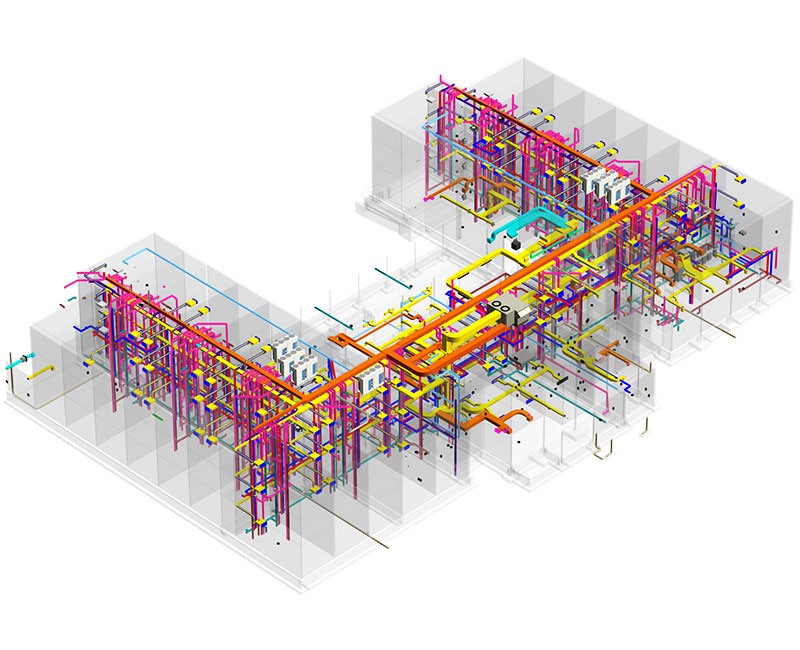
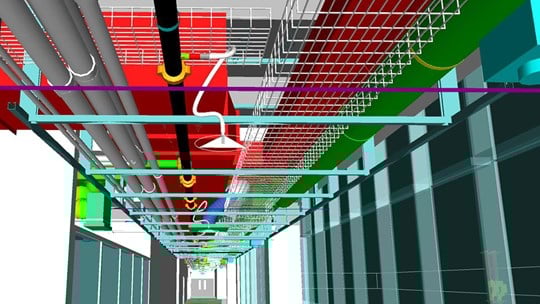
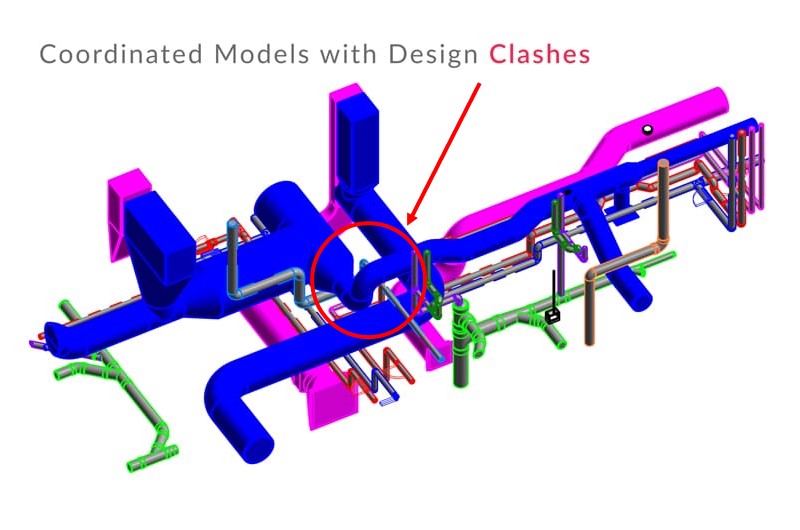
Enter Building Information Modeling (BIM) and Virtual Design and Construction (VDC). When integrated effectively, these tools tame the chaos by enabling proactive planning, clash detection, and seamless collaboration. BIM creates detailed digital representations of buildings, while VDC extends this to simulate workflows, timelines, and costs—transforming reactive projects into controlled, efficient operations.
For decades, the construction industry has defaulted to resolving design gaps in the field. Even as digital tools advanced, the mindset of "we'll figure it out onsite" lingered. This approach worked for simpler projects, but as builds grew more complex—with denser MEP systems, stricter tolerances, and accelerated schedules—it became unsustainable.
Today, despite widespread BIM availability, many projects remain disorganized. In the US, BIM adoption is strong among large firms—over 70% of major contractors and architects use it on a significant portion of projects, with usage rates reaching 72-80% in large-scale infrastructure and commercial work—but contractor engagement often lags behind architects and engineers, and full proactive coordination (beyond basic modeling) is not yet universal. The US BIM market was valued at around USD 3.90 billion in 2025 and is projected to grow at a CAGR of 12.1% through 2035, driven by infrastructure demands, federal mandates for public projects, and the push for efficiency and safety. Yet, resistance persists because teams overload the field with data, hoping it compensates for poor upfront planning.
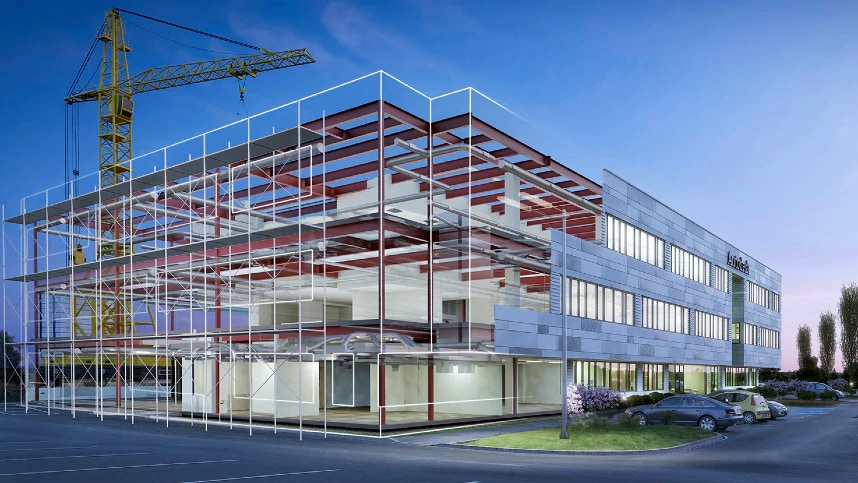
The key distinction between chaotic and streamlined projects isn't just the software—it's the timing. Proactive BIM and VDC coordination resolves issues pre-construction, yielding substantial savings. Studies show BIM-driven projects achieve 5-10% cost reductions, with some saving over $20 million through reduced rework and optimized prefabrication. Schedules can shrink by up to 50%, and rework drops by 30% via accurate reality capture like laser scanning.
On high-performing BIM/VDC projects:
In contrast, poorly coordinated jobs normalize rework, treat RFIs as routine, and rely on experience over data—exacerbating costs. Dodge Data & Analytics reports that 61% of BIM users see reduced project errors, 55% experience faster communication, and 82% achieve a positive ROI. VDC amplifies this by adding 4D (time) and 5D (cost) dimensions for predictive insights.
👉 Learn more about AsBuilt's BIM Coordination and VDC services
Not all projects are equal. Greenfield (new builds) and brownfield (renovations) demand adaptive approaches, and forcing a one-size-fits-all workflow is a common pitfall.
Greenfield risks include:
Brownfield challenges involve:
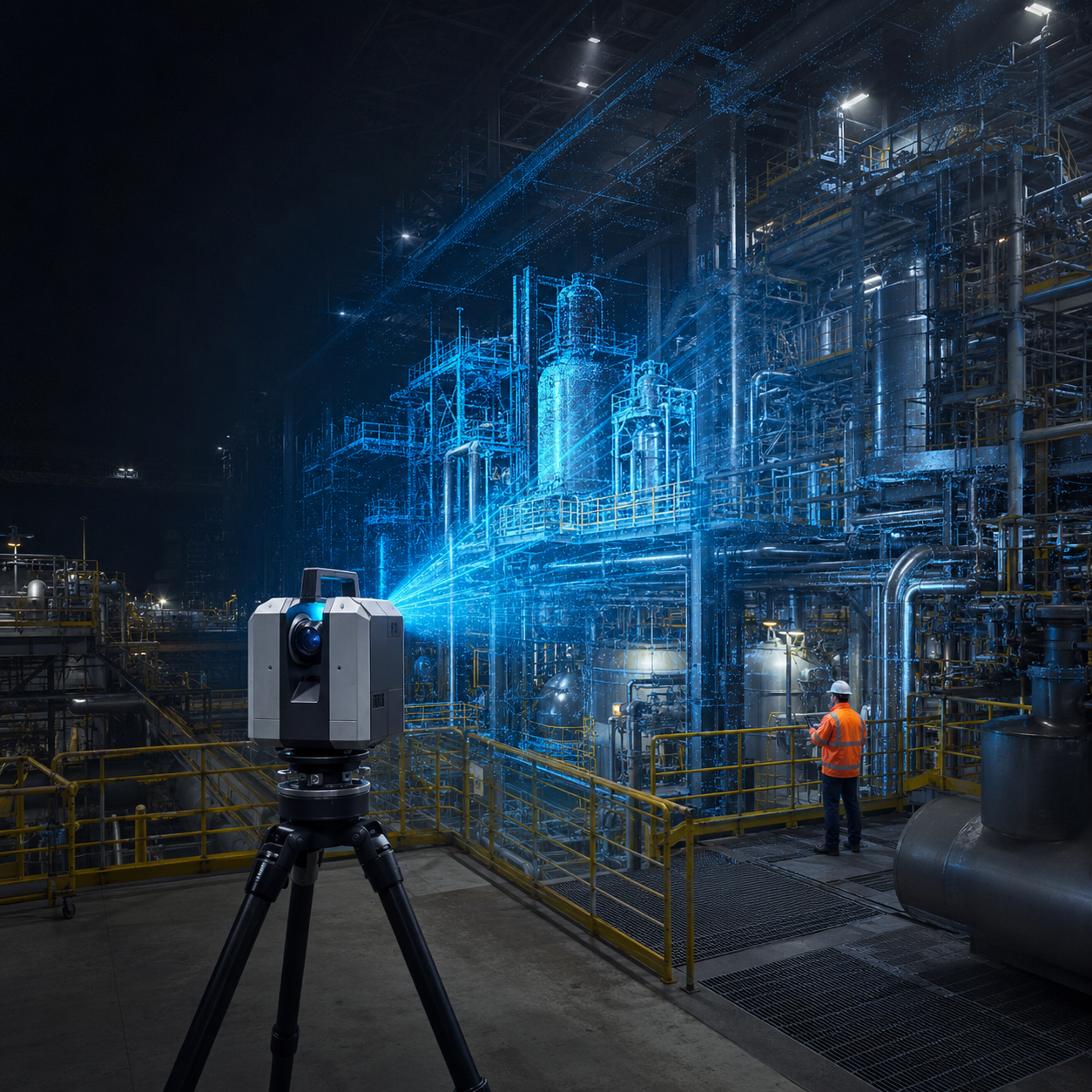
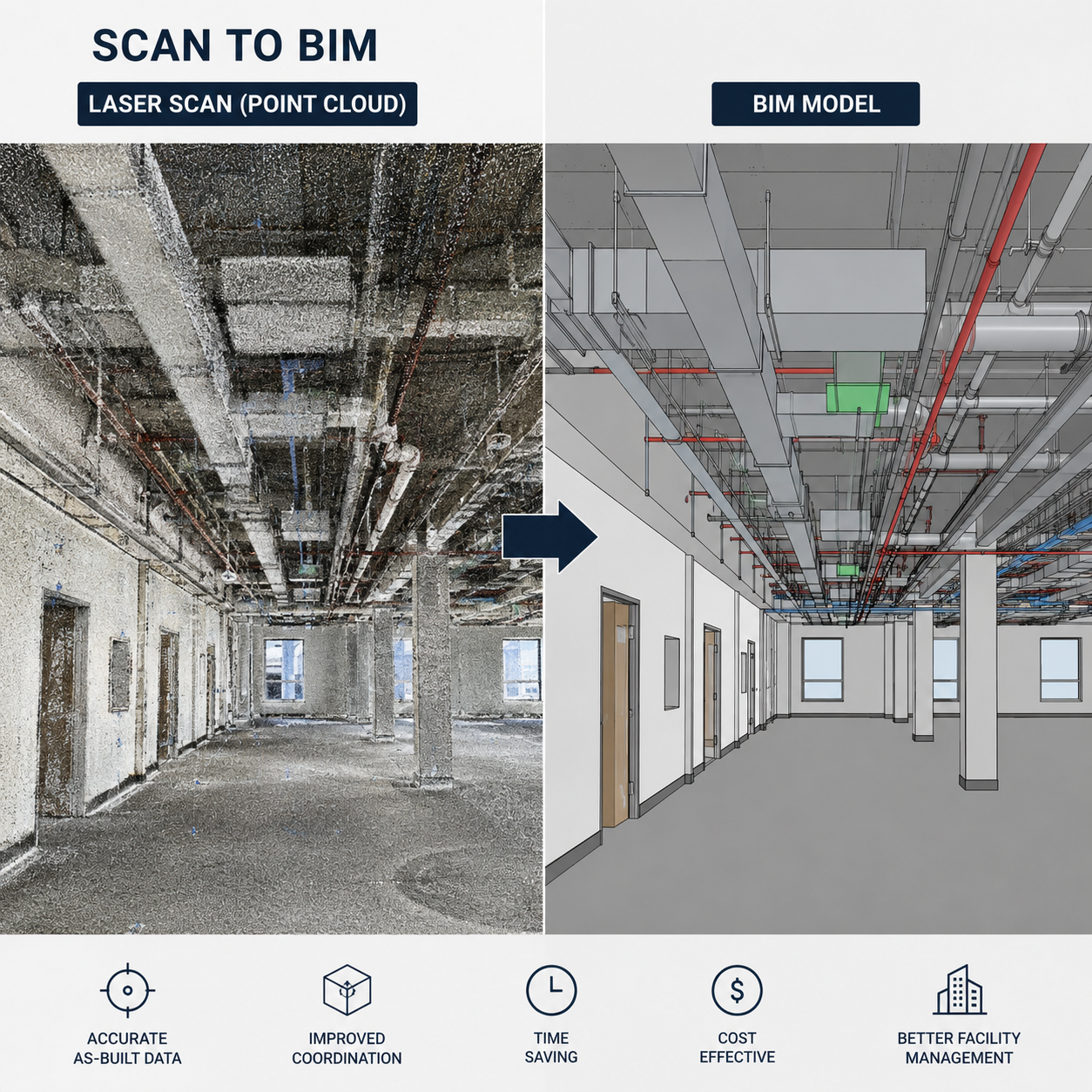
Effective BIM coordination customizes to the project: Use LiDAR scanning for brownfield accuracy, and VDC simulations for greenfield optimization. A 2025 Autodesk and FMI report notes that firms with high BIM maturity enjoy 3x better predictability, reducing overruns that plague 30% of projects by 10% or more.
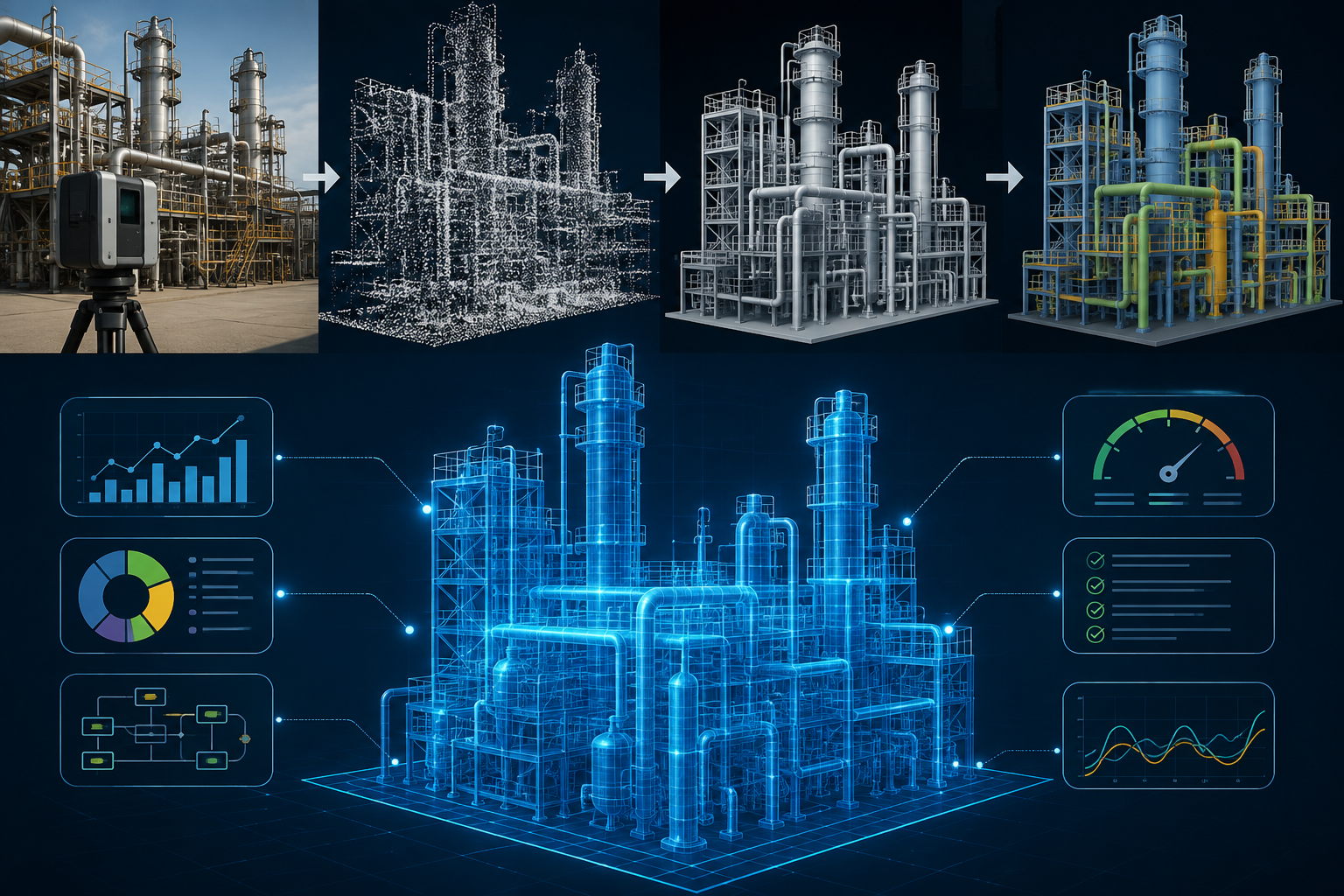
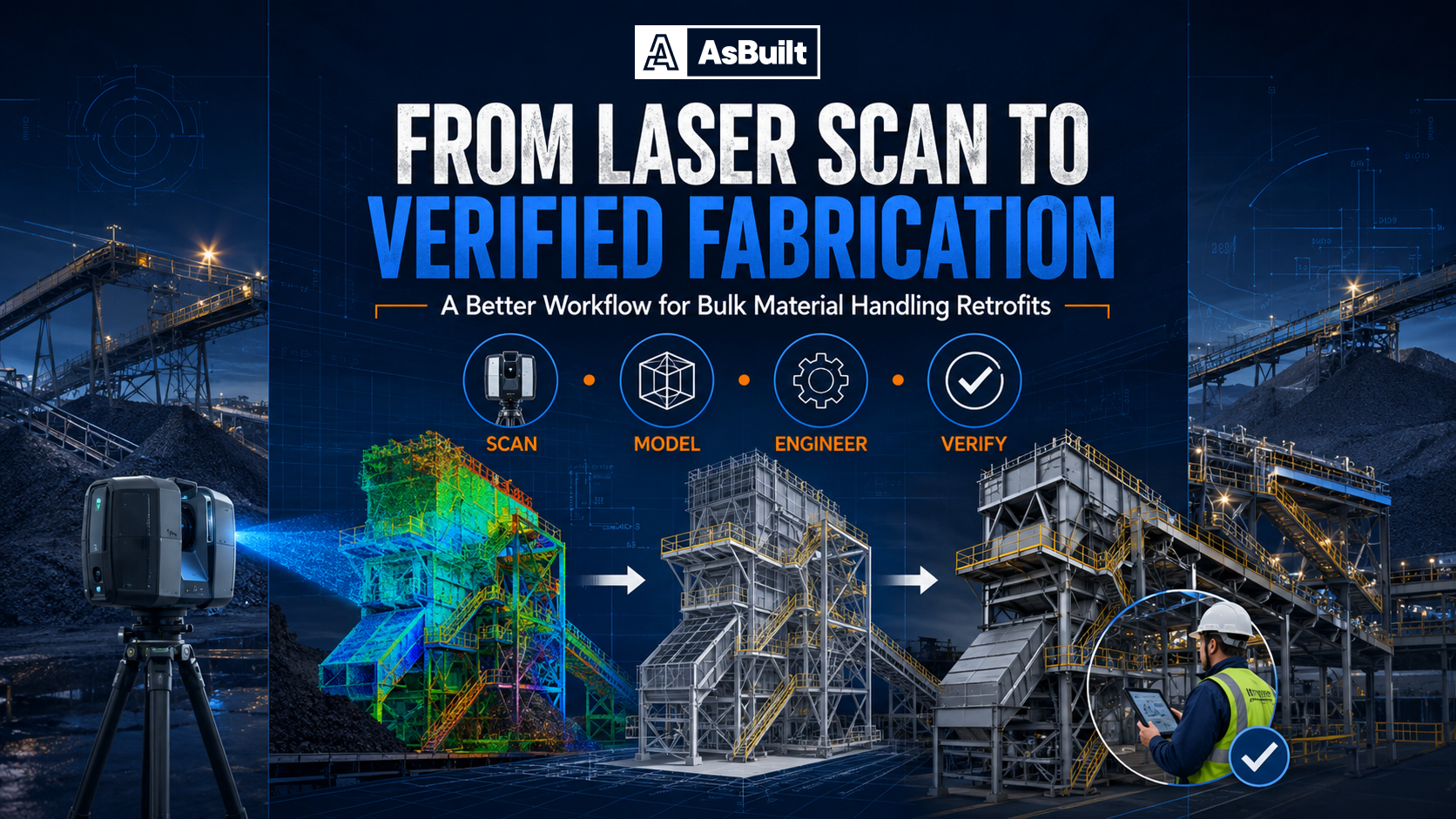
👉 3D laser scanning for accruate as-builts
Well-executed coordination isn't glamorous—it's efficient and "boring" in the best way. It manifests as:
The aim? Eliminate work-stopping clashes, not every minor issue. On a $230 million food processing project, VDC clash detection delivered $2.55 million in savings, a 10x ROI on a $200,000 investment—by avoiding rework and trimming the schedule by a month. When done right, teams focus on building, not BIM discussions.
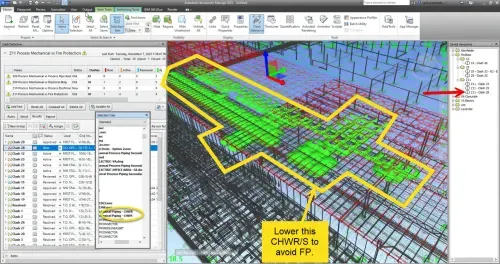
Deep coordination feels like extra upfront work, demands early commitments, and uncovers issues sooner than comfortable. But delaying doesn't eliminate problems—it amplifies them. Rework costs the U.S. industry billions annually, including $11.5 billion in injuries alone.
Adoption is rising: In the US, firms with high BIM maturity achieve 3x better project predictability and cost control, while 68% of construction leaders see digital tools (including BIM/VDC advancements) enhancing efficiency. Early discomfort pays off—BIM reduces material waste (up to 40% through reduced rework) and enhances safety by identifying hazards in advance.
As we enter 2026, BIM and VDC are evolving with cutting-edge integrations. Key trends include:
Case in point: On a Penn State medical center project, BIM prefabrication cut schedules by 20% and labor by 30%. In data centers, VDC prevented costly underground utility clashes, saving time and rework.
Escaping the Wild West doesn't mean losing flexibility or expertise—it means deploying them strategically early. BIM coordinated via VDC prioritizes intent: before fabrication, installation, and mobilization.
Once experienced, this approach is transformative. Ready to shift from reactive to proactive?
👉 Talk with an AsBuilt3D specialist: Contact Us
👉 Explore industry-specific solutions: See our work

Each project represents our commitment to accuracy and technical excellence

Talk with our team about your facility, scope, and objectives to determine the right capture, modeling, and analysis approach.