
Scan-based analysis and verification
Turn captured reality into measurable answers you can act on.
High-accuracy analysis performed directly on laser scan data to verify fit, identify conflicts, validate deviations, and support confident decisions before work begins.

What scan-based analysis provides
Scan-based analysis applies engineering review and verification directly to field-captured point cloud data—allowing teams to evaluate existing conditions, proposed changes, and construction accuracy with measurable confidence.
Instead of relying on assumptions, redlines, or legacy drawings, analysis is performed against the actual built environment. This enables earlier risk identification, clearer decision-making, and fewer downstream surprises.
When scan-based analysis is the right approach
Scan-based analysis is most valuable when teams need objective validation of fit, clearance, or construction accuracy within complex or constrained environments. By analyzing real-world conditions digitally, teams can resolve issues before they impact schedule or cost.
Verify equipment fit and spatial clearances before installation
Identify clashes and conflicts in retrofit or expansion projects
Measure deviations between design intent and as-built conditions
Validate construction accuracy for closeout and compliance
Support Management of Change (MOC) decisions with verified data
Deliverables from scan-based analysis and verification
Every analysis engagement produces documented, traceable outputs that support engineering, construction, and operational decisions.
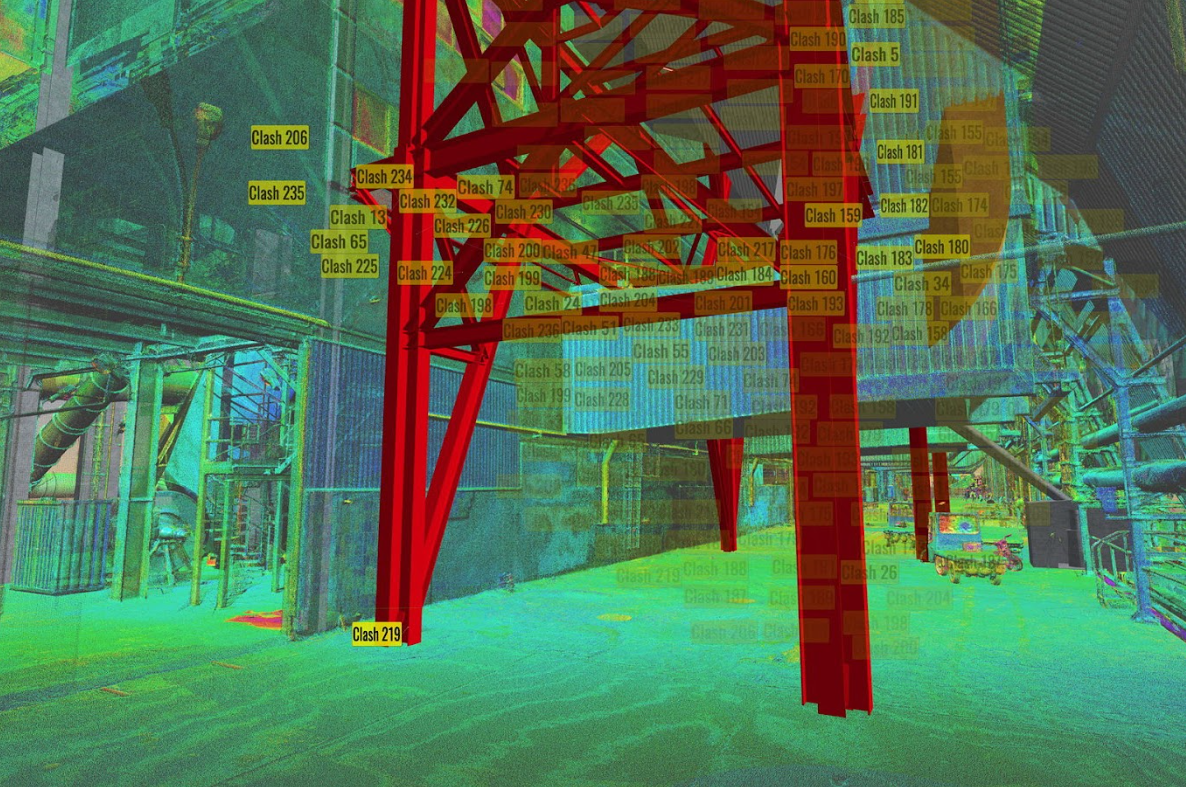
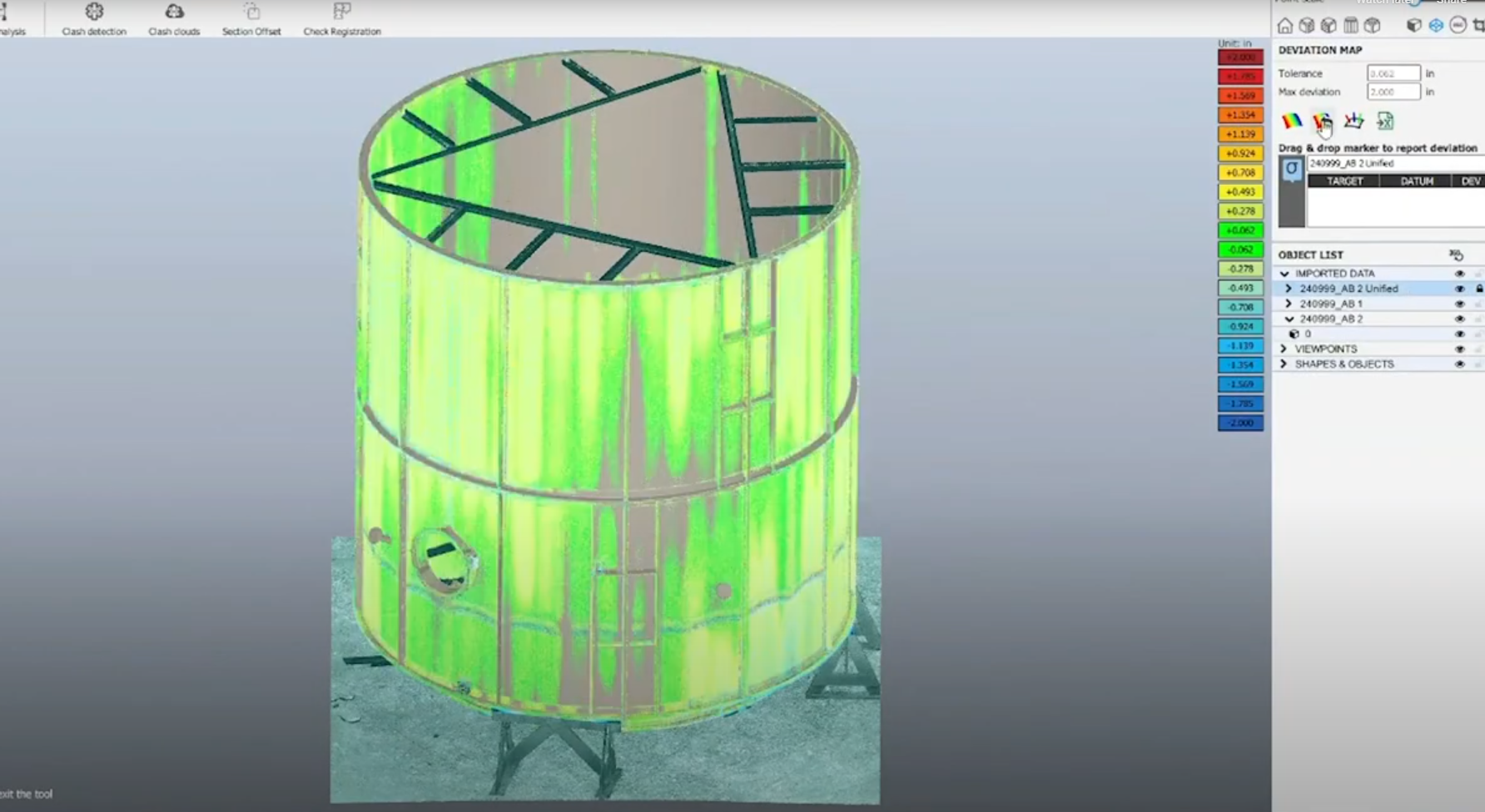
Deviation and variance reports
Measured comparisons between scanned conditions and design models or drawings, highlighting misalignment, movement, or installation variance.
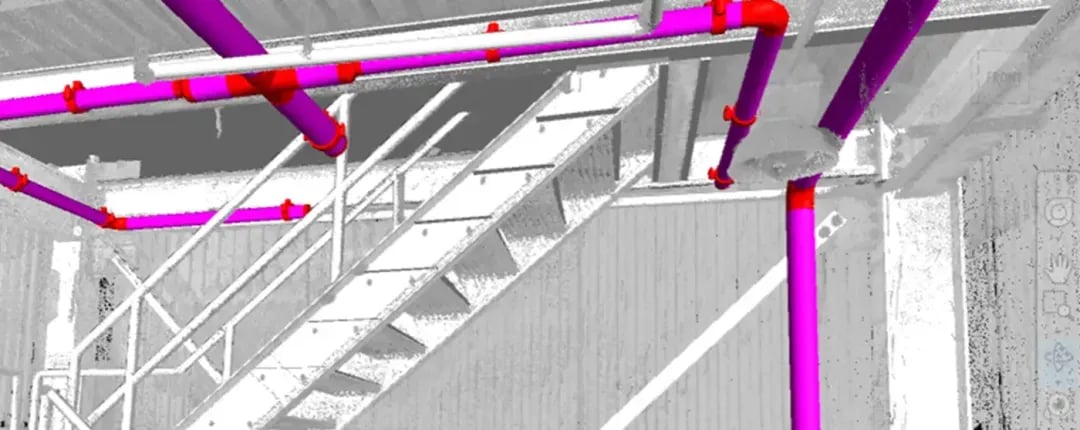
Clearance and fit analysis
Verification of spatial tolerances, access paths, and equipment clearances in constrained or high-risk areas.
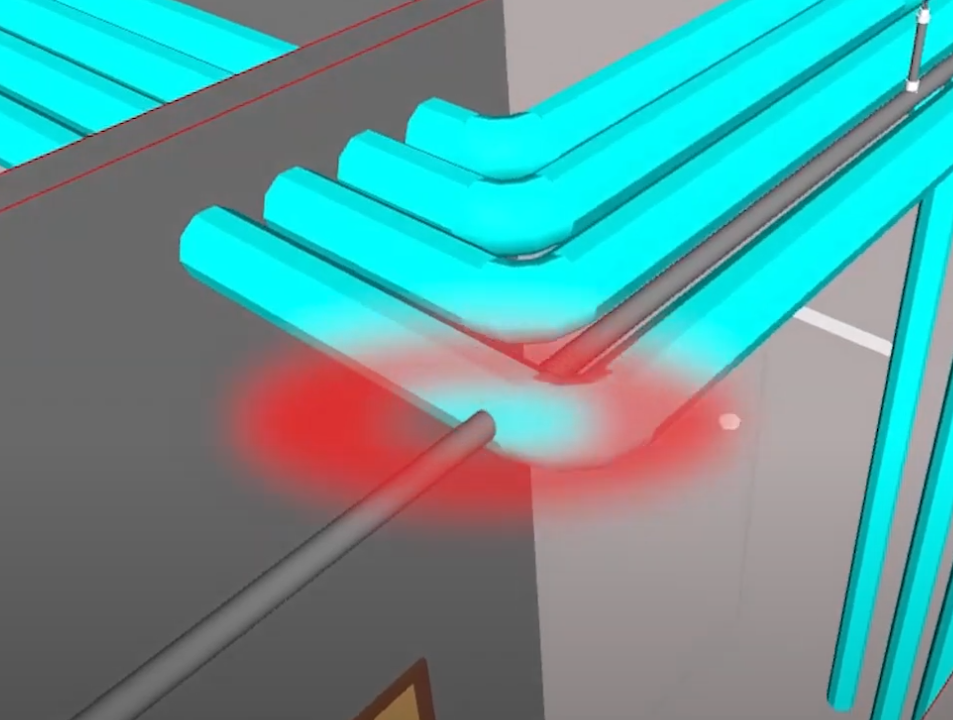
Clash detection results
Identification of conflicts between existing conditions and proposed systems or layouts—prior to fabrication or installation.
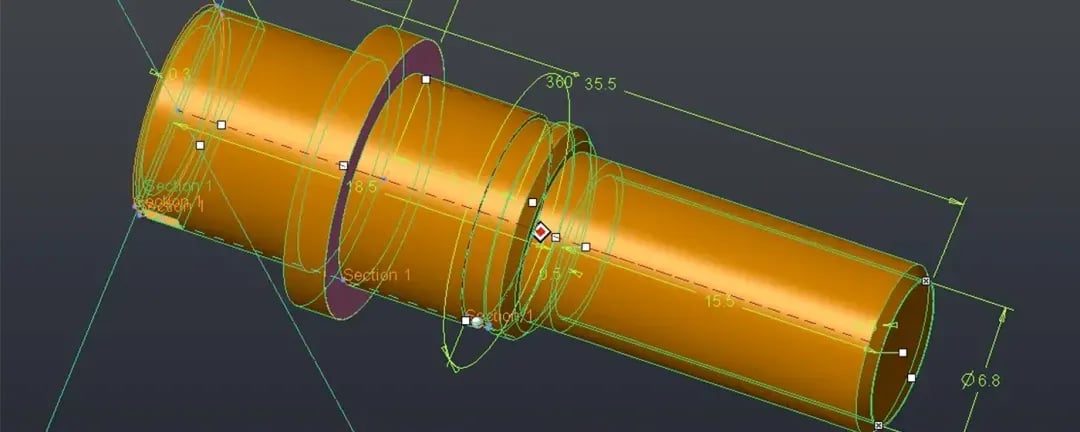
Annotated visual outputs
Marked-up views, sections, and screenshots that clearly communicate findings to stakeholders across disciplines.
Analysis-ready datasets
Point cloud subsets or models prepared specifically for downstream review, coordination, or decision support.
From scan data to verified conclusions
We follow a structured, repeatable process to ensure analysis results are accurate, defensible, and aligned with project goals.
Define analysis objectives
We align on what needs to be verified—fit, clearance, deviation, or coordination—and define acceptance criteria upfront.
Analyze against captured conditions
Our team performs analysis directly on registered scan data and models, ensuring findings reflect real-world conditions—not assumptions.
Review, validate, and document
Results are reviewed for accuracy and consistency, then delivered in clear formats ready for engineering, construction, or compliance workflows.
Outcomes enabled by scan-based verification
Field-verified 3D models reduce uncertainty, improve coordination, and allow teams to plan changes with confidence—before work begins.
Reduce installation risk
Confirm fit and clearances before equipment arrives on site—avoiding costly rework and delays.
Identify issues earlier
Detect conflicts and deviations digitally, where corrections are faster and less disruptive.
Support defensible decisions
Base approvals, changes, and MOC decisions on measurable, field-verified data.
Improve stakeholder alignment
Communicate findings visually and clearly across engineering, construction, and operations teams.
Start with accurate data you can trust
Talk with our team about your facility, scope, and objectives to determine the right capture, modeling, and analysis approach.