
In the high-stakes world of power and utility operations, where unplanned downtime can cost an average of $25,000 per hour, relying on reactive maintenance—fixing equipment only after it fails—is a recipe for inefficiency and escalating expenses. Industry data reveals that the average plant allocates over 55% of its maintenance budget to these reactive strategies, which are not only the most expensive but also disrupt operations and accelerate asset wear. Enter condition-based monitoring (CBM), a predictive approach that shifts the paradigm to proactive care, allowing operators to intervene based on real-time equipment conditions. At AsBuilt, a division of Acensium, we specialize in enhancing CBM through advanced 3D laser scanning and deviation analysis, helping power plants maintain accurate virtual models for ongoing asset health tracking. This blog explores what CBM entails, how our services integrate seamlessly, and the tangible value they deliver—tailored for plant managers and maintenance leaders in the power sector who are ready to optimize reliability and cut costs.
Condition-based monitoring is a predictive maintenance technique that focuses on the actual state of equipment rather than fixed schedules or post-failure repairs. It involves continuously or periodically assessing key indicators of deterioration—such as vibration, temperature, or structural integrity—to predict when maintenance is truly needed. As deterioration approaches a predefined threshold, actions are triggered, enabling precise interventions that extend asset life and minimize disruptions.
Unlike reactive maintenance, which can cost three to five times more than preventive methods due to emergency parts, overtime labor, and lost production, CBM uses data-driven insights to forecast remaining useful life (RUL). For power plants, this means monitoring critical components like turbines, boilers, piping systems, and structural supports in real time. Industry studies show that top-tier plants employing CBM and predictive technologies slash reactive spending to under 10% of their budgets, compared to the 55% average. The result? A more resilient operation where failures are anticipated, not reacted to.
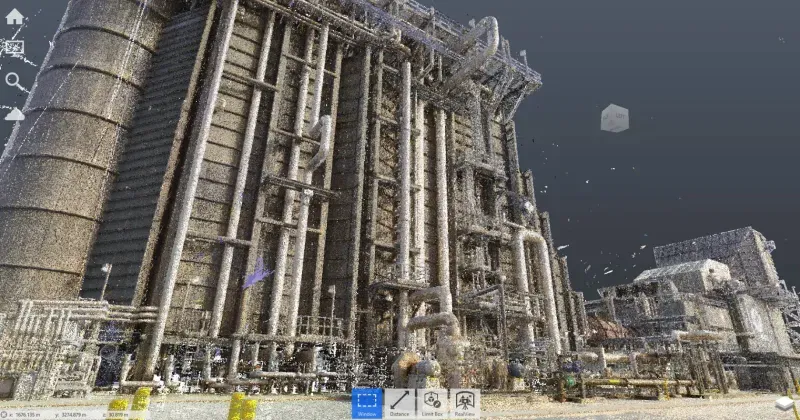
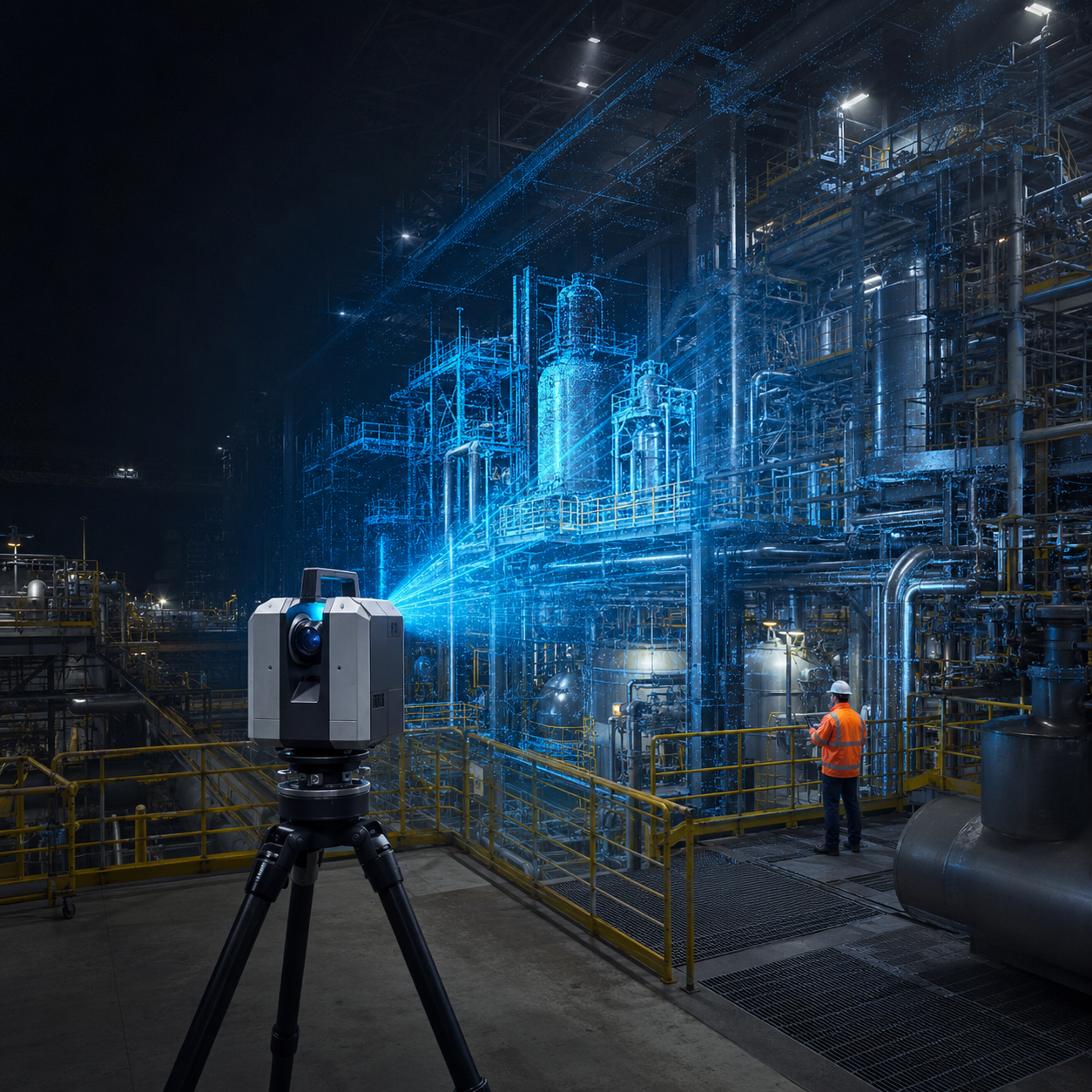
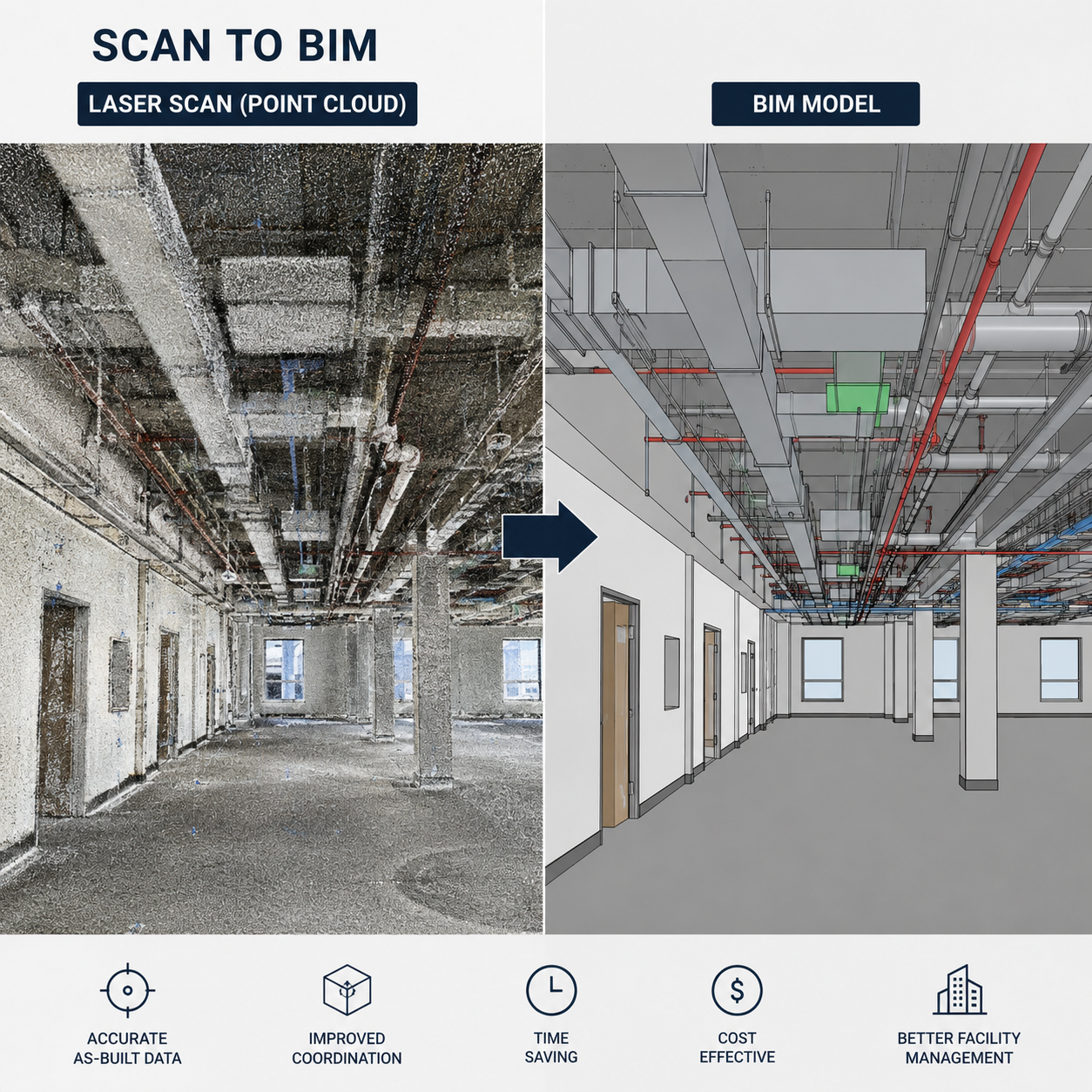
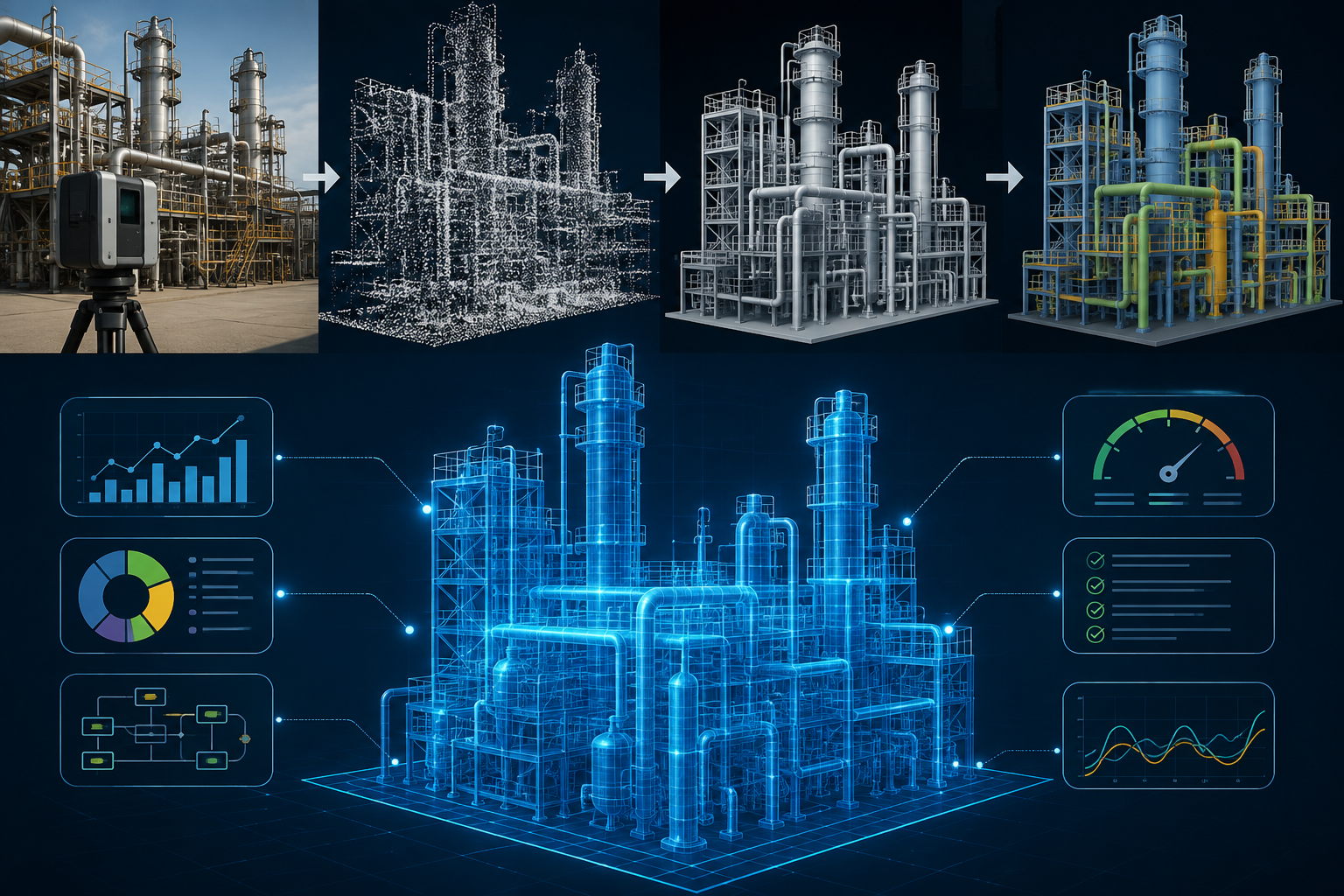
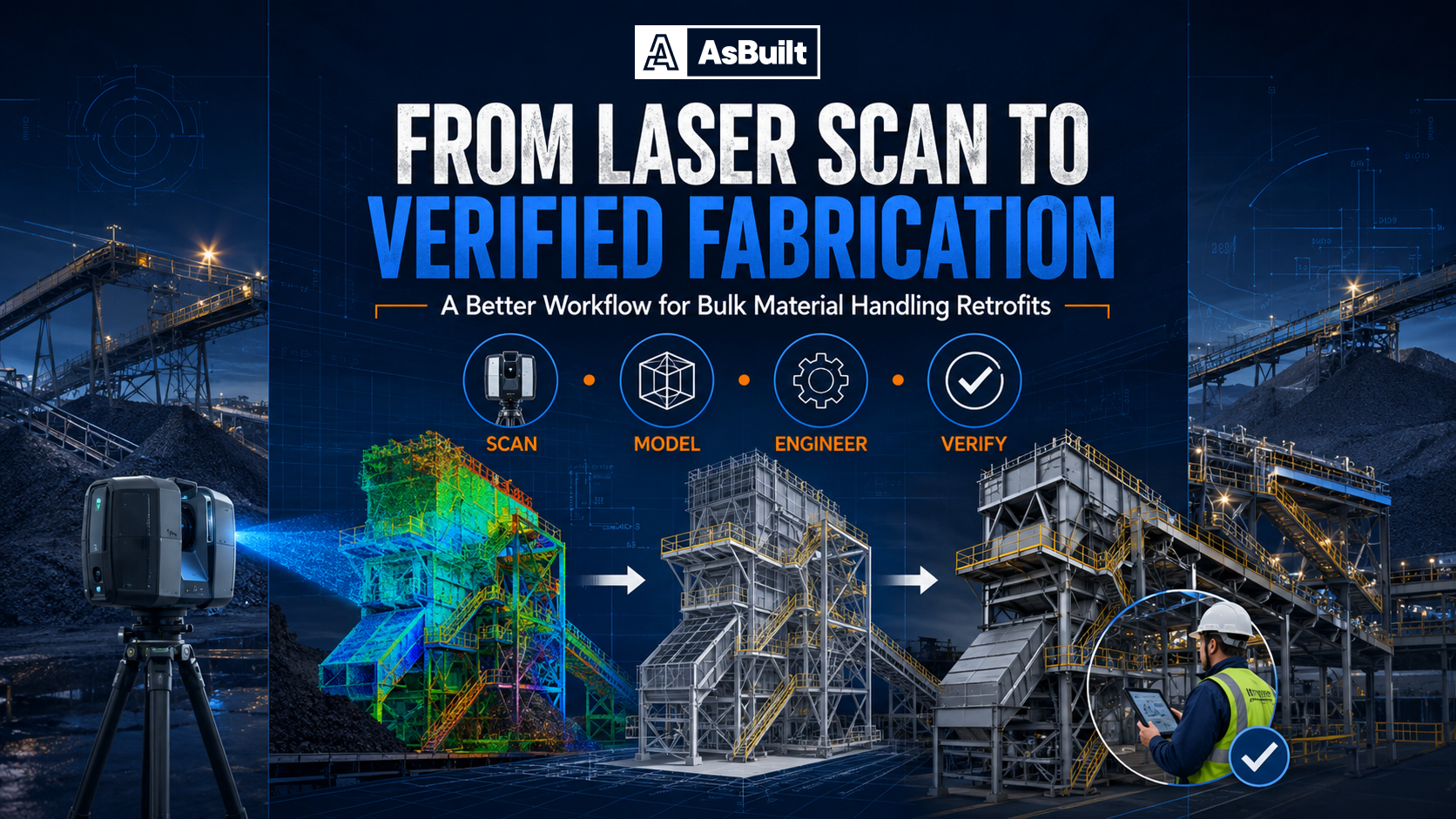
At AsBuilt, we elevate CBM by integrating high-precision 3D laser scanning with deviation analysis to create and maintain dynamic virtual plant models. This process bridges the gap between physical assets and digital insights, providing a geometric layer of monitoring that complements traditional sensors like vibration analyzers or thermography tools.
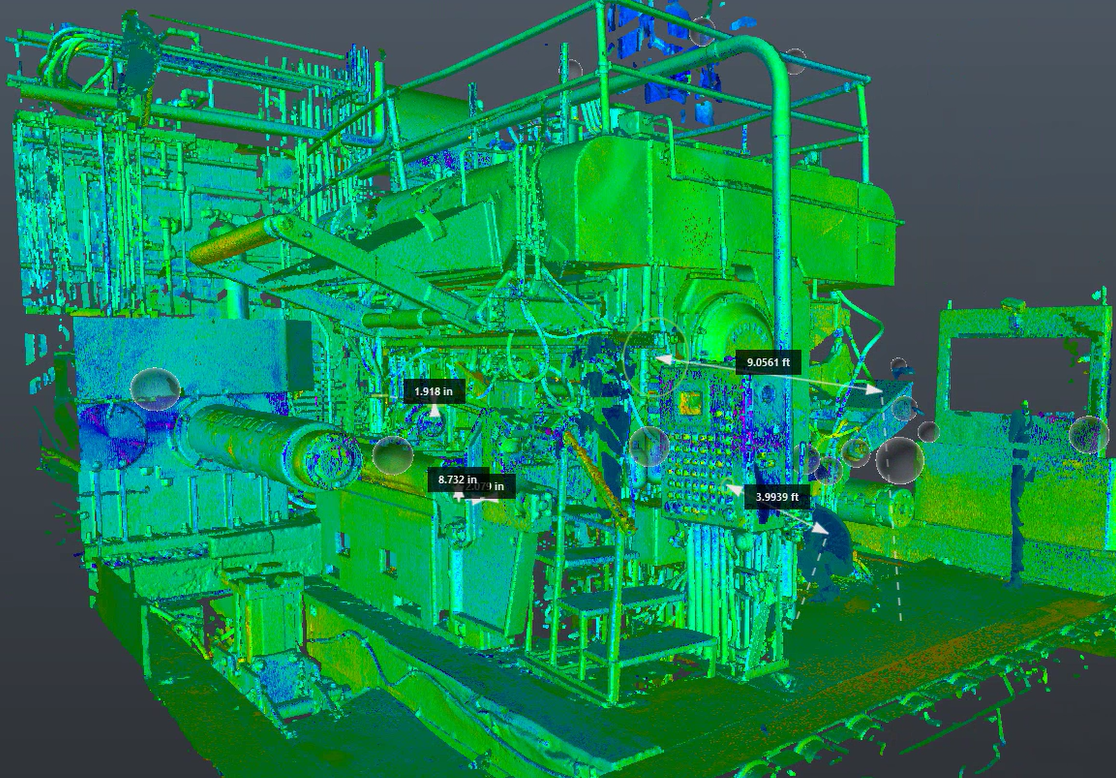
This method outperforms traditional surveys, reducing measurement errors by up to 15% and accelerating data capture for faster decision-making. In industrial settings, it has proven essential for avoiding planning errors in modernizations, where discrepancies between outdated drawings and reality can cause delays.
Implementing CBM with AsBuilt's deviation analysis isn't just innovative—it's a smart investment with measurable returns. Here's the evidence:
These outcomes position CBM as a cornerstone for sustainable power generation, aligning with industry pushes for resilience amid aging assets and regulatory demands.
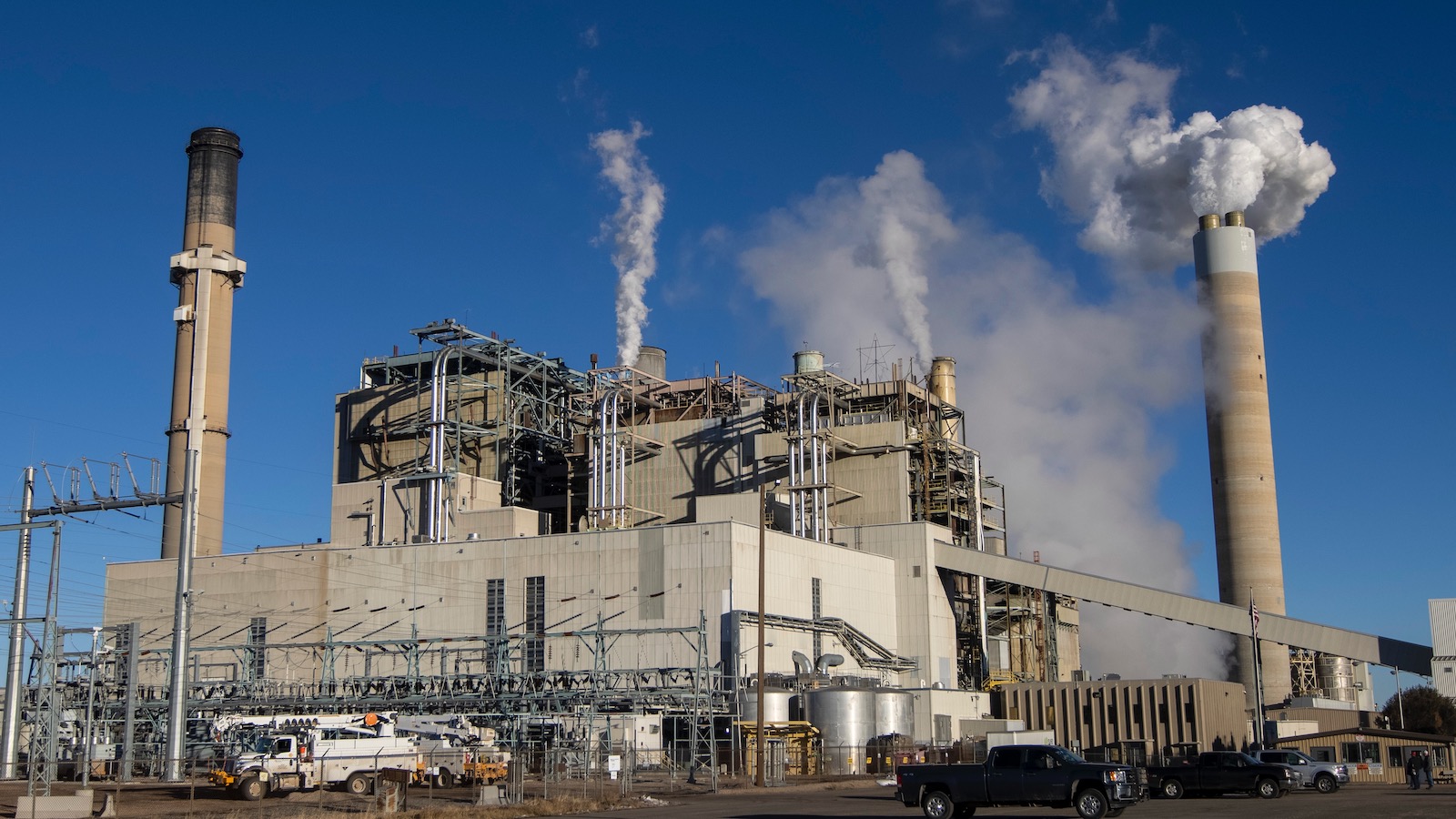
This approach is tailor-made for decision-makers in the power and utility sectors who oversee asset-heavy operations and seek to transition from reactive firefighting to strategic foresight. Specifically:
If you're a forward-thinking leader in these roles, frustrated by incomplete as-builts or escalating costs, AsBuilt's expertise—honed over 20 years at Acensium—delivers the tools to thrive.
Condition-based monitoring, powered by 3D deviation analysis, isn't a luxury—it's essential for competitive, reliable power operations. At AsBuilt, we've captured trillions of scan points across demanding industrial environments to help clients like you reduce risks and unlock efficiencies. Contact us today to discuss how we can scan, model, and analyze your plant for a customized CBM strategy. Let's turn your assets into a predictive powerhouse.
Each project represents our commitment to accuracy and technical excellence

Talk with our team about your facility, scope, and objectives to determine the right capture, modeling, and analysis approach.