
Engineering firms are under constant pressure to move faster, reduce risk, and deliver designs that work the first time. Yet many projects still begin with incomplete or unreliable information about existing conditions.
That gap between design intent and reality is where projects lose time, money, and trust.
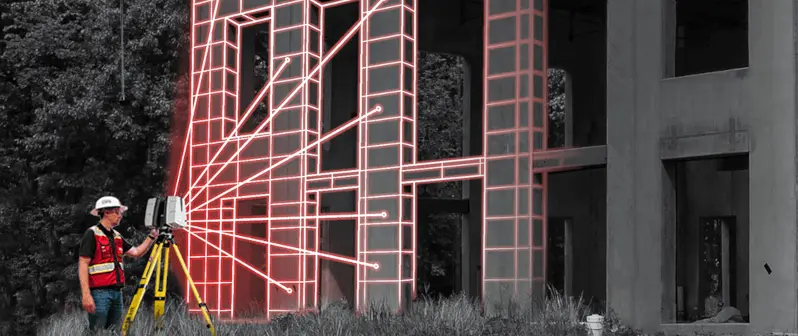
3D reality capture changes the starting point.
Engineering teams are often forced to rely on a mix of legacy drawings, partial field verification, and assumptions about site conditions. In complex facilities, especially brownfield environments, this approach introduces uncertainty from day one.
Small inaccuracies compound quickly. Misaligned interfaces, incorrect elevations, and unverified clearances don’t just create coordination issues. They force redesign, disrupt schedules, and strain client relationships.
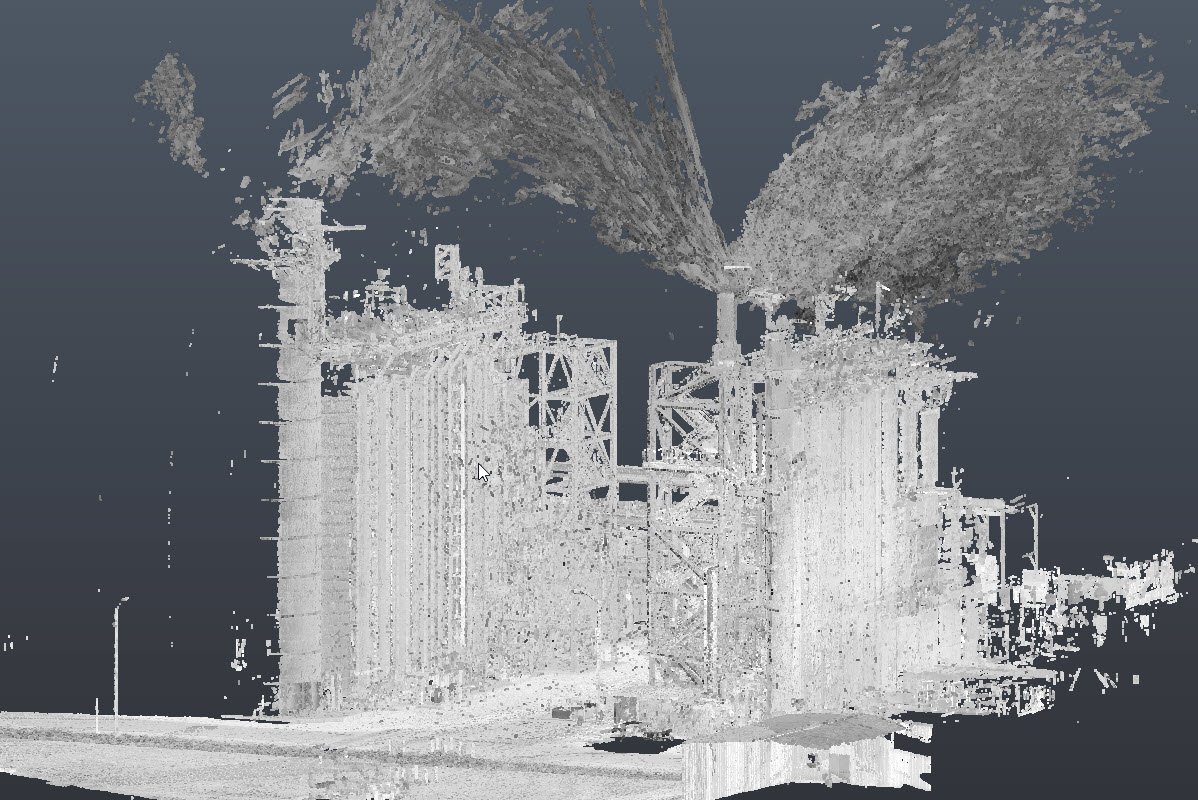
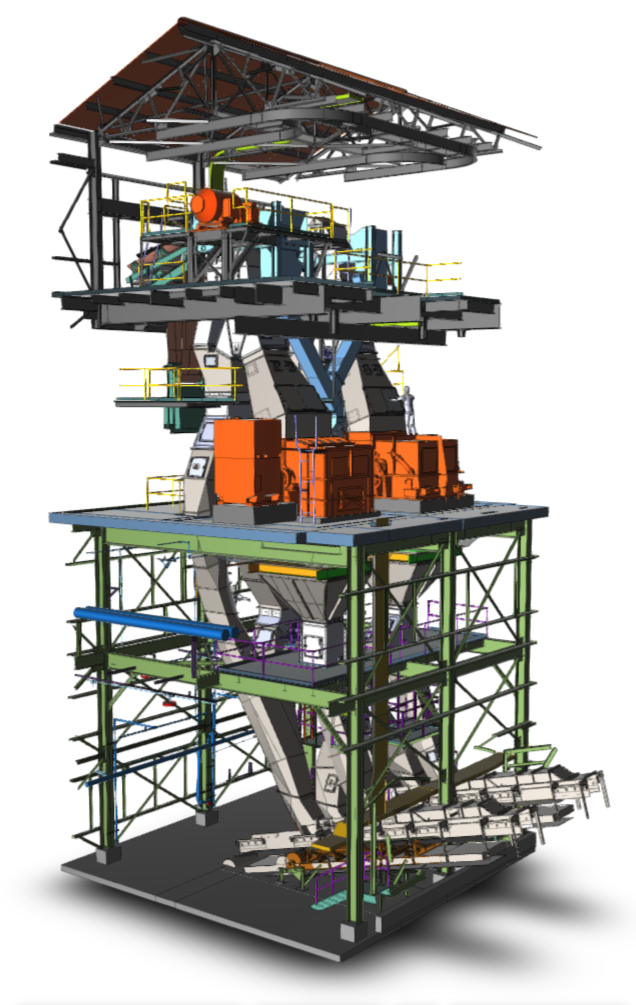
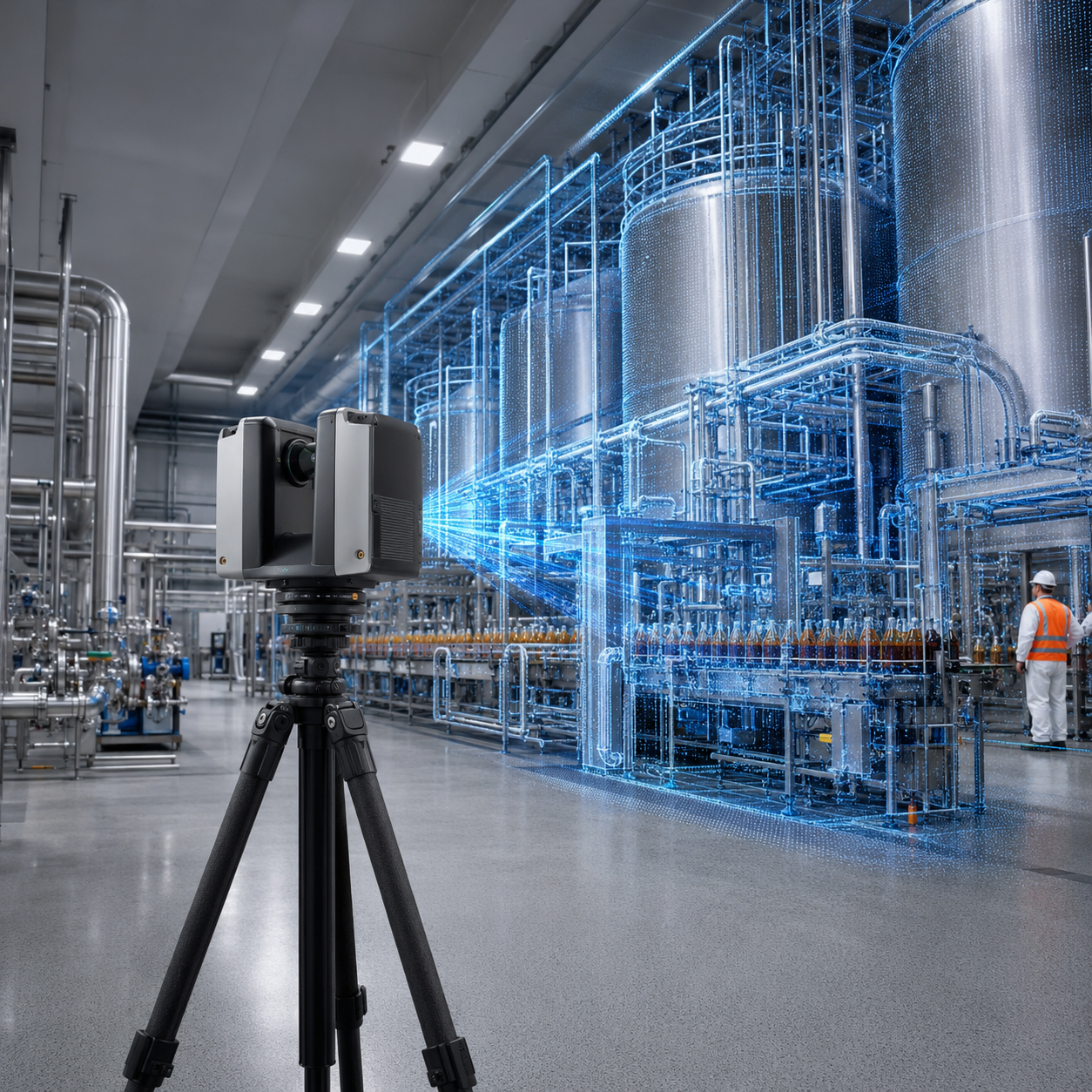
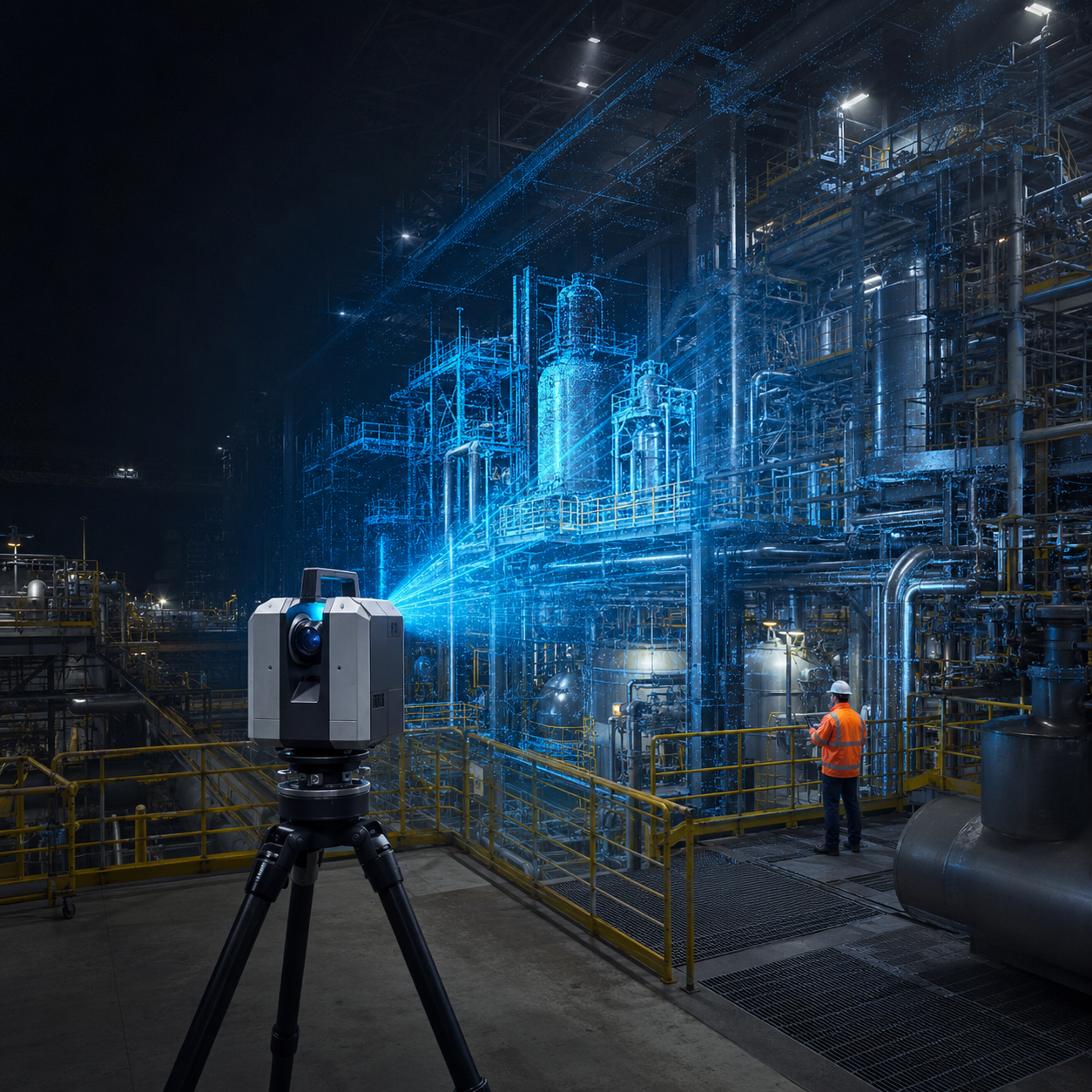
3D reality capture provides a verified, spatially accurate representation of existing conditions before design begins. Instead of designing around assumptions, engineers can work from data that reflects the site as it truly exists.
This allows firms to:
The value isn’t the scan itself. It’s the confidence it brings to every decision that follows. See how AsBuilt's Services are designed to decrease project risk.
When architects, structural engineers, and MEP teams work from the same reality-based dataset, coordination improves immediately. Conflicts are identified earlier, layouts are refined faster, and design reviews become more productive.
This is especially critical when integrating new systems into existing facilities, where tolerances are tight and interfaces matter.
See how AsBuilt's Scan-based analysis and verification service can perform deviation analysis, clash detection, and even ensure that fabrication was built and installed according to specifications.
One of the biggest misconceptions is that reality capture slows projects down. In practice, it does the opposite.
Capturing accurate existing-condition data upfront eliminates weeks of back-and-forth later. Engineering teams spend less time reacting to surprises and more time delivering coordinated designs that contractors can execute with confidence.
Firms that integrate reality capture into their workflows aren’t just improving project outcomes. They’re differentiating themselves.
Clients recognize the value of reduced uncertainty, clearer coordination, and fewer construction-phase issues. Over time, this translates into stronger client relationships and repeat work.
Engineering firms don’t lose projects because they lack expertise. They lose time and margin because they start with incomplete information.
Reality capture gives engineering teams a better foundation. And better foundations lead to better projects.
Each project represents our commitment to accuracy and technical excellence

Talk with our team about your facility, scope, and objectives to determine the right capture, modeling, and analysis approach.