
Most projects don’t fail because teams move too slowly. They fail because teams move forward with uncertainty baked into their decisions.
Reality capture addresses that problem at the root by replacing assumptions with verified information.
In retrofit, renovation, and brownfield projects, uncertainty around existing conditions is unavoidable—but unmanaged uncertainty is not.
Relying on outdated drawings, partial site verification, or best guesses introduces risk into:
Those risks surface later as RFIs, redesign, change orders, and delays.
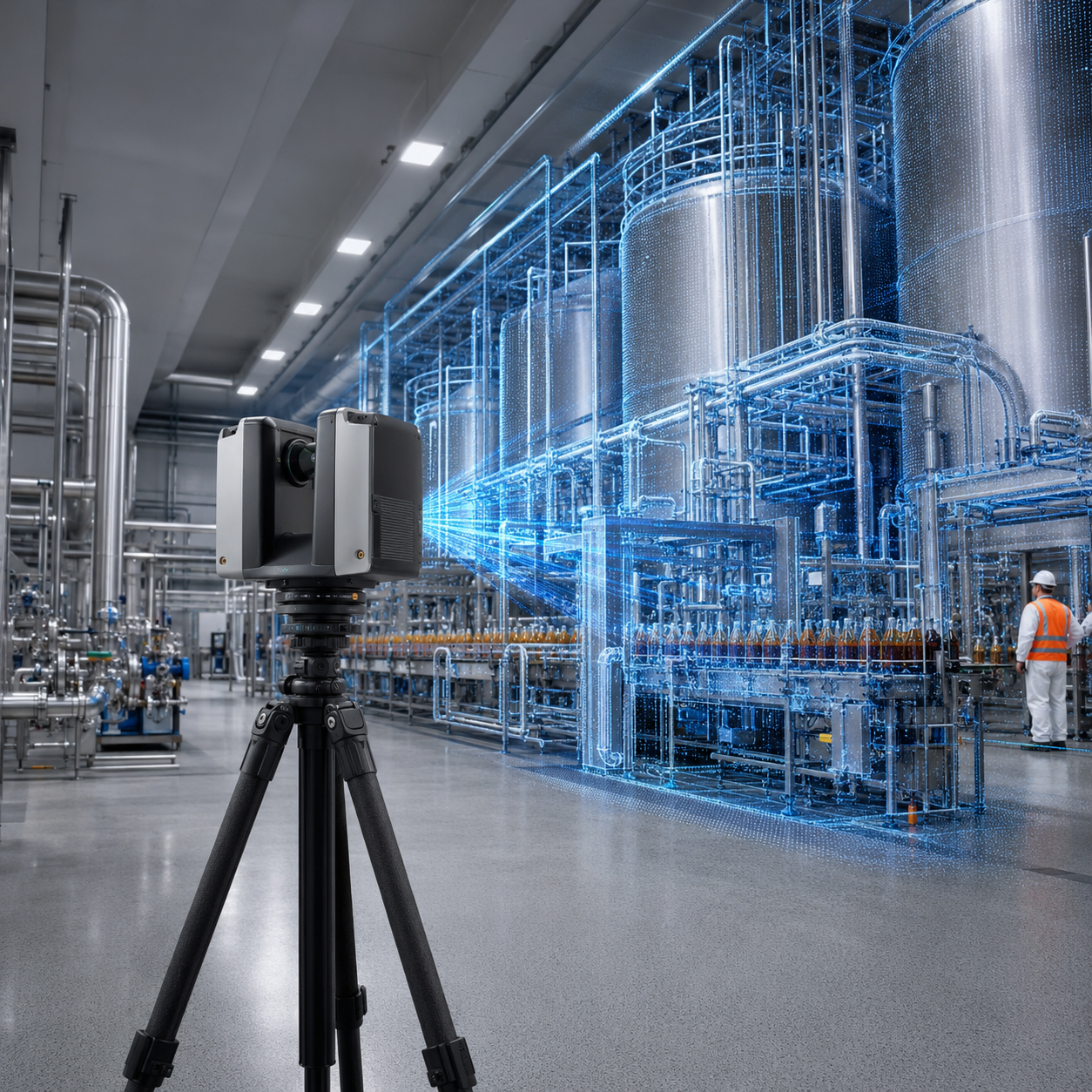
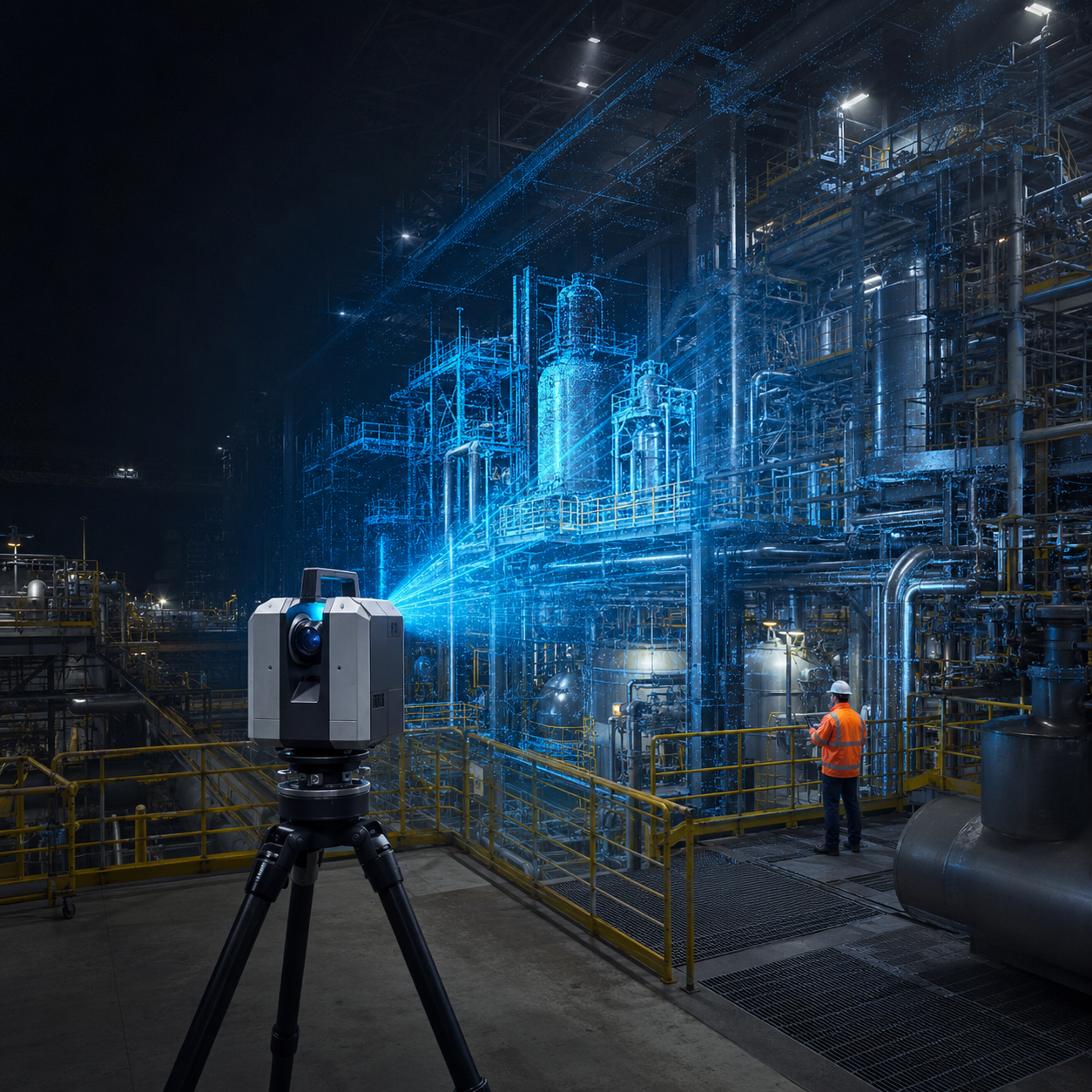
Reality capture provides a complete, accurate record of existing conditions before critical decisions are made.
Instead of asking teams to interpret incomplete information, it gives everyone a shared, reality-based reference. Engineers, contractors, and project managers work from the same dataset, grounded in what actually exists on site.
That alone removes a significant source of friction.
When teams start with accurate existing-condition data, they can:
Risk is shifted out of the field—where it is expensive—and into planning, where it can be managed.

Efficiency isn’t just about speed. It’s about minimizing wasted effort.
Projects that leverage reality capture experience:
Time is spent executing work, not resolving preventable surprises.
The impact of reality capture extends beyond early planning. The same dataset continues to support coordination, execution, and verification throughout the project.
That continuity reduces handoff friction and keeps teams aligned from design through installation.
Risk and inefficiency thrive in environments where information is incomplete or unreliable.
Reality capture reduces both by giving teams a clear, accurate understanding of existing conditions from the start. When decisions are grounded in reality, projects move faster, smoother, and with far fewer surprises.
Each project represents our commitment to accuracy and technical excellence


Talk with our team about your facility, scope, and objectives to determine the right capture, modeling, and analysis approach.