Retrofit projects rarely fail because the idea was wrong. They fail because execution starts from assumptions.
In power generation and utility environments, teams often inherit outdated drawings, undocumented modifications, and tight shutdown windows. When the existing conditions are not verified, even a well-designed retrofit can run into routing conflicts, poor access, fabrication mismatches, and installation delays.
The better approach is scan-driven engineering.
Instead of treating laser scanning as a standalone deliverable, scan-driven engineering uses verified site data as the starting point for the full retrofit workflow: Scan → Model → Simulate → Fabricate → Verify → Install. That sequence gives project teams more than confidence in fit. It improves how the retrofit performs once it is built.
Most teams understand why existing-condition verification matters before an outage or shutdown. They want to know whether a new chute, duct run, support frame, spool, or equipment package will physically fit. That is essential, but it is only the first layer of value.
Once reality capture is converted into a usable model, engineering teams can evaluate how the retrofit will actually behave in operation. They can check routing options, confirm maintenance clearances, test constructability, review tie-in constraints, and validate whether the proposed design supports the intended throughput or process outcome using scan-based analysis and verification.
That shift matters because retrofit success is measured two ways: did it install without surprises, and did it perform the way it was supposed to?
Scan-driven engineering helps answer both questions before fabrication is complete.
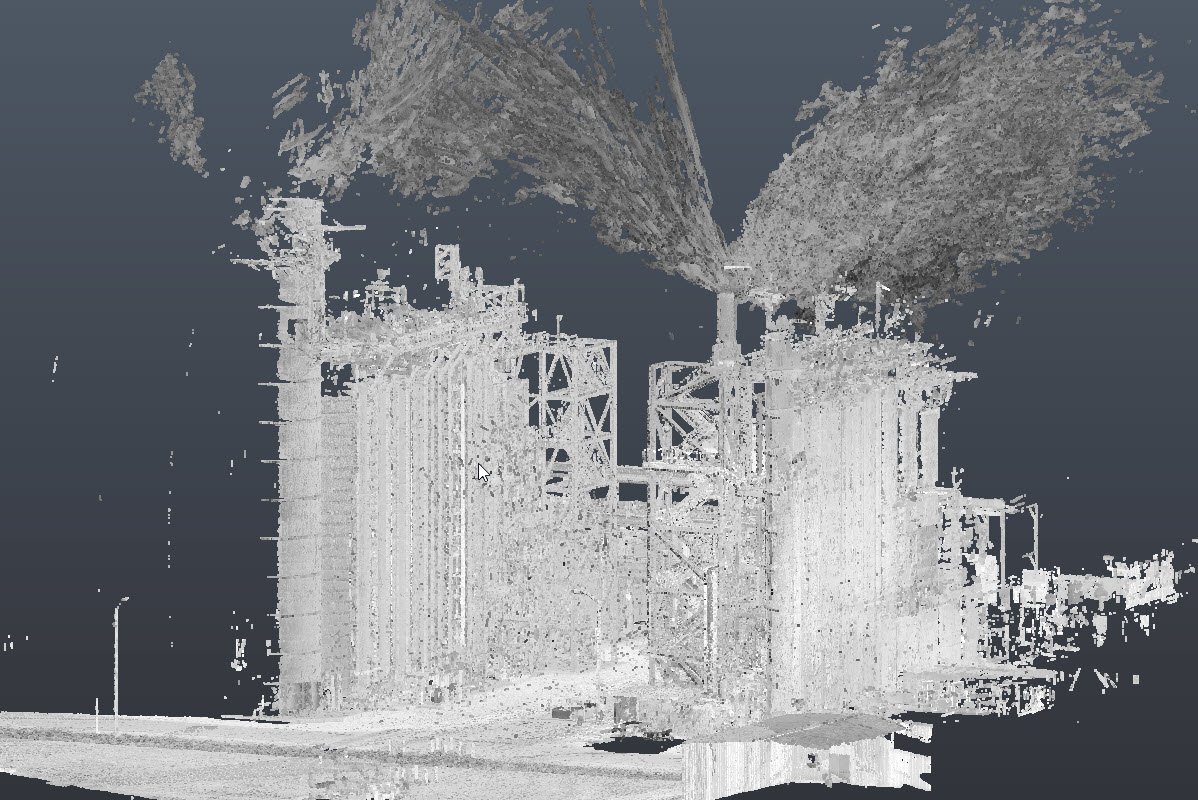
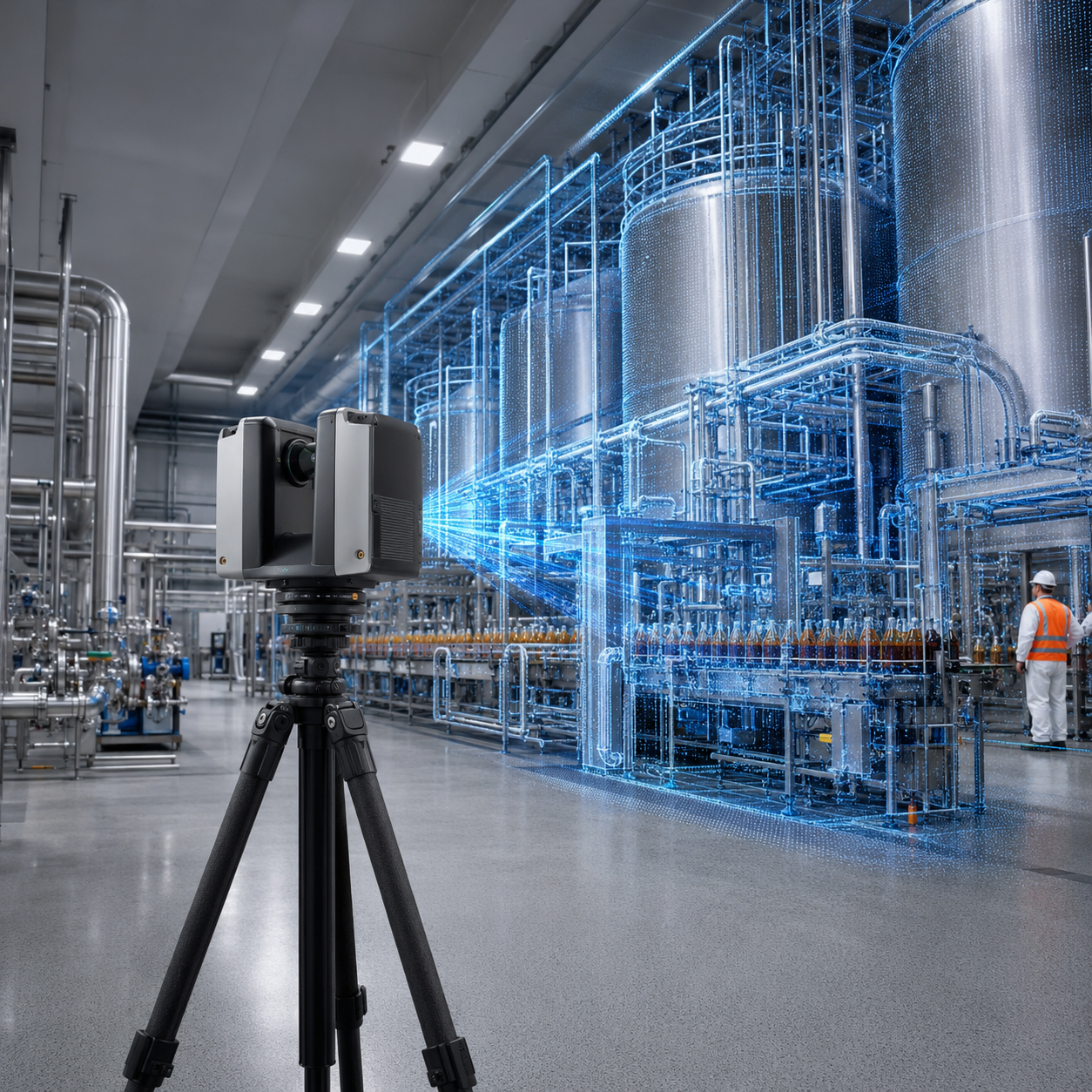
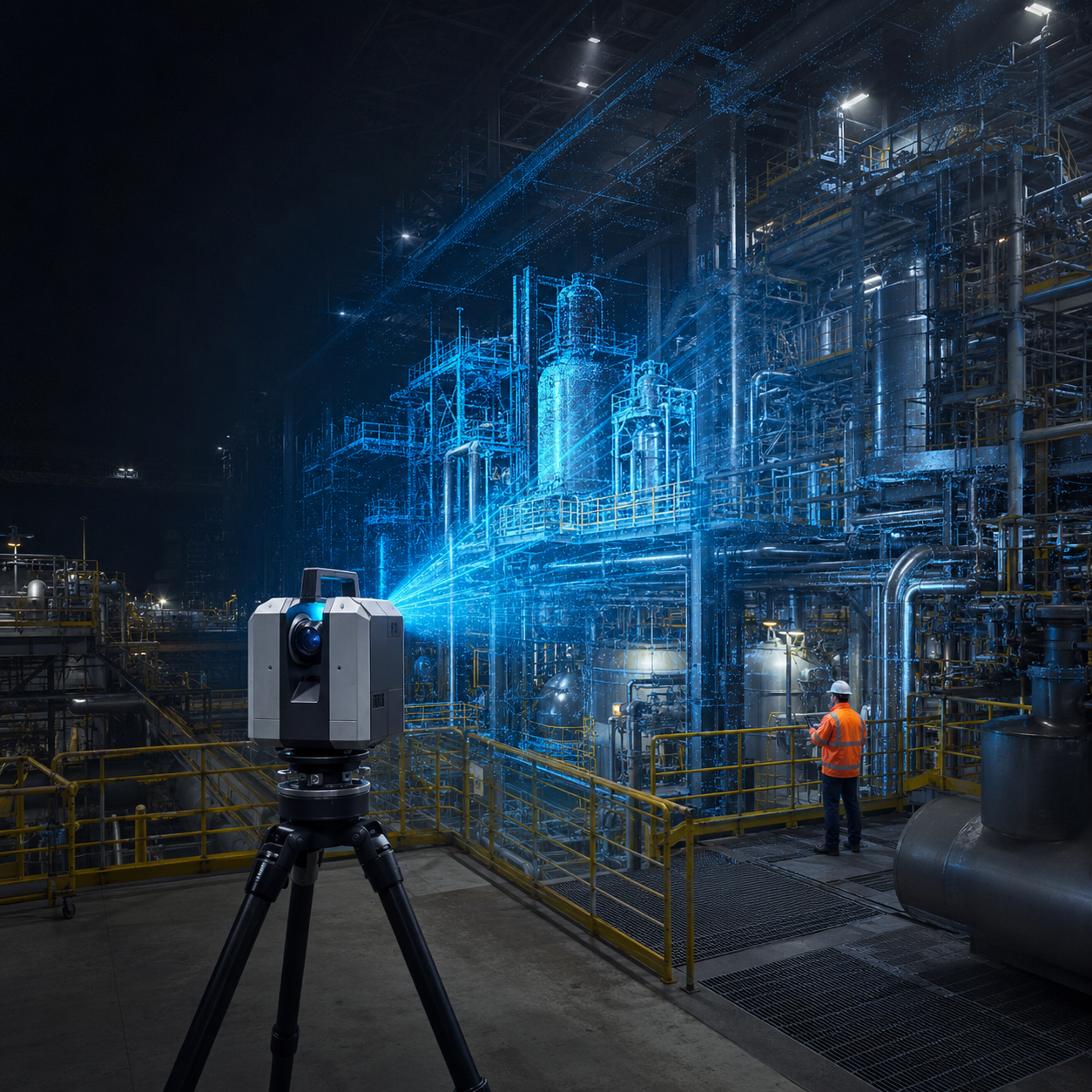
The workflow starts with high-accuracy 3D laser scanning of the actual facility conditions. This creates field-verified data that reflects what truly exists onsite, which is especially valuable when drawings are missing, incomplete, or no longer match the field.
For shutdown-driven work, this step reduces the foundational risk. Instead of relying on tape checks, marked-up PDFs, or tribal knowledge, teams begin with objective field data.
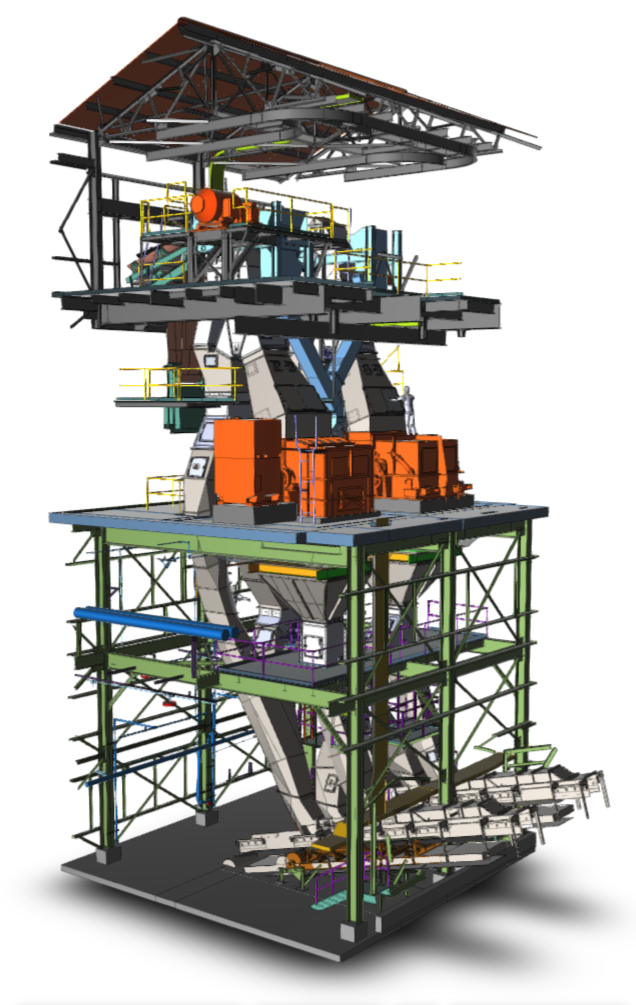
Next, the scan data is converted into a fit-for-purpose 3D model and supporting drawings. That model becomes the working environment for engineers, EPC teams, specialty fabricators, and operations stakeholders to make decisions before site work begins.
This is where verified fit becomes actionable. Instead of debating assumptions, teams work from one shared source of truth grounded in existing conditions.
With reliable geometry in place, engineering can move beyond fit-up and into performance analysis.
For retrofit projects involving material flow, duct performance, equipment access, or operational constraints, simulation provides a way to test whether the design will work under real operating conditions. In many cases, that analysis is strengthened by deviation analysis using LiDAR and other scan-driven engineering workflows.
This is where scan-driven engineering starts to outperform traditional retrofit planning. You are no longer asking only, “Will it fit?” You are asking, “Will it flow, operate, clear, and install the way it needs to?”
Once routing, geometry, and performance assumptions are validated, specialty fabricators can work from field-verified models and dimensions. That improves prefabrication quality, reduces RFIs, and lowers the risk of late-stage changes.
For EPCs and fabricators, that matters because fabrication errors are often not discovered until delivery or install, when the schedule impact is hardest to absorb.
Before shipment or final install, teams can use fabrication and installation verification to confirm whether fabricated components and installed systems match design intent. This creates a digital quality checkpoint before site crews are committed.
By the time installation begins, the team is working from a coordinated, validated, performance-informed package. That does not eliminate every field challenge, but it dramatically reduces the likelihood that shutdown time will be spent solving avoidable geometry and fit problems.
A useful example of this workflow comes from an anonymous power generation crusher retrofit, where scan-driven engineering supported both execution planning and expected material handling performance.
The project required the team to validate a new chute route through an existing crusher area, confirm tight clearances, and establish reliable geometry for downstream engineering. In constrained legacy environments, starting from assumptions introduces unnecessary risk. That is why similar work, such as this crusher house project, depends on verified field conditions before design decisions move forward.
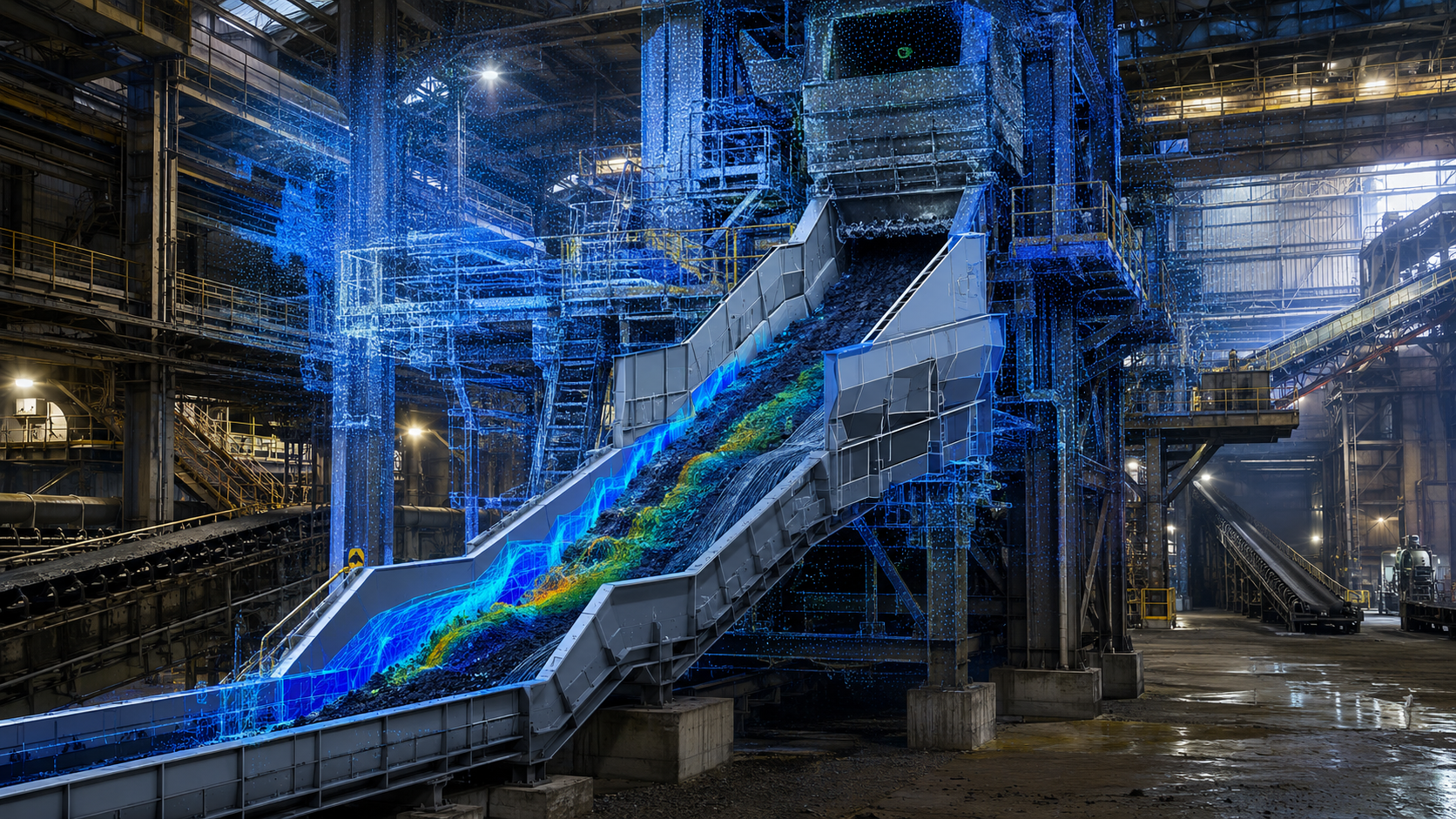
With scan data and modeling in place, the project team was able to support DEM simulation of 1,400 TPH wet coal flow using geometry grounded in actual field conditions rather than simplified assumptions. That matters because flow performance in a retrofit chute is directly influenced by the real path, transitions, interfaces, and constraints imposed by the existing structure.
The scan-driven workflow also helped verify fabrication before delivery, reducing the chance that fabricated components would arrive onsite only to require cutting, modification, or resequencing during the shutdown. This is closely aligned with the type of work shown in AsBuilt’s crusher transfer chute fabrication verification project.
The result was not just confidence that the retrofit could be installed. It was a stronger basis for improved execution and better expected flow performance.
In retrofit environments, route selection is rarely a simple layout choice. It affects supports, interferences, access, structural constraints, maintenance clearances, and installation sequencing.
A scan-driven model allows teams to review options against real conditions early, before fabrication locks in a bad path.
Simulation quality depends on model quality. Whether the team is evaluating material flow, access, constructability, or equipment placement, analysis built on verified existing conditions is more credible than analysis built on outdated drawings.
When fabrication is based on field-verified geometry, shops can work with greater confidence. That reduces last-minute revisions, field fit-up problems, and expensive schedule compression near delivery.
Shutdown work is unforgiving. The more uncertainty that can be removed before the outage window opens, the better the chances of a clean install. AsBuilt’s recent article on field verification before a shutdown and its compressed air retrofit case study both reinforce how verified existing conditions support better execution.
This approach is especially valuable when:
These use cases closely match the work AsBuilt supports across industrial facilities, power generation sites, EPC teams, contractors, mechanical engineers, specialty fabricators, and material handling projects.
It is easy to frame laser scanning as a defensive tool: verify fit, avoid clashes, reduce rework.
Those are real benefits, but the stronger message for retrofit execution is this: once verified field conditions are connected to modeling, analysis, fabrication, and verification, scanning becomes a performance enabler.
It helps teams make better route decisions. It supports stronger simulations. It improves the odds that fabrication will arrive ready to install. And it gives the shutdown team a better chance of executing the retrofit the first time, with fewer surprises and better operating results.
That is the difference between verifying fit and improving performance.
Talk to AsBuilt about scan-driven retrofit support if your next project depends on accurate existing conditions, tighter fabrication control, or engineering analysis grounded in what is actually in the field.
Scan-driven engineering is a workflow that starts with laser scanning of existing conditions and uses that field-verified data to support modeling, analysis, fabrication, verification, and installation decisions. It is most useful when drawings are outdated or when retrofit risk is high.
Because many industrial facilities have decades of undocumented changes. Existing drawings often drift from reality over time, which is why objective field data matters before retrofit work begins.
Yes. Once scan data is converted into a usable model, it can support simulation, clearance reviews, constructability analysis, deviation analysis, and verification workflows in addition to basic fit validation.
It helps teams verify fit, validate tie-in locations, confirm access and clearances, and reduce fabrication risk before the outage window begins. That shifts problem-solving out of the field and into planning.
Yes. Fabrication verification can compare fabricated components against the design model and identify issues before they reach the site, helping reduce field modification and schedule risk.
Each project represents our commitment to accuracy and technical excellence


Talk with our team about your facility, scope, and objectives to determine the right capture, modeling, and analysis approach.