
.png)
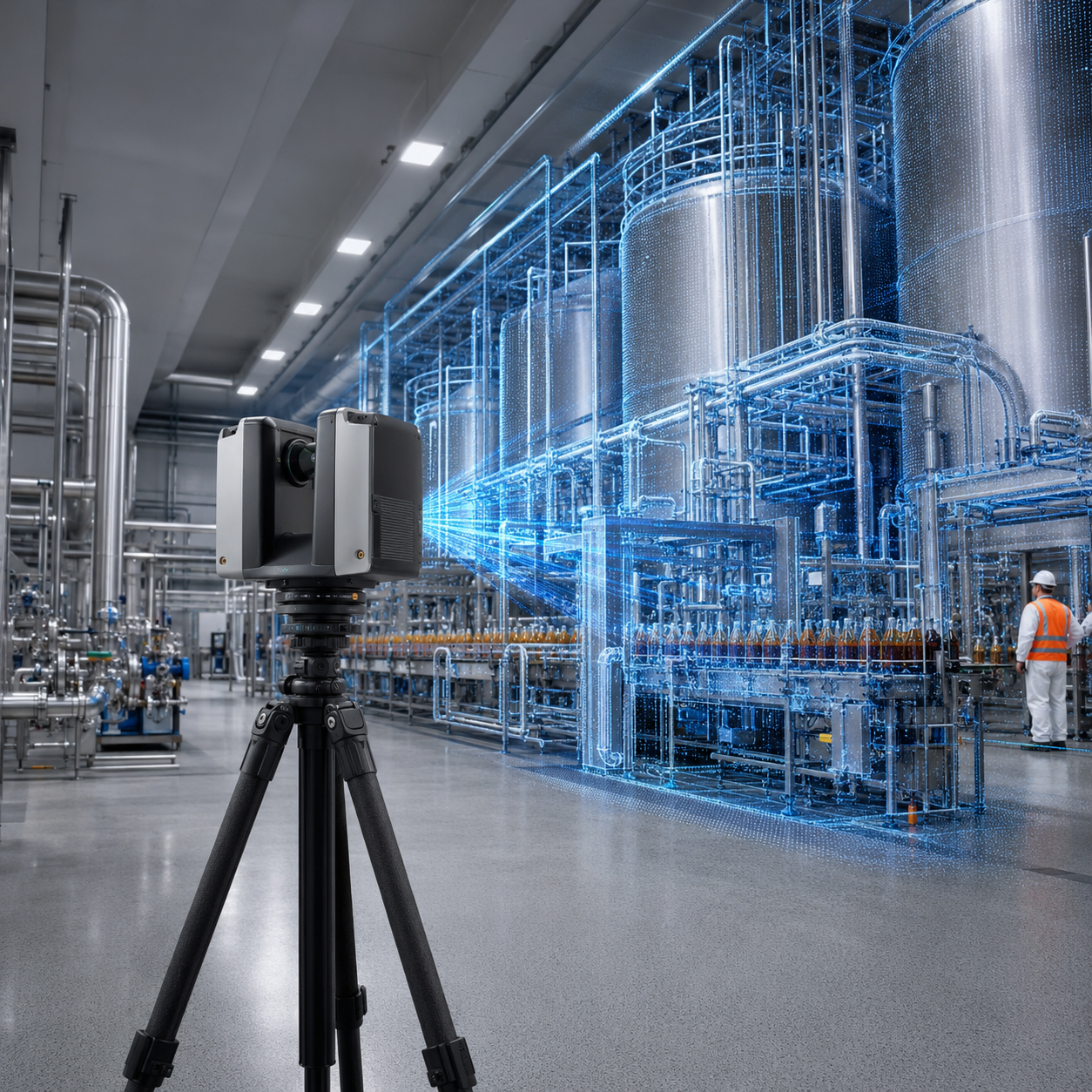
In power generation and utility environments, the cost of not knowing what’s really in the field is high—unplanned outages, design rework, safety incidents, and schedule overruns. 3D laser scanning and continuously maintained as-built drawings give owners something they’ve historically lacked: objective, current truth of their assets.
From deviation analysis to seasonal thermal movement and long-term management of change (MOC), reality capture has become a practical risk-management tool—not a luxury.
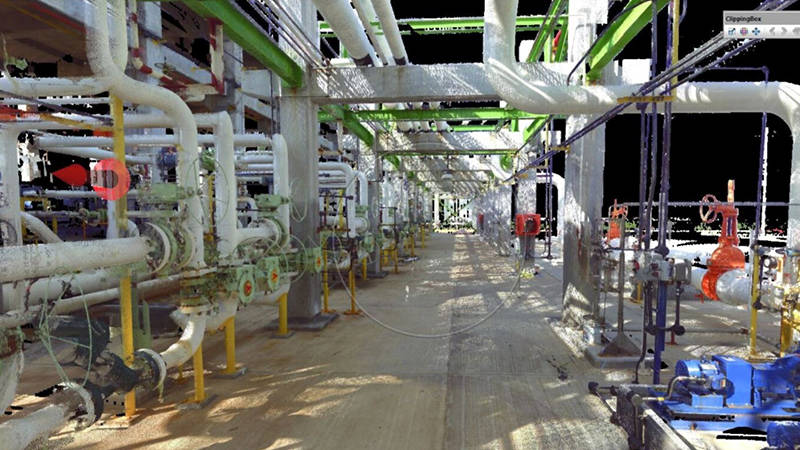
Power plants, substations, and utility corridors evolve for decades. Temporary fixes become permanent. Tie-ins happen under outage pressure. Vendor skids arrive “close enough.” Over time, drawings drift further from reality.
Common field conditions we see repeatedly:
When new projects rely on outdated documentation, the risk compounds.
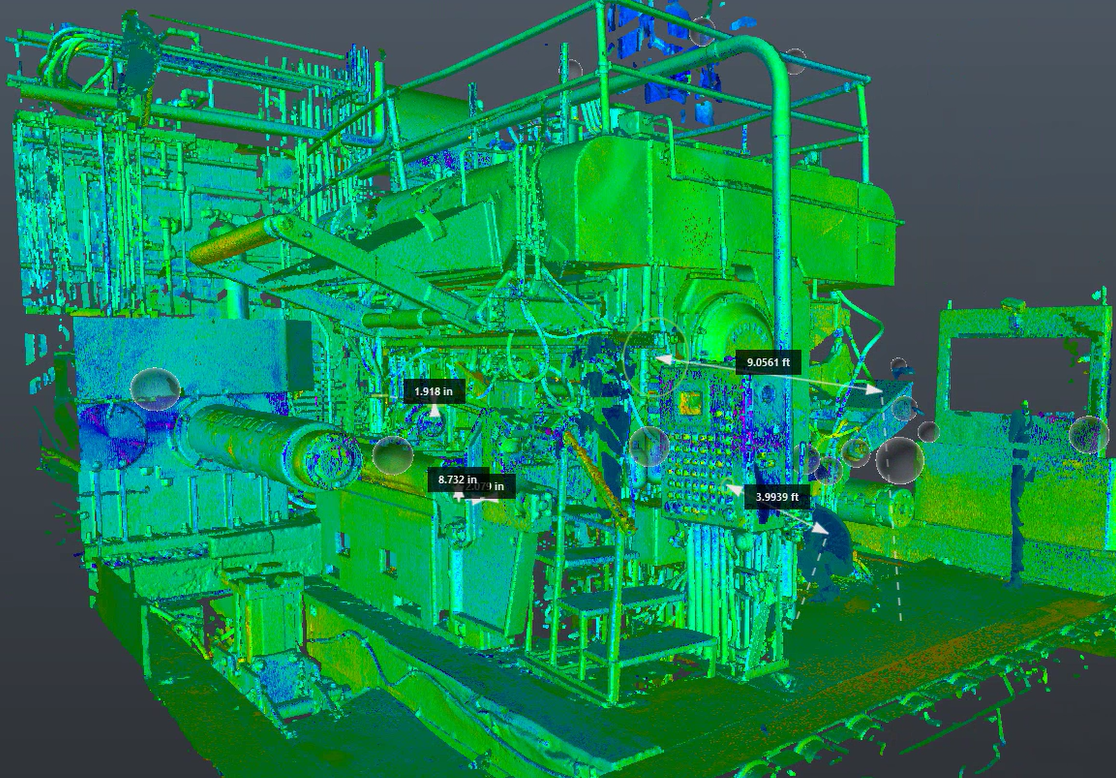
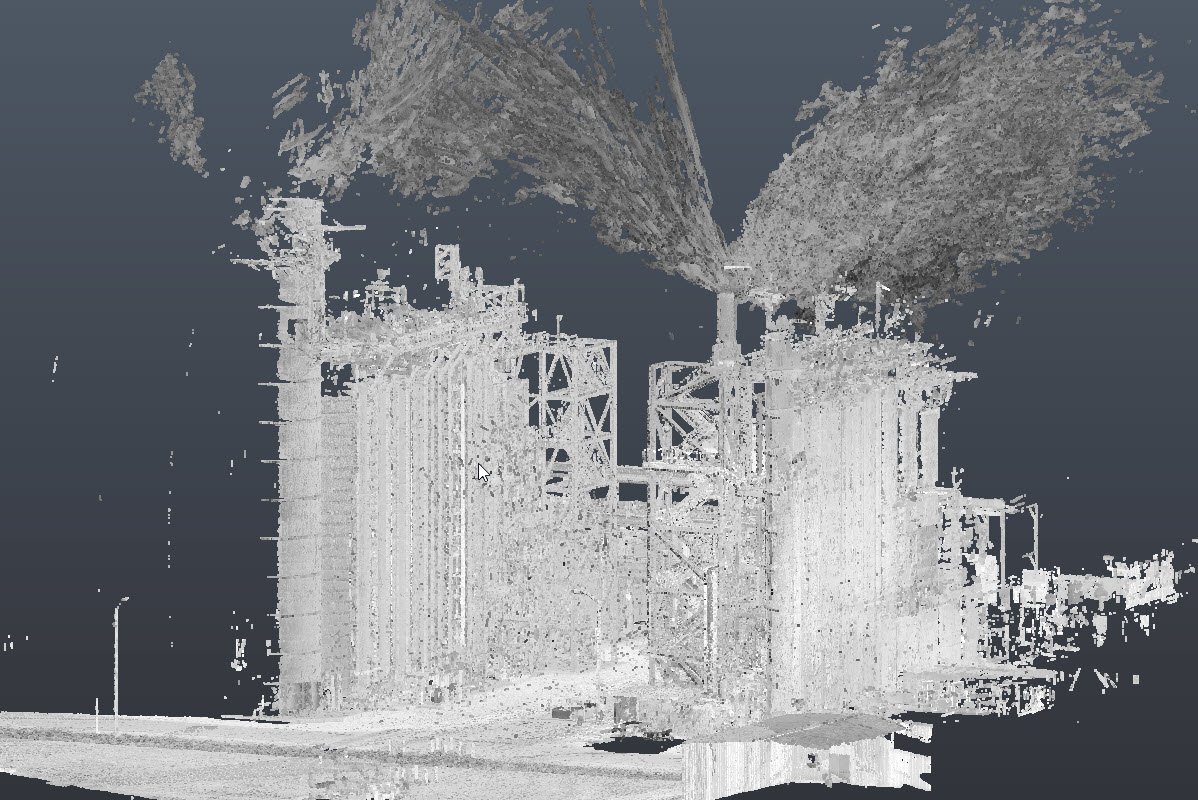
One of the most valuable uses of 3D scanning in power and utilities is deviation analysis—quantifying how the as-built condition differs from the design model or legacy drawings.
On a combined-cycle plant expansion, AsBuilt3D scanned an existing pipe rack prior to installing new process lines. Overlaying the scan against the design model revealed:
None of these issues were visible on the drawings. Catching them early avoided field rework, re-fabrication, and outage extensions.
Deviation analysis turns scanning data into decision-grade intelligence, not just a visualization.
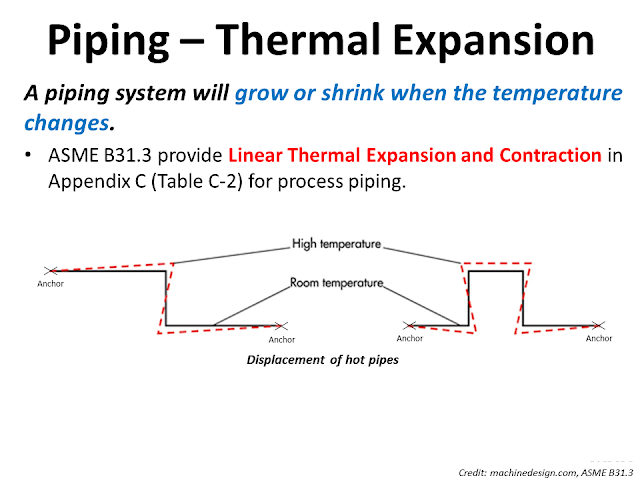
Thermal expansion and contraction are facts of life in power and utility systems—but assumptions about how systems actually move are often based on theory, not observation.
By scanning the same piping systems in extreme cold and peak summer conditions, owners can:
Learn more about Scan-Based Analysis & Verification services from AsBuilt.
At a northern utility facility, scans taken in January and August showed measurable lateral movement at flanged connections near a turbine building penetration. The original design allowed for movement—but field modifications had reduced flexibility.
Because the issue was identified early, supports were modified during a planned outage instead of after a leak or failure.
Seasonal reality capture moves thermal risk from assumed to verified.
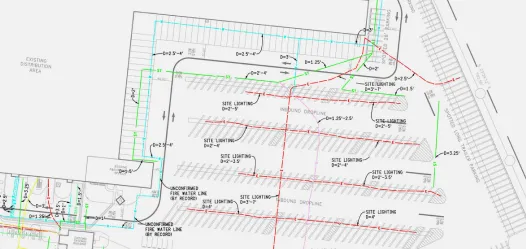
Many utilities technically have MOC processes—but they fail at the documentation level. Changes get approved, installed, and commissioned… yet drawings lag years behind.
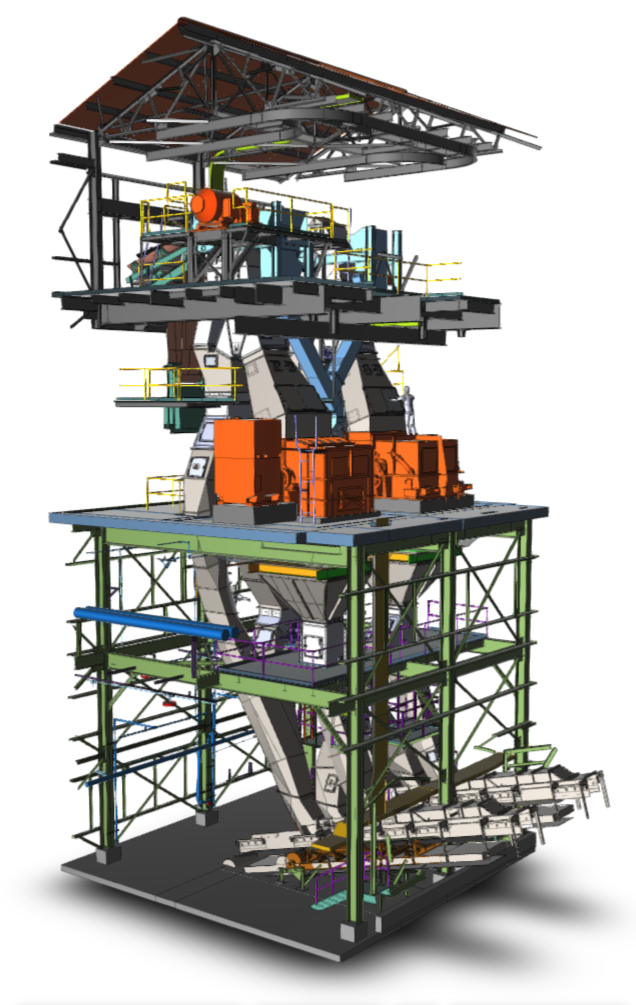
At AsBuilt3D, we’ve supported owners who scan after each major outage or capital project, updating federated as-built models that become the single source of truth.
When the next project starts:
That’s how MOC is supposed to work. Learn more about Management of Change (MOC) services from AsBuilt.
Accurate as-builts aren’t just about avoiding problems—they actively enable better projects.
Power and utility owners use 3D scanning to:
In high-capital, low-margin environments, those advantages add up quickly.
Learn about Reducing Risk and Avoiding Mistakes with 3D Scanning from AsBuilt.
Consider scanning when:
If one or more apply, scanning is usually cheaper than the risk it removes.
If you’re planning work in an operating power or utility facility, accurate field data is one of the few things you can fully control. 3D scanning and living as-built documentation help you make decisions with confidence—before outages, before fabrication, and before risk becomes reality.
Each project represents our commitment to accuracy and technical excellence

Talk with our team about your facility, scope, and objectives to determine the right capture, modeling, and analysis approach.