Contingency exists for one reason: uncertainty.
Owners, engineers, and contractors don’t pad budgets because they expect failure. They do it because too many projects begin with incomplete information about existing conditions. When reality is unclear, contingency becomes the insurance policy.
The problem is that most contingency isn’t spent on true unknowns. It’s spent on issues that could have been identified early—with better data.
In theory, contingency is meant to absorb unforeseen conditions. In practice, it often covers predictable gaps such as:
These are not random risks. They are information risks.
When project teams don’t trust the starting data, contingency grows to compensate.
Many projects still rely on a mix of legacy documentation, selective field verification, and experience-based assumptions. While this may feel efficient upfront, it introduces compounding risk as design progresses.
Small uncertainties in early design decisions cascade into:
By the time construction begins, contingency is already burdened with issues that were never truly unpredictable.
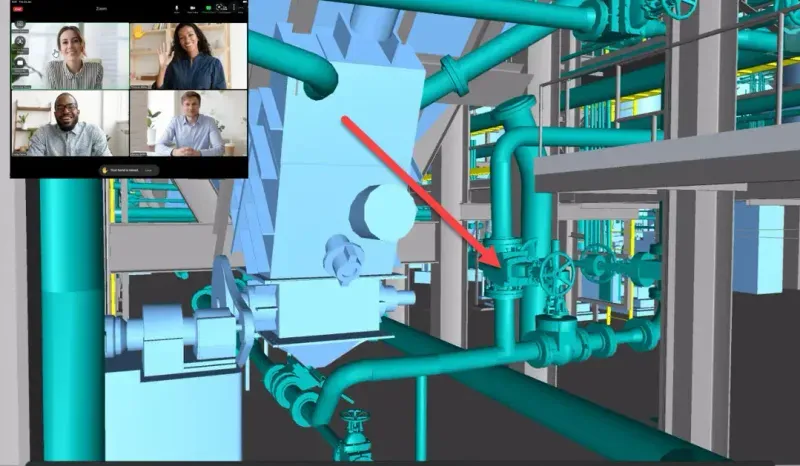
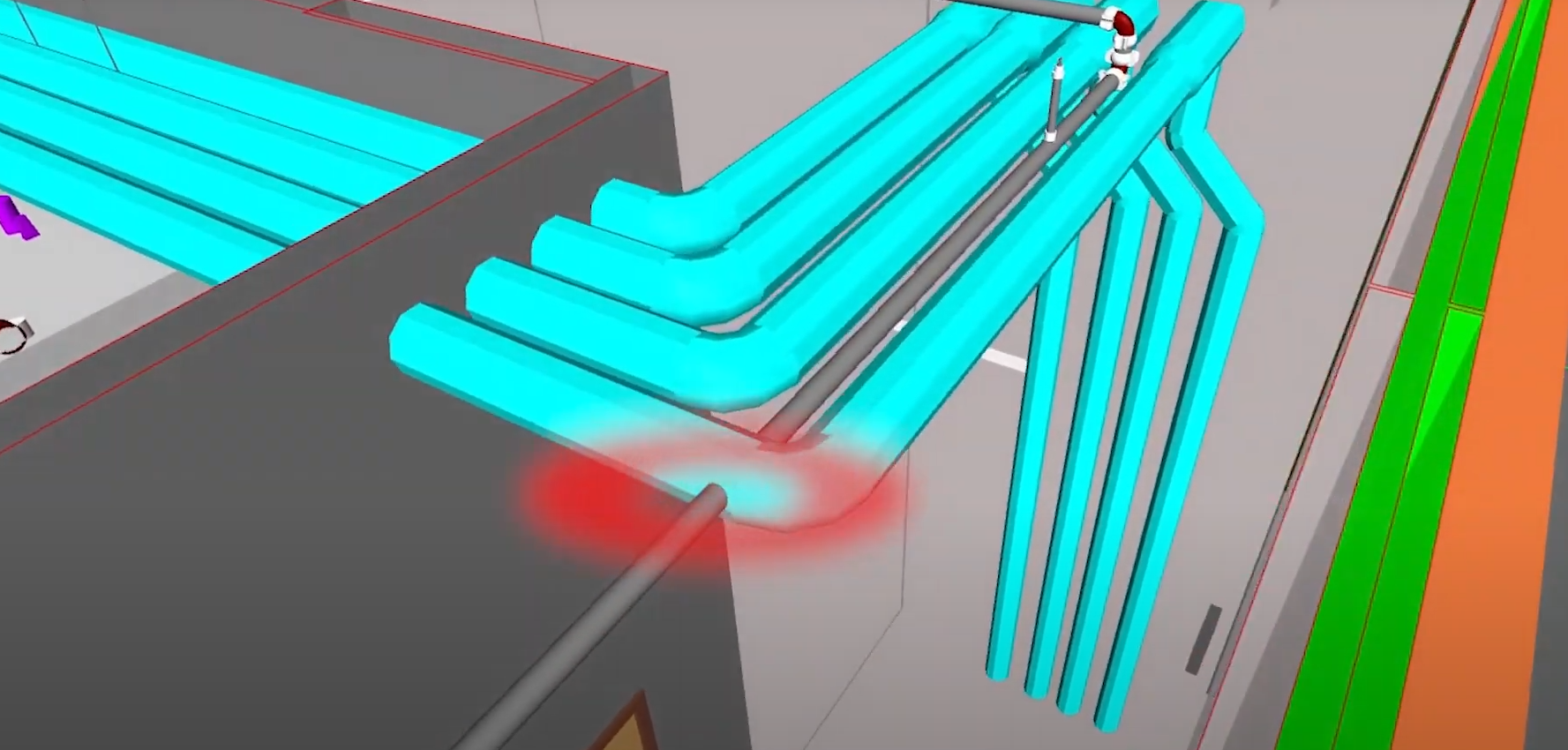
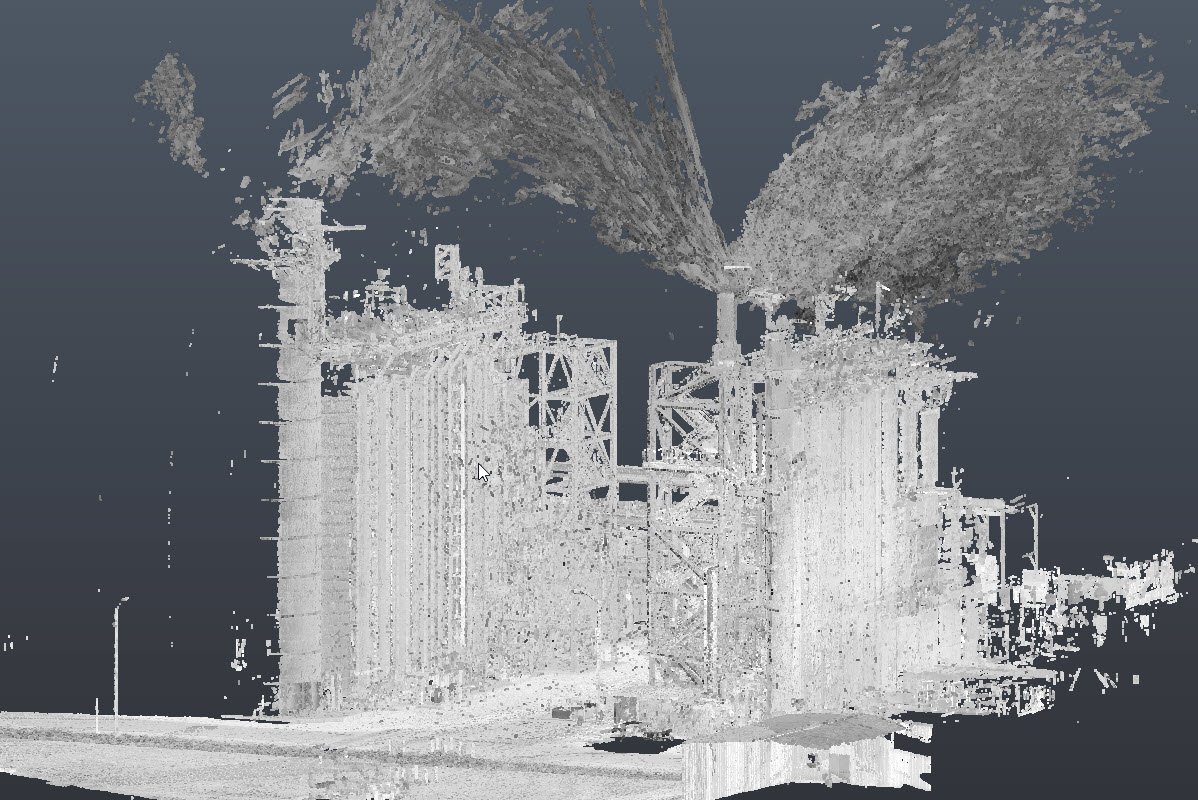
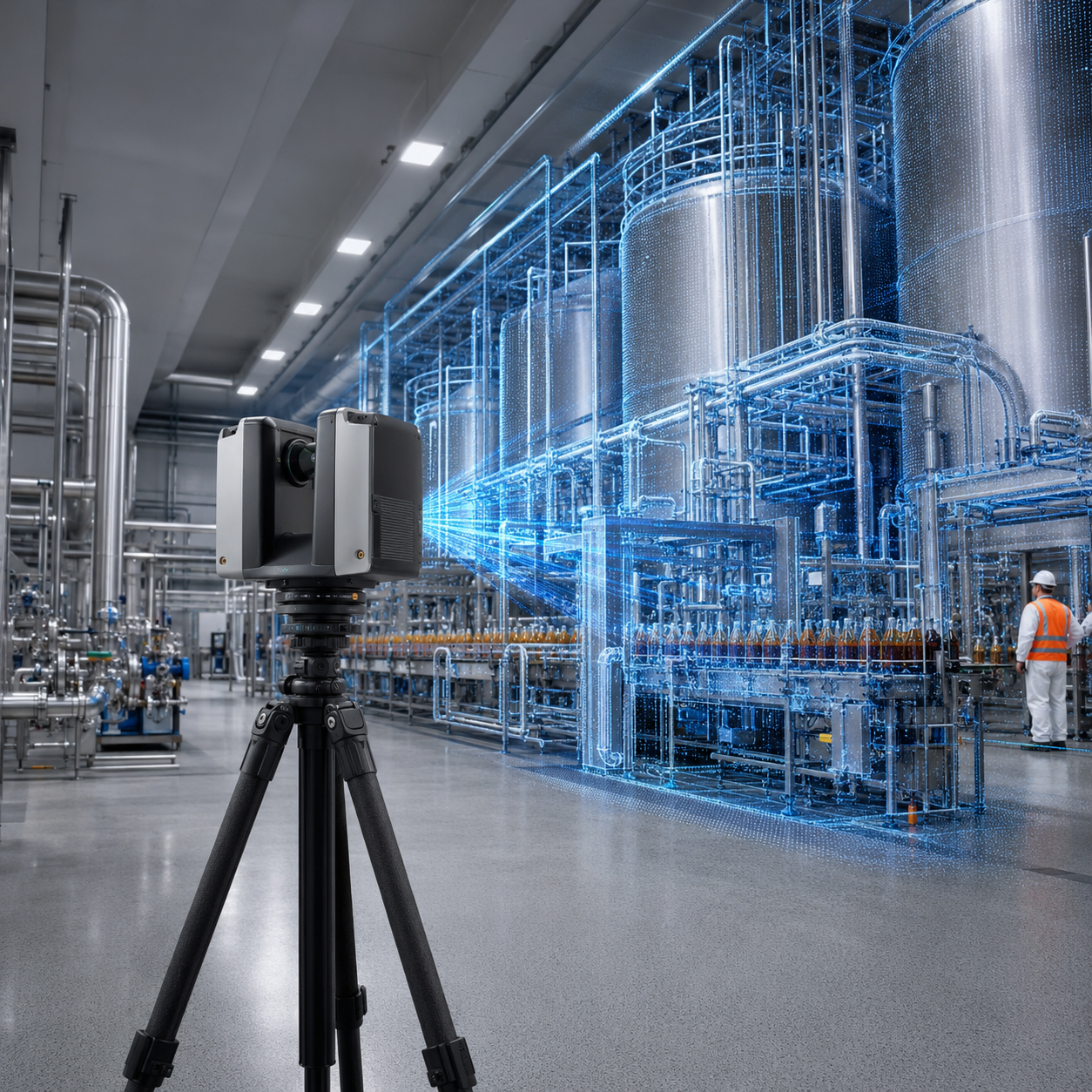
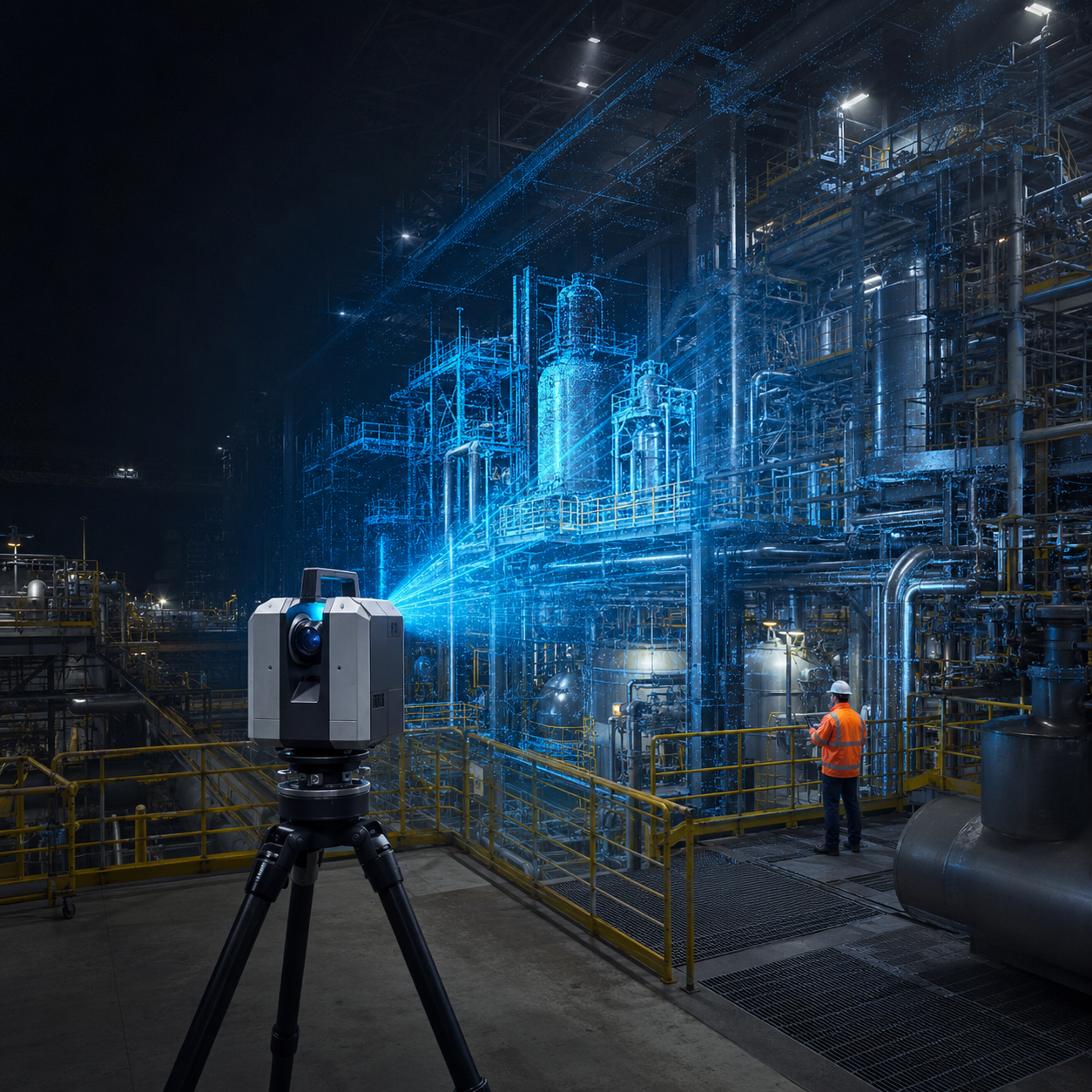
3D laser scanning provides a comprehensive, spatially accurate capture of existing conditions before design decisions are locked.
Instead of asking teams to infer reality, scanning delivers:
This shifts projects from assumption-driven planning to evidence-based planning.
When uncertainty is reduced early, contingency can be sized more appropriately.
Projects that begin with accurate existing-condition data allow teams to:
The result is not zero contingency—but smarter contingency.
One of the most overlooked benefits of 3D scanning is how it changes conversations around risk.
Instead of saying “we need contingency because we don’t know,” teams can say:
This level of specificity improves confidence for owners and sharpens cost control.
Reducing contingency isn’t just a financial exercise. It improves execution.
Clearer understanding of existing conditions leads to:
Projects move forward with fewer pauses because decisions hold up under real-world conditions.
It’s important to be clear: 3D scanning does not eliminate all risk.
Unknowns tied to subsurface conditions, material degradation, or future operational changes may still require contingency. The difference is that contingency is no longer covering avoidable uncertainty.
It is reserved for risks that truly cannot be resolved upfront.
Contingency is expensive. And when it’s driven by poor information, it’s also inefficient.
3D scanning reduces contingency risk by replacing assumptions with verified reality. It allows teams to design with confidence, budget with clarity, and allocate contingency where it actually belongs.
The goal isn’t to remove contingency entirely. It’s to stop paying for uncertainty you don’t need to carry.
Each project represents our commitment to accuracy and technical excellence

Talk with our team about your facility, scope, and objectives to determine the right capture, modeling, and analysis approach.