Manufacturing facilities evolve constantly.
Equipment is replaced. Lines are reconfigured. Utilities are upgraded. Expansions are phased around production schedules.
When existing conditions are outdated or undocumented, risk increases:
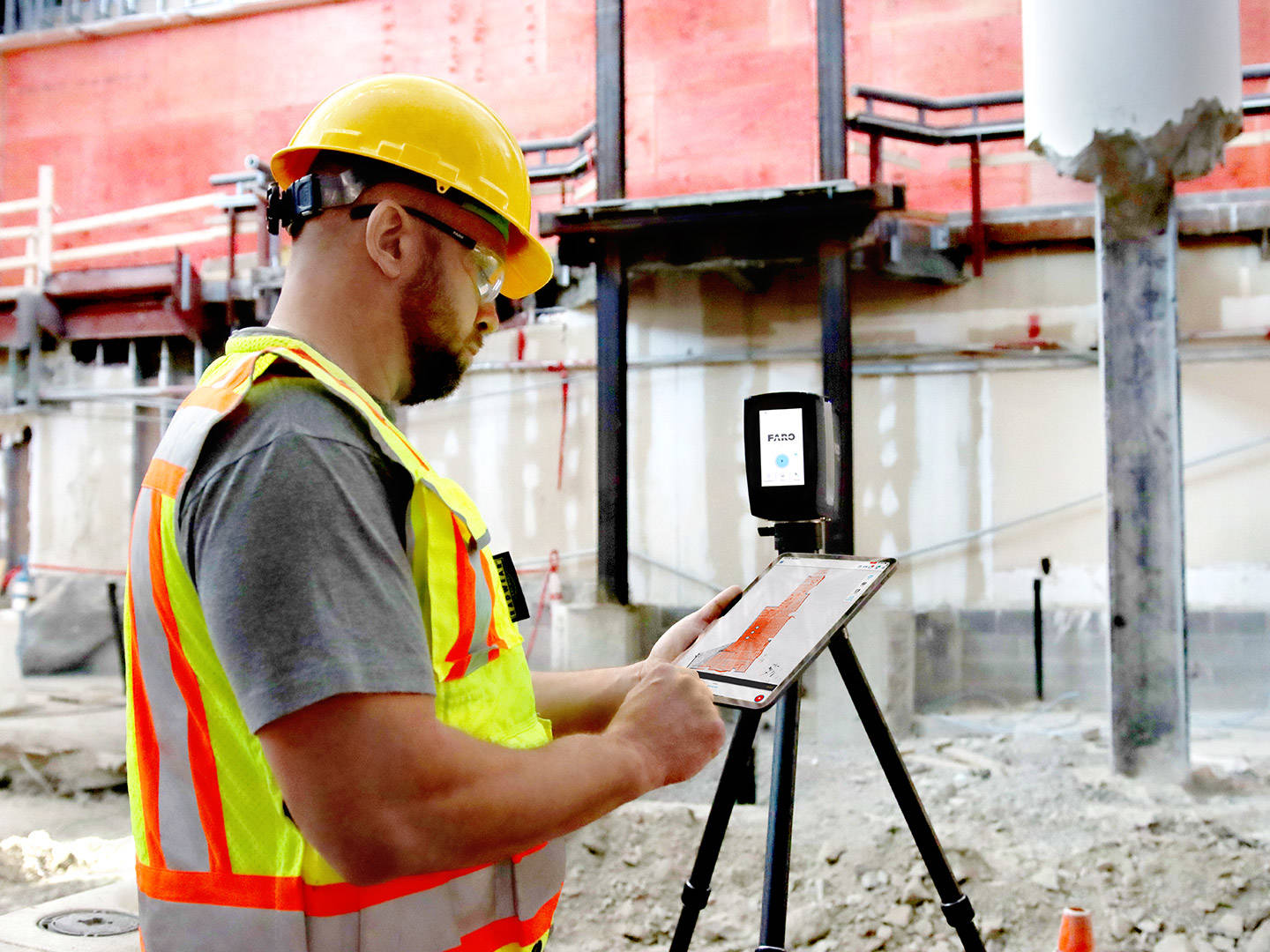
Professional 3D laser scanning for industrial plants provides precise, current documentation of real-world conditions — enabling confident planning before work begins.
Industrial environments are dense, complex, and rarely static.
Common challenges include:
Traditional measurement methods cannot capture the full spatial complexity of an operating plant.
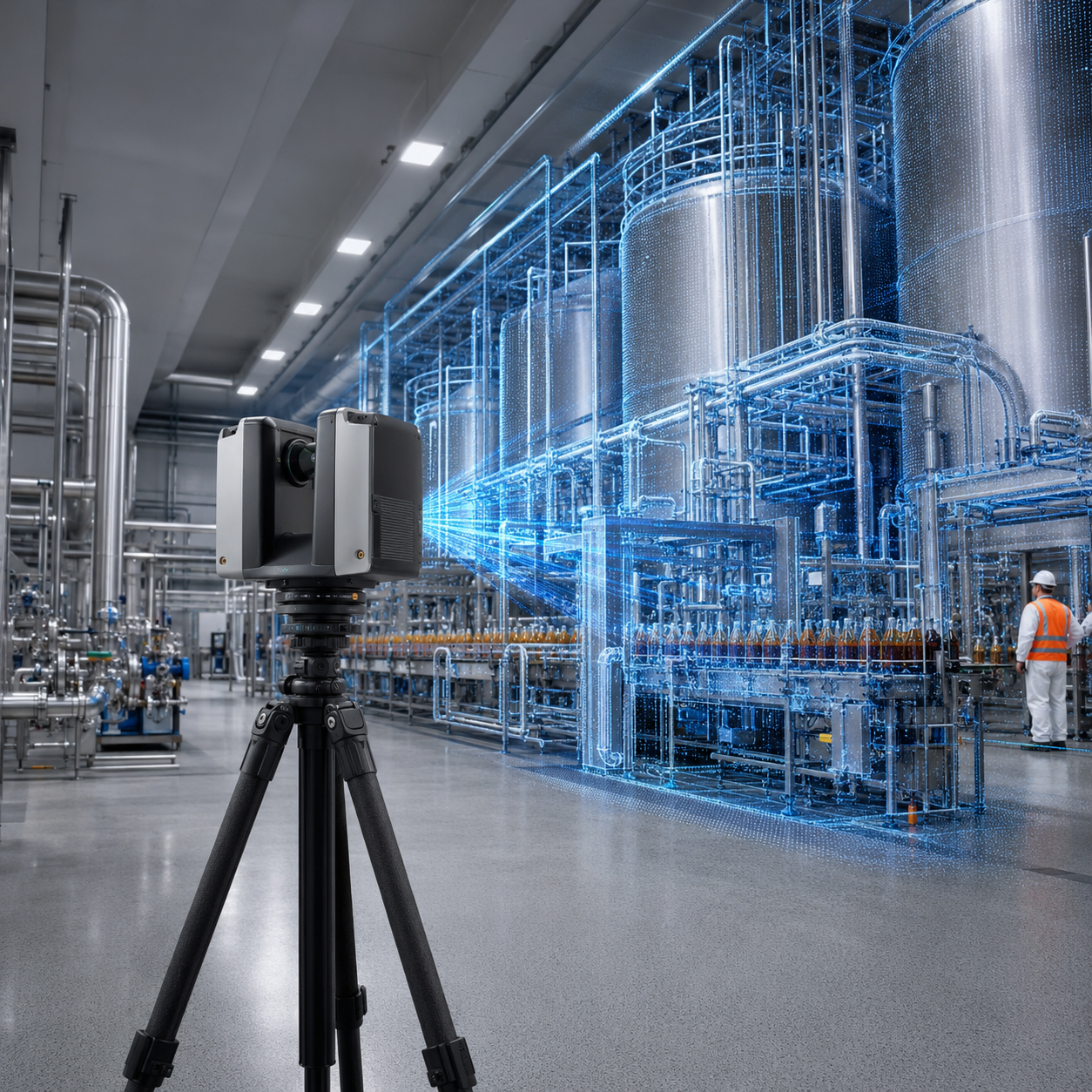
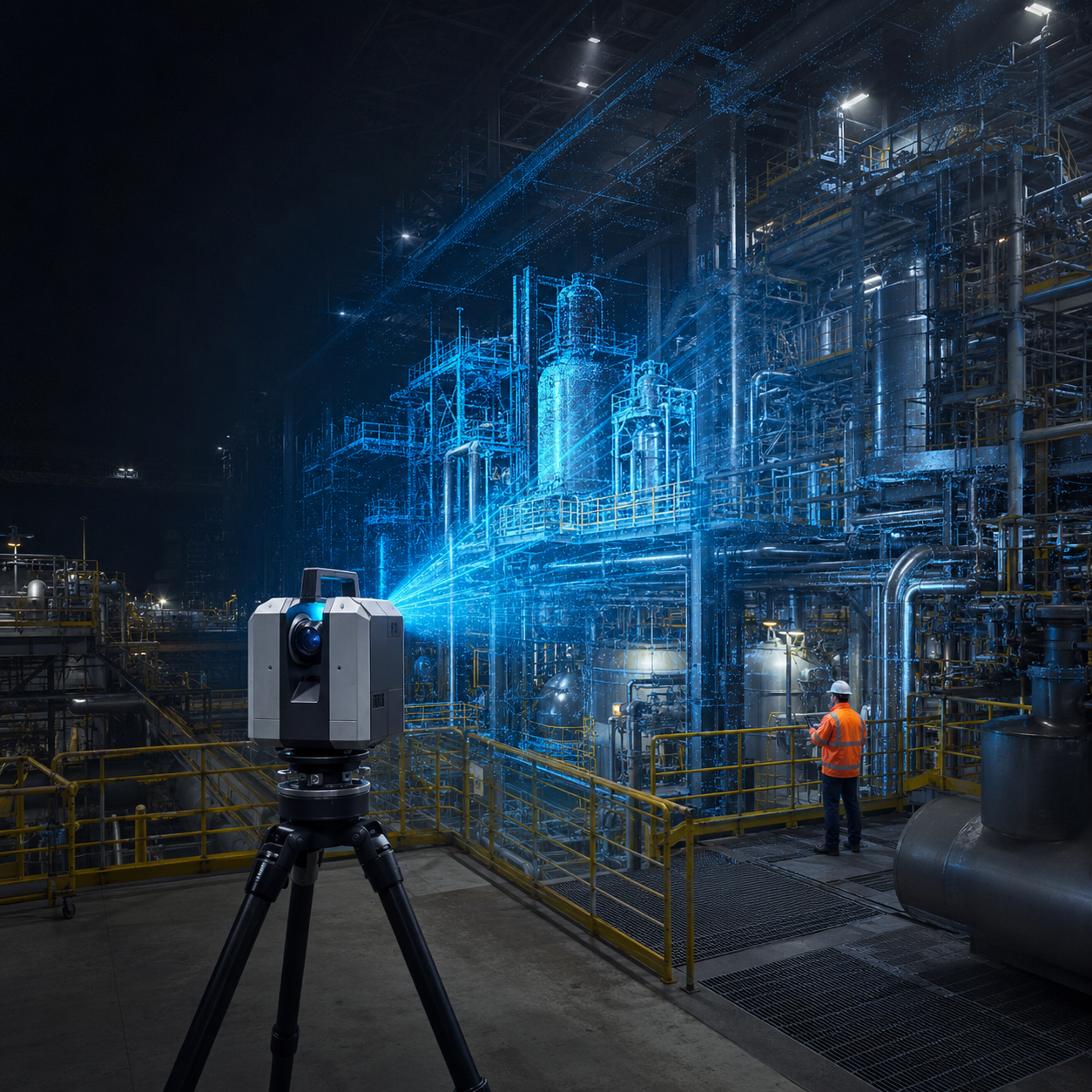
3D laser scanning captures the entire environment in high resolution — quickly and safely.
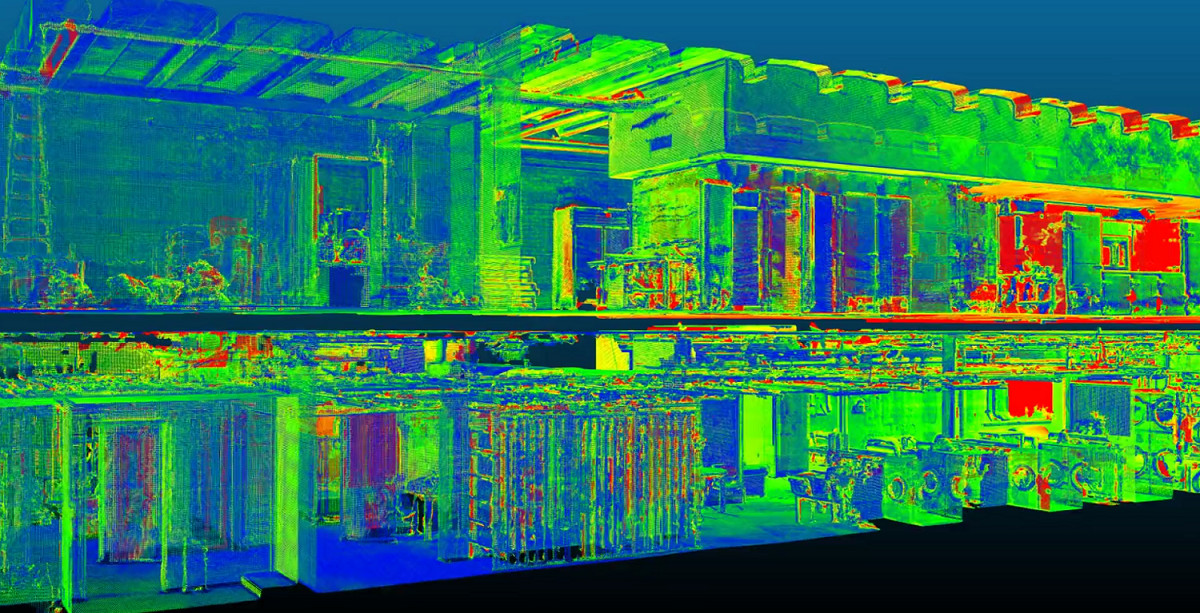
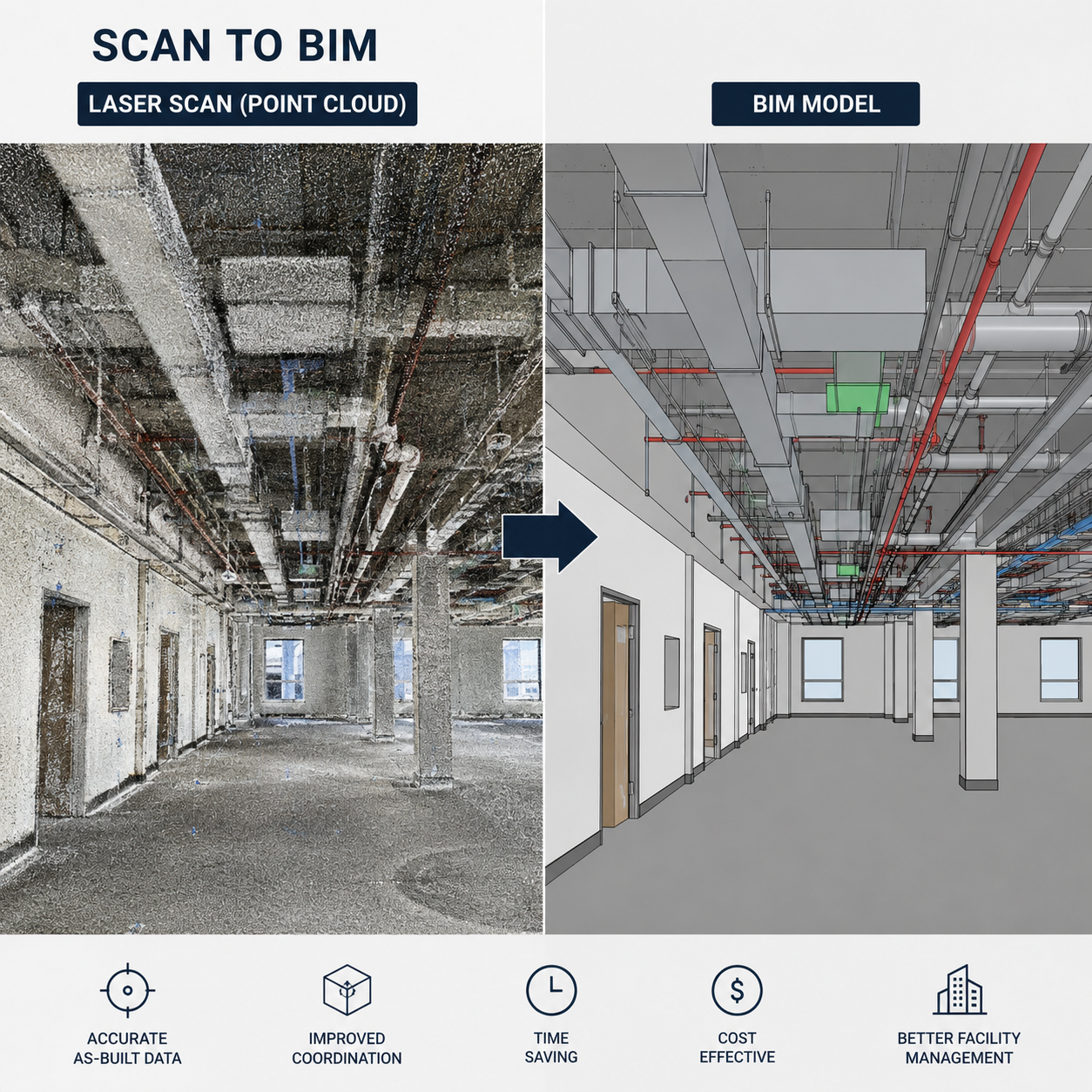
3D laser scanning uses terrestrial LiDAR technology to capture millions of spatial data points representing structural systems, piping, equipment, and utilities.
The result is a highly accurate digital representation of your facility.
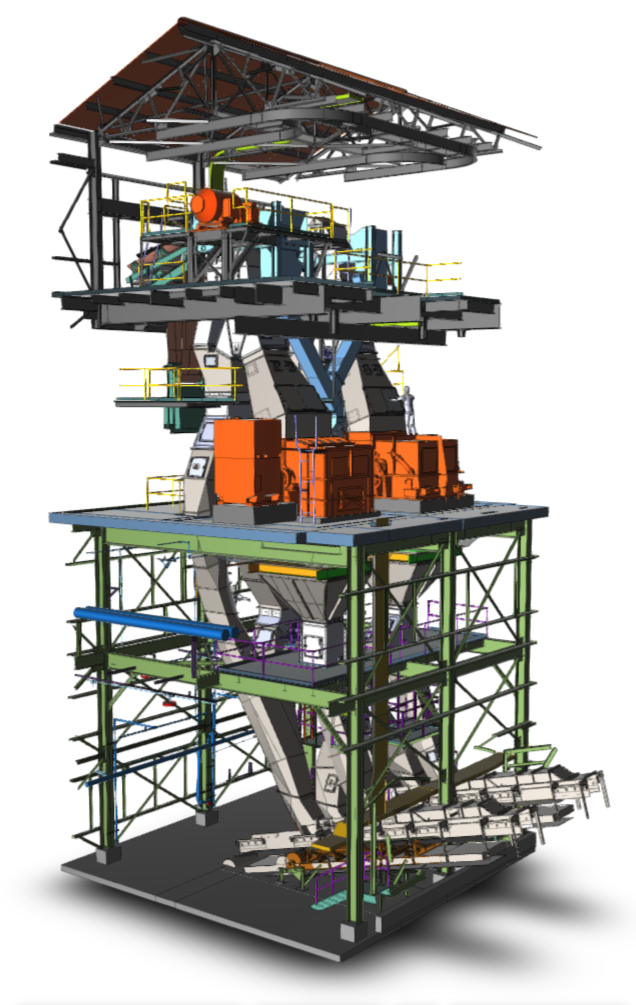
Deliverables can include:
The purpose is simple: eliminate uncertainty before physical work begins.
Most manufacturing facilities do not scan proactively. They scan reactively — after a delay, installation issue, or shutdown overrun.
The better question is not if scanning is needed, but when uncertainty becomes operational risk.
Below are the most common and highest-impact triggers.
Expansions in active facilities introduce structural, mechanical, and utility integration challenges.
Common risks include:
3D laser scanning provides a complete spatial baseline before engineering begins.
This enables:
Scanning prior to design reduces late-stage revisions and construction-phase adjustments.
Shutdown windows are finite and expensive.
Every additional hour extends production loss, labor cost, and restart risk.
3D laser scanning supports shutdown planning by:
Planning installs against real-world conditions — not outdated drawings — shortens execution windows.
For plants operating 24/7, this directly impacts profitability.
Equipment upgrades often assume dimensional compatibility with existing infrastructure.
In reality:
Scanning allows engineering teams to validate:
This reduces field modifications during install.
Brownfield environments present unique complexity:
Laser scanning captures current conditions without interrupting operations, providing a reliable basis for phased upgrades.
This is especially valuable when retrofitting production lines within tight footprints.
Many manufacturing facilities rely on drawings that are:
Without accurate documentation:
3D laser scanning creates a current-condition record that supports engineering, operations, and maintenance simultaneously.
Organizations managing multiple plants often pursue:
To compare facilities accurately, spatial data must be consistent.
Scanning establishes a uniform digital baseline across sites, enabling:
Lean manufacturing initiatives depend on efficient flow.
However, optimizing layout without precise spatial data can create downstream constraints.
Scanning supports:
Layout changes can be modeled before physical adjustments occur.
After near-miss incidents or regulatory findings, facilities often re-evaluate:
Laser scanning allows teams to assess and redesign with accurate measurements rather than assumptions.
During due diligence, understanding the true physical condition of a plant affects valuation and integration planning.
Scanning provides:
Accurate spatial intelligence reduces acquisition uncertainty.
👉 Learn more about core industries where AsBuilt performs industrial laser scanning and 3D modeling.
A manufacturing plant should strongly consider 3D laser scanning when:
If operational risk is high, documentation precision becomes strategic.
Professional industrial scanning typically achieves millimeter-level precision when executed properly.
Accuracy depends on:
Accuracy tolerances should be clearly defined prior to mobilization.
Cost varies based on:
Most industrial clients evaluate scanning cost against:
In high-output facilities, even minor schedule overruns can exceed scanning investment.
Beyond direct project overruns, incomplete existing condition data creates:
These soft costs accumulate over time and reduce capital efficiency.
In industrial environments, the cost of uncertainty is measurable.
3D laser scanning is often evaluated as an engineering expense.
In reality, it is a production risk control tool.
Below are conservative examples illustrating the financial impact of not capturing accurate existing conditions.
Plant profile:
During equipment installation, a utility conflict is discovered that was not reflected in legacy drawings. Field modification and rerouting add 6 additional hours.
Unplanned downtime cost:
6 hours × $75,000 = $450,000
Typical industrial laser scanning scope for the affected area:
$25,000–$60,000
Even at the high end, the scanning investment is less than 15% of the downtime loss.
A new production line requires prefabricated structural supports and piping assemblies.
Legacy drawings were used without validation. On install:
Rework impact:
Total impact: $150,000
Accurate laser scanning prior to fabrication would have validated dimensions before production.
A plant expansion requires tying into existing compressed air, chilled water, and electrical systems.
During tie-in, undocumented routing is discovered. Engineering redesign is required mid-project.
Impact:
Total impact: $355,000
Full-facility scanning prior to expansion planning:
$75,000–$150,000 depending on scope.
The scan becomes insurance against compounding redesign costs.
An enterprise rolls out standardized equipment across three facilities.
Measurements at each site were manually verified.
At one location, spatial constraints required structural reinforcement not accounted for in budget.
Impact:
Total impact: $275,000
Consistent, high-accuracy facility documentation across sites reduces variability in capital forecasting.
Industrial leaders can evaluate scanning investment using three variables:
If:
Then the risk-adjusted cost of not scanning typically exceeds the cost of scanning.
3D laser scanning does not generate revenue directly.
It protects revenue by:
In high-output manufacturing environments, avoiding a single disruption often justifies the entire investment.
👉 Learn more about how Reality Capture Decreases Risk and Boosts Efficiency
Industrial facilities are not commercial office buildings. They are regulated, high-risk, production-critical environments.
Selecting the wrong scanning provider does not just create inconvenience — it can create safety exposure, operational disruption, and costly rescanning.
Below are the criteria that separate professional industrial scanning partners from general scanning contractors.
Manufacturing plants operate under strict safety standards. Any external contractor must integrate seamlessly into those requirements.
Your scanning partner should demonstrate:
Scanning teams often work in:
A provider unfamiliar with industrial safety protocols introduces liability.
Minimum insurance standards should include:
Industrial facilities often require higher liability limits due to operational risk.
Request certificates of insurance and confirm coverage limits align with your internal risk management requirements.
There is a significant difference between scanning a vacant building and scanning an active manufacturing facility.
Industrial experience includes:
Experience in brownfield environments is critical. Documentation inconsistencies and undocumented modifications are common in industrial settings.
Some providers operate with a single scanner.
Industrial projects require more robust capability.
Evaluate:
Industrial plants are large and complex. A single-scanner operator may struggle with schedule compression or equipment failure.
Equipment redundancy reduces project risk.
Capturing scan data is only the first step.
Registration — aligning multiple scans into one unified dataset — determines overall accuracy.
Improper registration can lead to:
Registration requires:
Providers must be able to clearly explain:
If registration is poorly executed, the only solution is often to return and rescan — which delays engineering and increases cost.
Rescanning is not a minor inconvenience in industrial facilities.
It may require:
A qualified partner minimizes rescan risk by:
Once crews leave the site, returning can be expensive and operationally disruptive.
Manufacturers operating multiple facilities require consistent documentation standards.
Your partner should demonstrate:
Consistency across plants improves capital planning and reduces variability in execution.
Industrial stakeholders need clarity on:
Ambiguity in deliverables leads to downstream confusion and reduced value.
Professional partners define scope precisely before mobilization.
Industrial laser scanning is not simply pressing a button on a scanner.
It requires:
Errors in capture or registration are not immediately obvious — but they surface later during engineering or installation.
At that point, the cost of correction is significantly higher.
In manufacturing environments, the right partner protects production continuity, safety compliance, and capital efficiency.
Manufacturing operations are increasingly data-driven. Production systems, maintenance platforms, and quality controls are digitized.
Facility data should be no different.
Accurate spatial documentation supports:
Without current facility data, every expansion or retrofit begins with uncertainty.
With accurate digital facility documentation, upgrades are executed against verified conditions — improving predictability across engineering, operations, and finance.
For modern manufacturers, spatial data is operational infrastructure.
In industrial environments, uncertainty is expensive.
Unverified dimensions extend shutdowns.
Incomplete documentation increases contingency budgets.
Assumptions introduce schedule risk.
3D laser scanning does not eliminate operational complexity — but it removes one of the largest variables: inaccurate existing conditions.
When downtime costs exceed tens or hundreds of thousands per hour, precision is not optional.
Accurate facility documentation protects production continuity, capital efficiency, and strategic growth.

Each project represents our commitment to accuracy and technical excellence

Talk with our team about your facility, scope, and objectives to determine the right capture, modeling, and analysis approach.