

Engineering costs rarely spiral because firms over-engineer solutions. They escalate because teams are forced to redesign, rework, and react to conditions that should have been known earlier.
The fastest way to reduce engineering cost isn’t working cheaper. It’s starting smarter.
Most cost overruns don’t come from original design effort. They come from:
These problems are not caused by poor engineering. They’re caused by engineers being asked to design with incomplete or unreliable information.
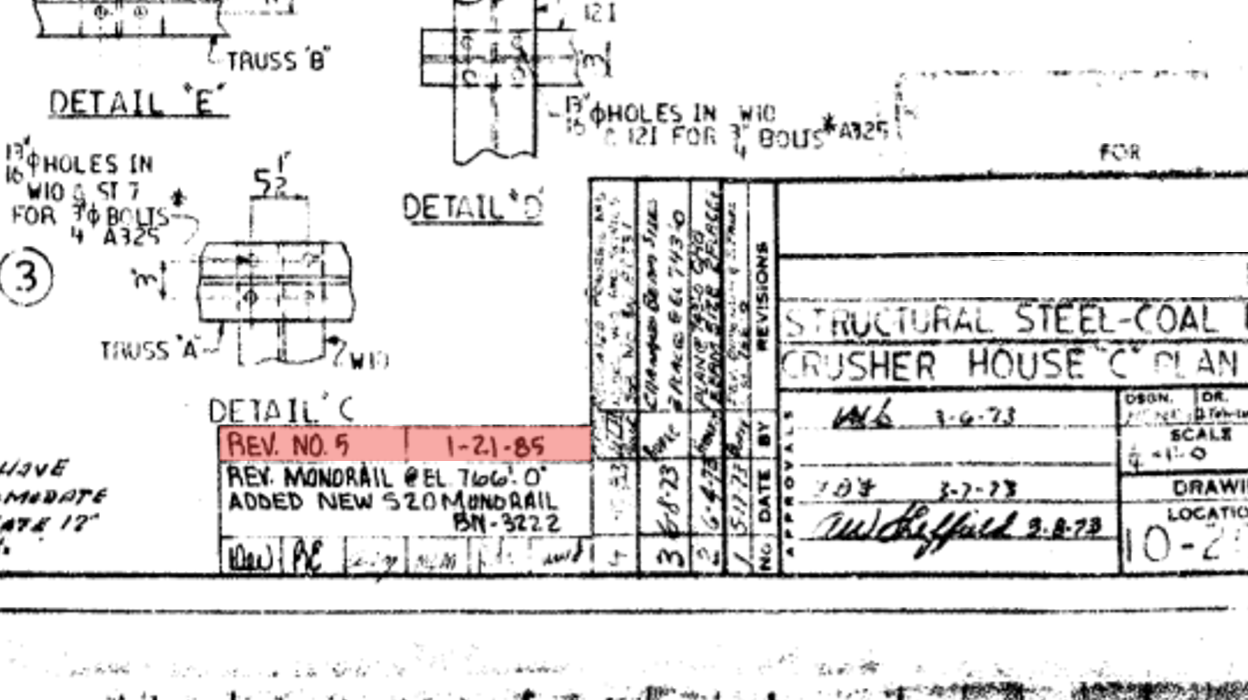
Legacy drawings, partial field verification, and best-guess measurements are still common starting points—especially in retrofit and brownfield projects.
Every assumption baked into early design work carries downstream risk. When those assumptions are proven wrong, engineering teams are forced back into reactive mode, burning hours that were never in the original budget.
This is where margins disappear.
A more effective approach is to reduce uncertainty before design begins.
Accurate existing-condition data allows engineering teams to:
Upfront clarity shortens design timelines not by rushing work, but by eliminating avoidable revisions.
Engineering cost is not just hours logged. It includes:
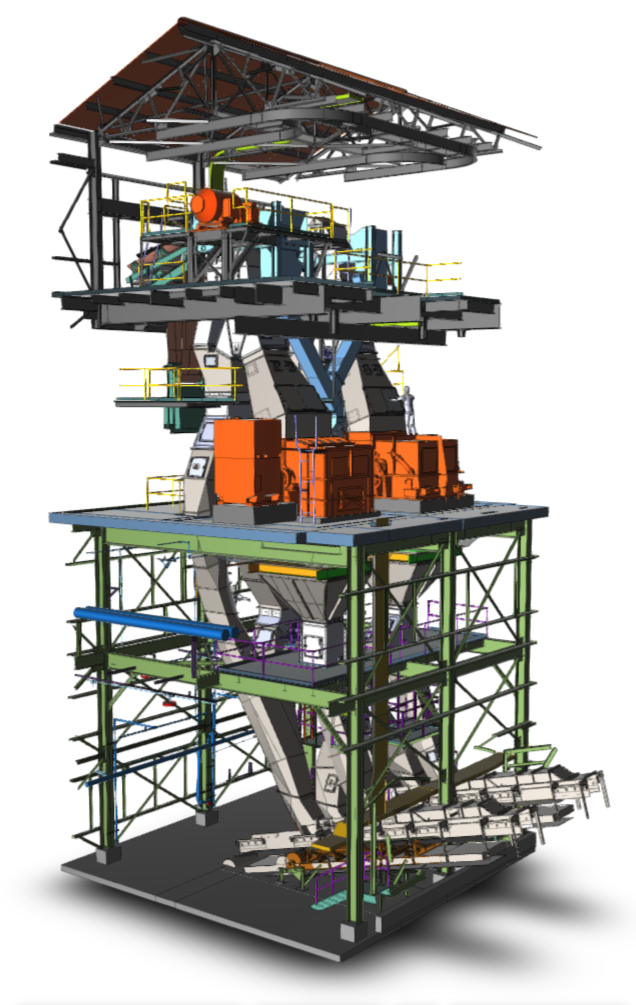
When engineers start with verified as-built data, design decisions stick. That stability reduces internal churn and external friction across the project lifecycle.
Reducing engineering cost isn’t about pushing teams harder or cutting scope. It’s about giving engineers the information they need to get it right the first time.
Projects that begin with accurate existing-condition data consistently experience:
That’s not a process improvement. It’s a structural advantage.
Engineering firms don’t control every variable on a project. But they do control how much uncertainty they accept at the start.
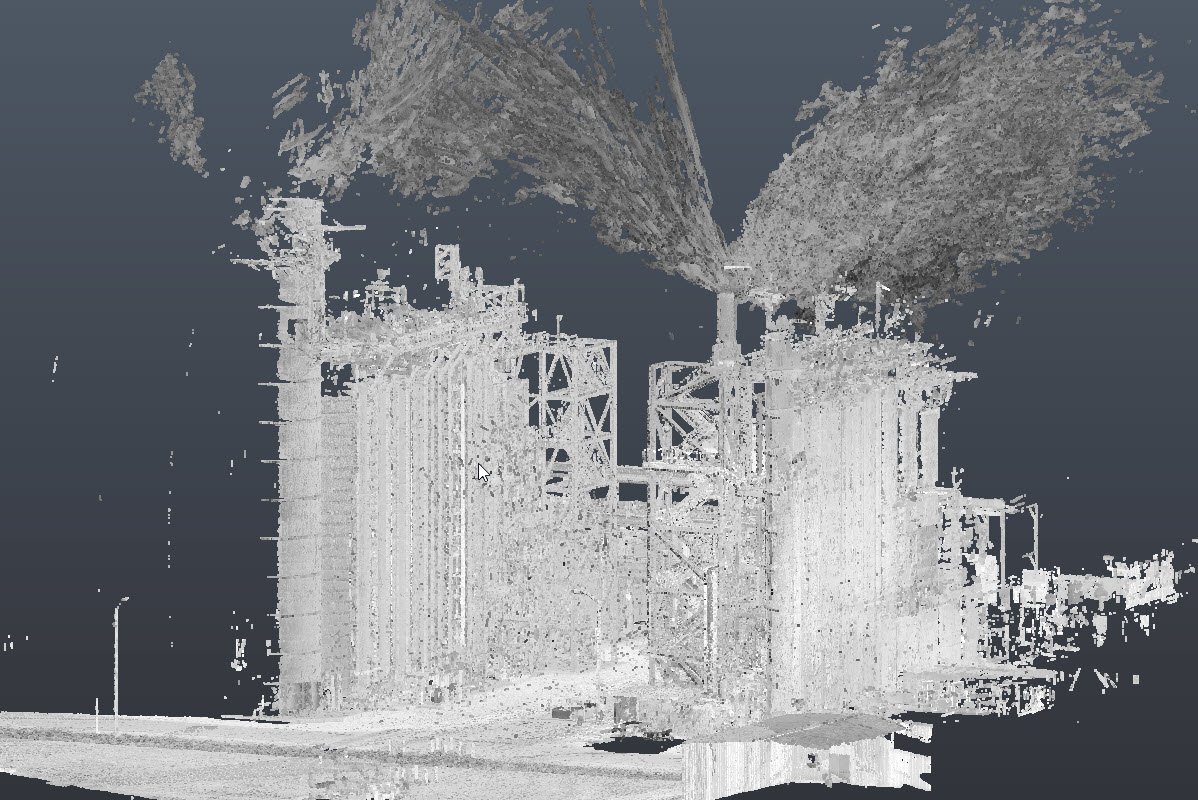
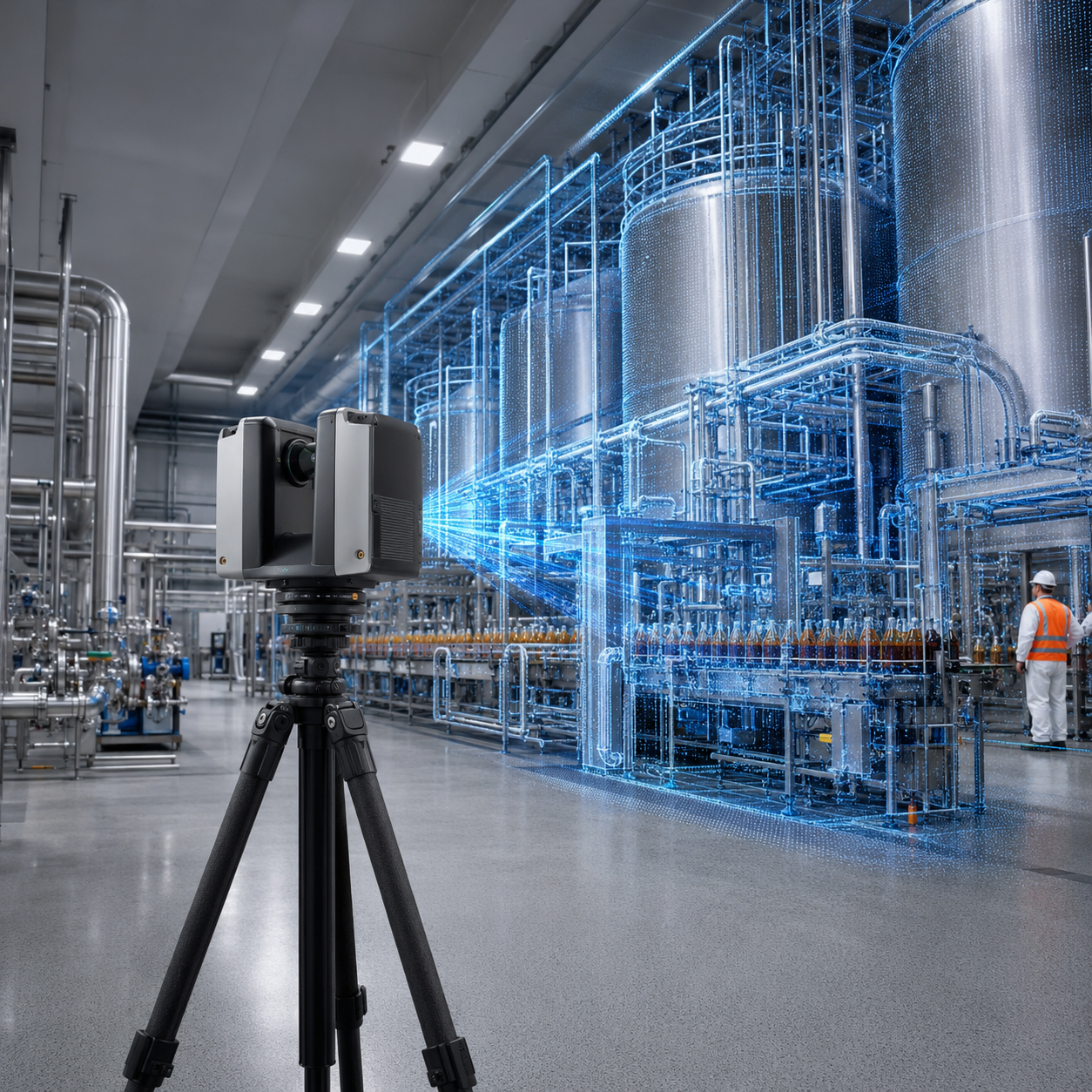
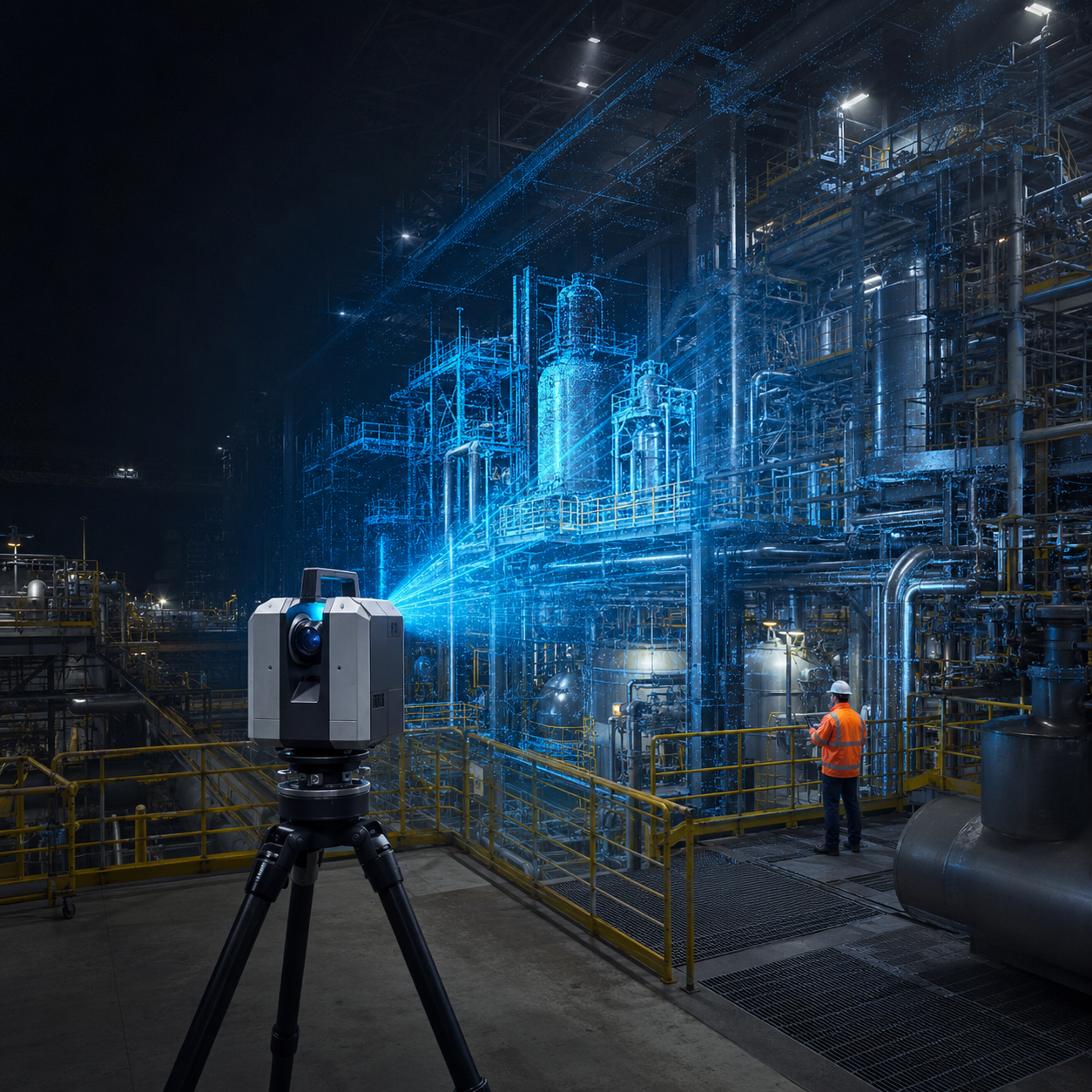
Reducing engineering cost starts with reducing guesswork. And the most reliable way to do that is to begin every project with verified, real-world data, collected from 3D scanning the as-built environment.
Want to learn more? Contact an AsBuilt scan engineer to learn how you can reduce costs with AsBuilt.
Each project represents our commitment to accuracy and technical excellence


Talk with our team about your facility, scope, and objectives to determine the right capture, modeling, and analysis approach.