
Control change with verified site data
AsBuilt supports Management of Change by capturing and validating real-world conditions before and after modifications—so changes are evaluated against what actually exists, not outdated drawings or assumptions.
Management of Change grounded in verified conditions
Management of Change only works when decisions are based on what actually exists in the field. Relying on legacy drawings, redlines, or incomplete records introduces risk instead of reducing it.
AsBuilt supports MOC workflows by capturing accurate existing conditions before changes occur and validating conditions after modifications are complete. Using high-resolution 3D scanning, updated models, and precise documentation, we provide a reliable baseline for evaluating proposed changes and verifying compliance.
Our team works alongside engineering, operations, and safety stakeholders to ensure physical changes, system updates, and equipment modifications are properly documented, reviewed, and recorded. The result is a clear, auditable record that supports safer decisions, smoother approvals, and long-term facility integrity.
When Management of Change is required
Management of Change is critical whenever physical, operational, or system-level changes could impact safety, compliance, or long-term facility performance. Accurate existing-condition data ensures changes are evaluated against reality—not outdated documentation.
Equipment replacements, upgrades, or relocations
Process or piping modifications
Structural or layout changes within active facilities
Tie-ins, expansions, or phased construction work
Updates requiring regulatory, safety, or operational approval
Deliverables that support compliant, auditable change management
Accurate, up-to-date documentation created from verified site conditions—designed to support MOC reviews, approvals, and long-term facility records.
Verified existing-condition scan data
High-accuracy 3D scan data capturing conditions before and after changes, providing an objective record of what existed and what was modified.
Updated 3D models
Revised models reflecting approved changes, aligned to actual field conditions and suitable for engineering, coordination, and future planning.
Updated 2D drawings
Current, field-verified drawings incorporating approved modifications, replacing redlines and legacy documentation.
Change documentation packages
Clear documentation supporting MOC review and approval processes, including visuals that illustrate scope, impact, and final conditions.
Industry-standard file formats
Deliverables provided in formats compatible with engineering, operations, and document management systems.
From proposed change to verified conditions
A structured, data-driven approach that ensures changes are reviewed, approved, and recorded against real conditions.
Establish the change baseline
We capture accurate existing conditions before changes occur, creating a reliable baseline for evaluating scope, impact, and risk.
Support change evaluation and approval
Scan data, models, and drawings are used to assess proposed modifications, support reviews, and document decisions within the MOC process.
Validate post-change conditions
After changes are implemented, we re-capture and update records to confirm work was completed as approved and documentation reflects reality.
Outcomes enabled by effective Management of Change
Practical results that reduce operational risk, support compliance, and keep facility records trustworthy over time.
Reduce safety and operational risk
Evaluate changes against verified existing conditions to identify impacts early and avoid unintended consequences in active facilities.
Support confident approvals and audits
Provide clear, defensible documentation that supports MOC reviews, regulatory requirements, and internal audits.
Keep records accurate and current
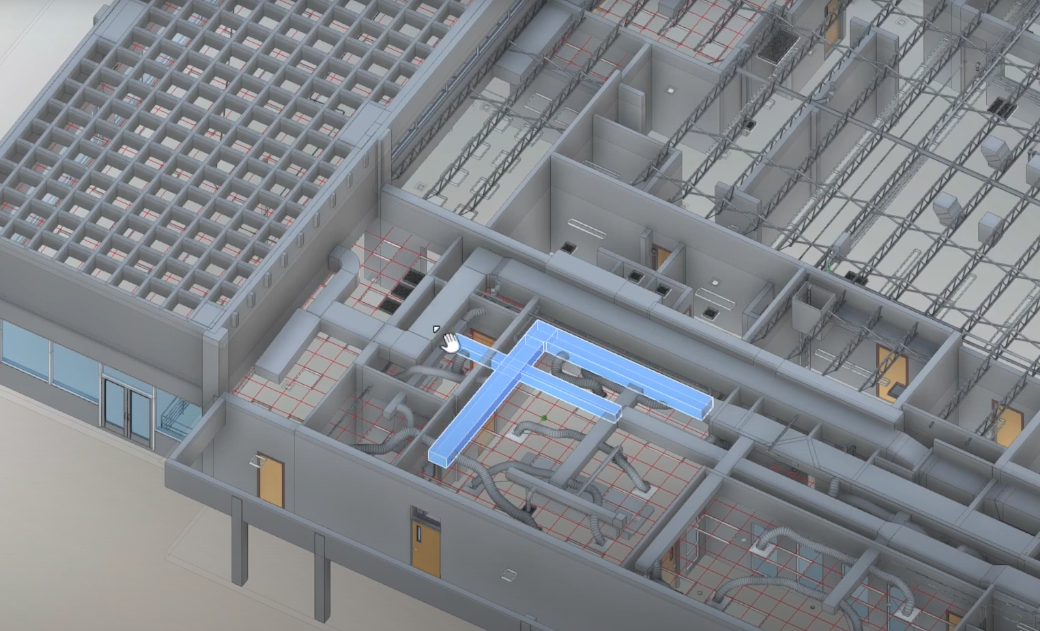
Replace redlines and outdated drawings with verified models and drawings that reflect what was actually changed and installed.
Enable future changes with confidence
Maintain a trusted baseline of existing conditions so future modifications start from accurate, up-to-date information.
Start with accurate data you can trust
Talk with our team about your facility, scope, and objectives to determine the right capture, modeling, and analysis approach.