
The Challenge
A manufacturing client was preparing for a major facility upgrade but lacked accurate, up-to-date drawings of its aging plant. Decades of modifications to the cold repair furnace, batch house, and charging areas had not been fully documented, creating uncertainty for engineering and modernization planning.
The absence of reliable as-built documentation posed several risks:
- Inaccurate equipment layouts
- Undocumented structural modifications
- Unknown utility routing
- Potential clashes during upgrade design
- Increased likelihood of field rework
To support capital improvements, the client required precise documentation of existing conditions.
The Solution
Comprehensive 3D Laser Scanning
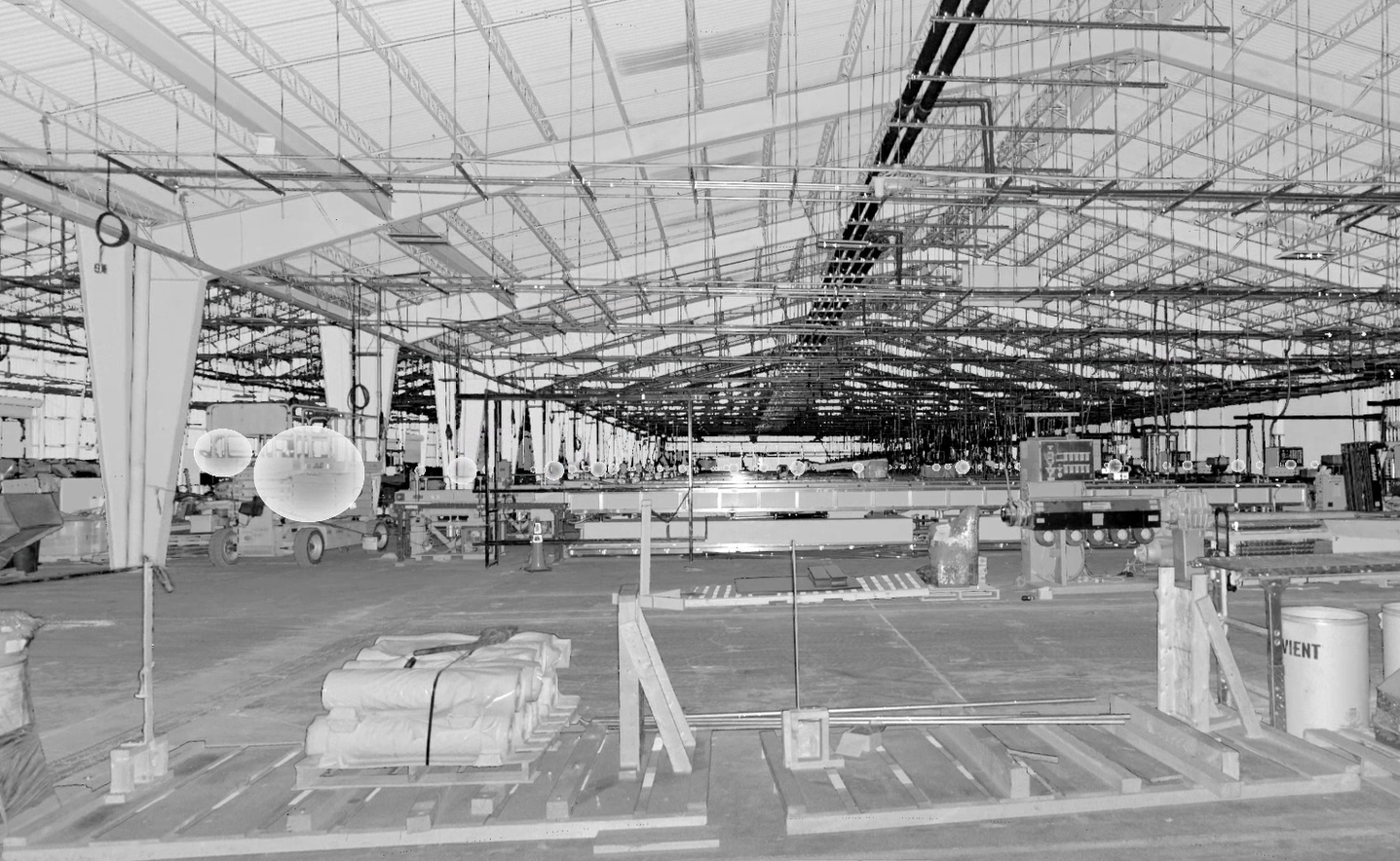
AsBuilt performed high-resolution terrestrial laser scanning (LiDAR) of the cold repair furnace area, including:
- Furnace structure and components
- Batch house systems
- Charging areas
- Structural steel and platforms
- Adjacent equipment and utilities
The scan captured complete spatial relationships across interconnected production zones.
Point Cloud Processing & 3D Modeling
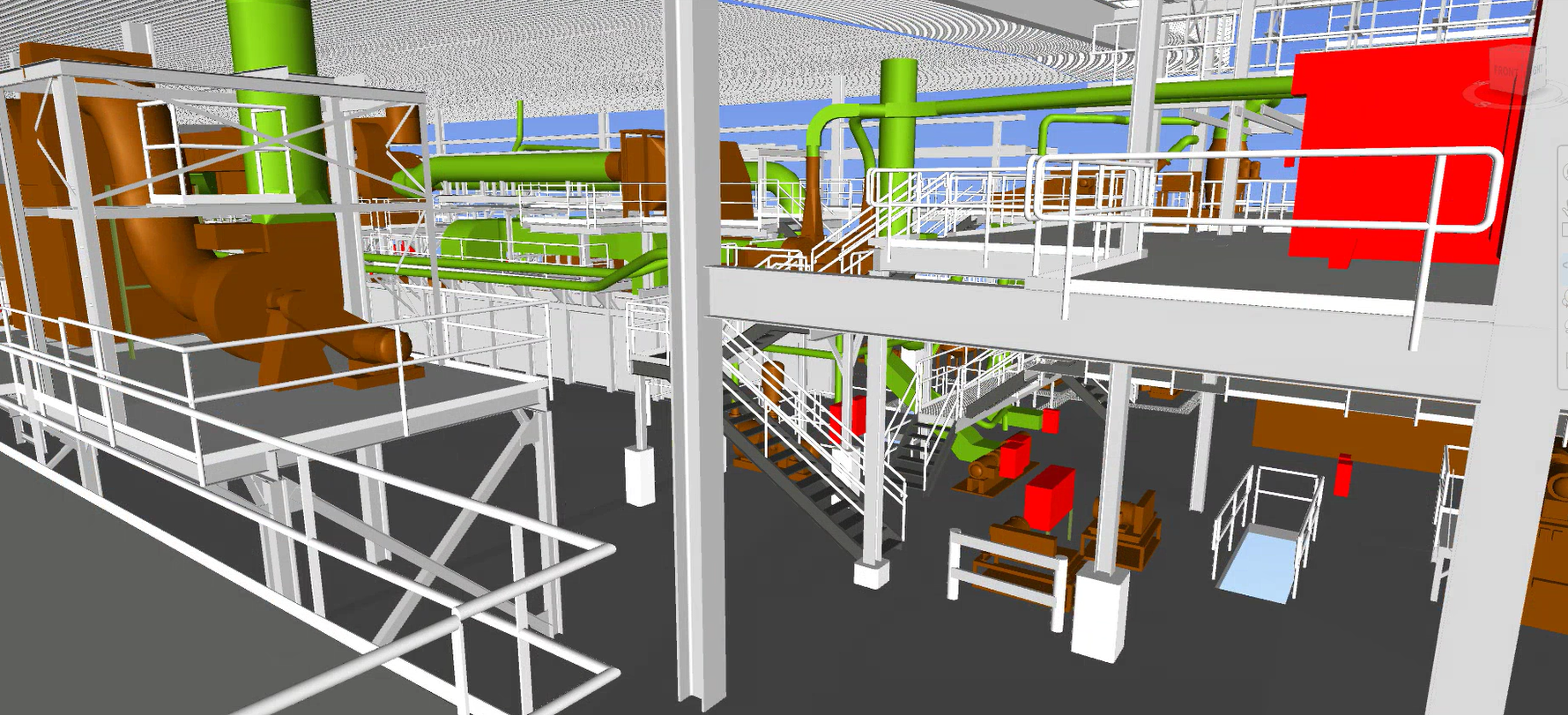
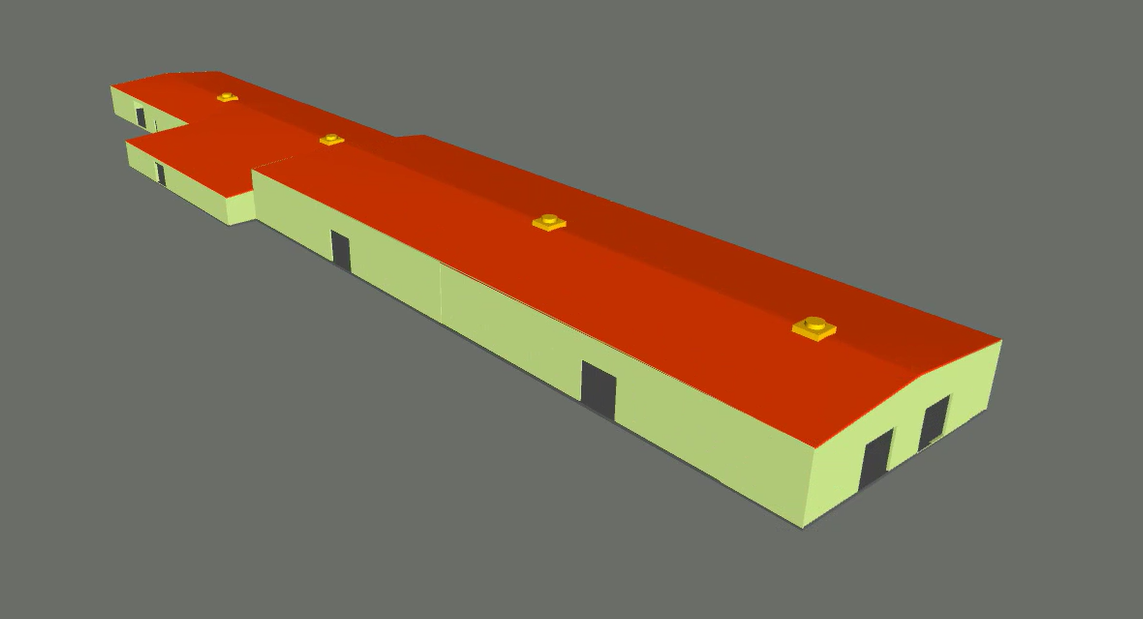
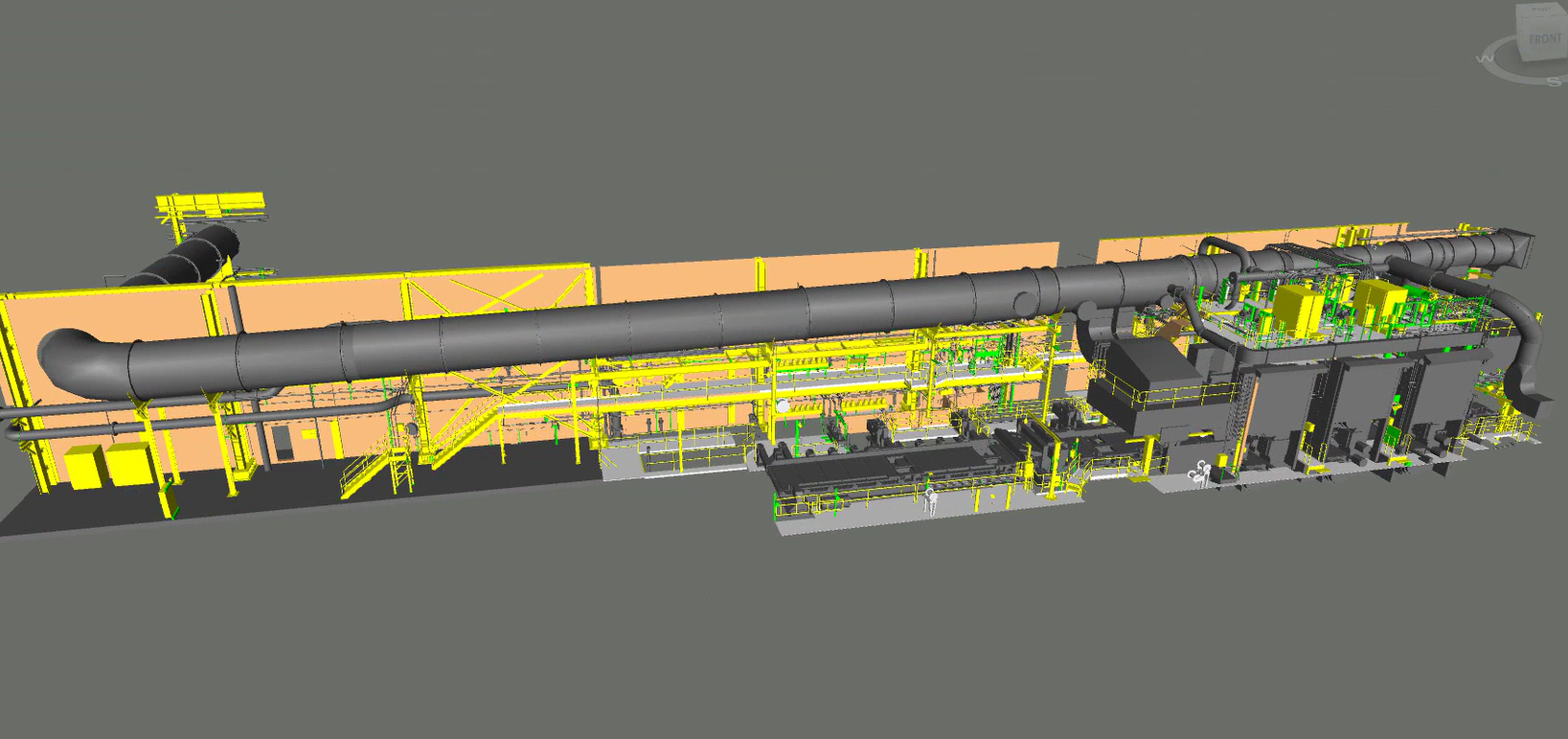
Following data acquisition, the scan data was registered and post-processed into a quality-checked point cloud. This dataset was then used to develop a detailed 3D as-built model (DWG format) representing:
- Structural framing
- Furnace systems
- Major equipment
- Utilities and access structures
The resulting model provided an accurate digital representation of existing conditions, enabling engineering teams to plan facility upgrades with confidence.
Deliverables
- Raw laser scan data (Recap format)
- Post-processed, registered point cloud
- Photorealistic 3D visualization
- 3D as-built model (DWG)
Results & Impact
The project delivered engineering-grade digital documentation of the cold repair furnace and surrounding production areas. By leveraging 3D laser scanning and modeling, AsBuilt reduced uncertainty, supported upgrade planning, and provided a reliable foundation for future facility improvements.