The Challenge
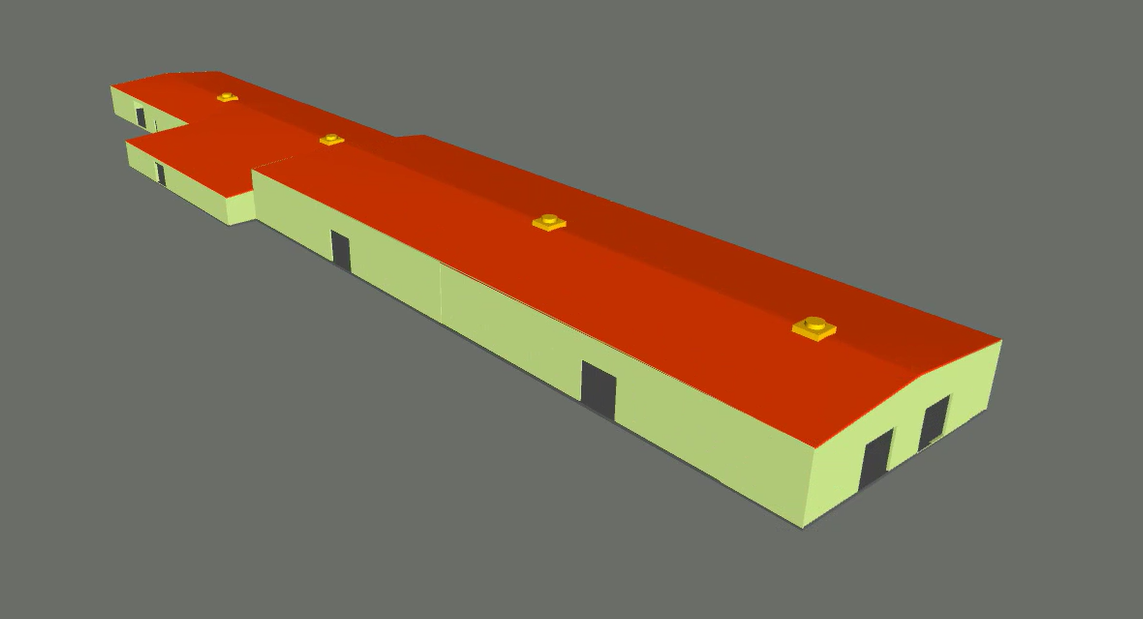
A manufacturing facility was scheduled to replace three large presses as part of a significant capital equipment upgrade. The existing conditions of the space were not well documented, and the facility lacked current drawings or usable 3D models. Over time, undocumented modifications had created uncertainty around equipment clearances, pit conditions, and installation constraints—introducing risk to both schedule and safety.
Accurate, reliable as-built data was required before removal and installation activities could begin.
The Solution
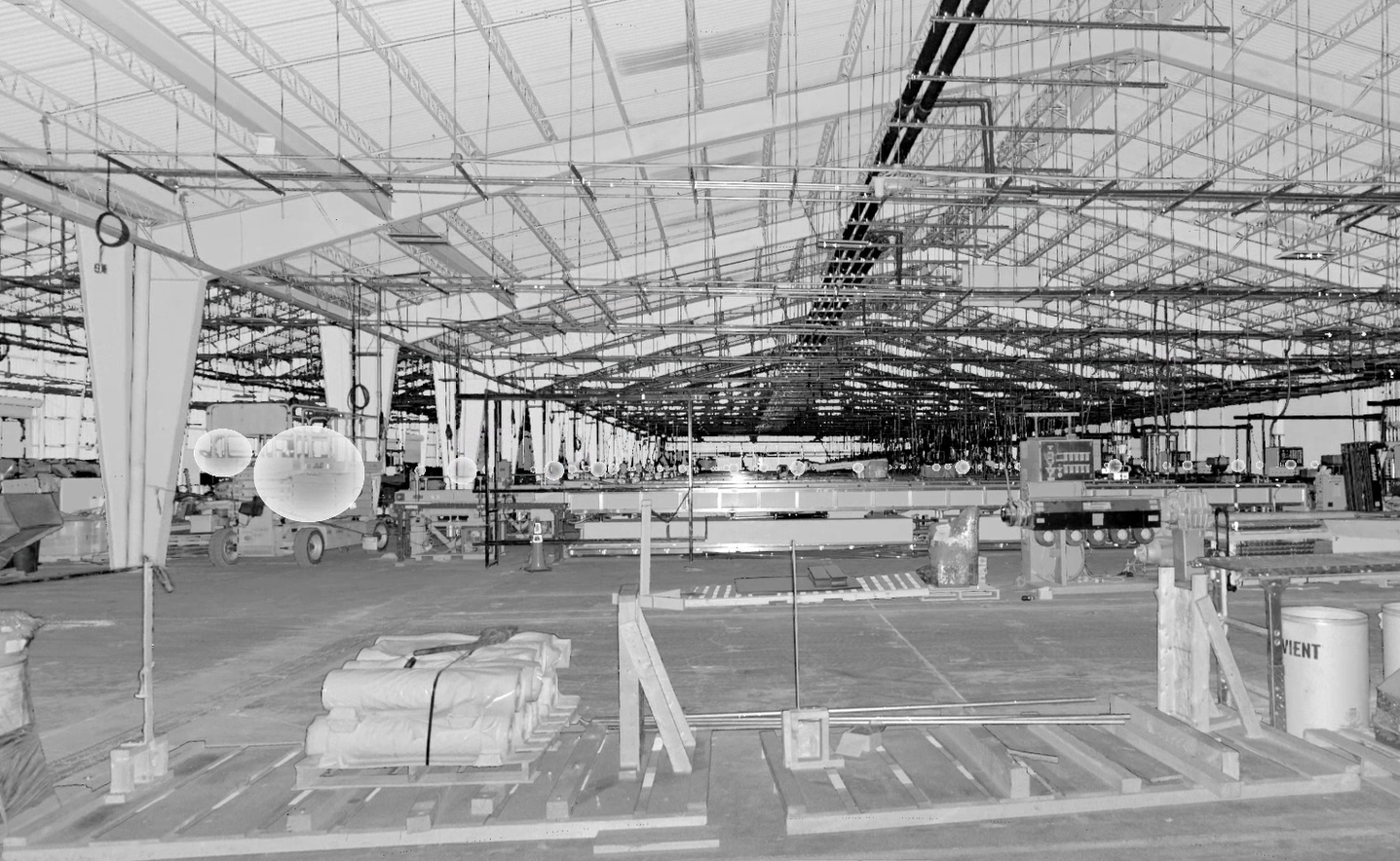
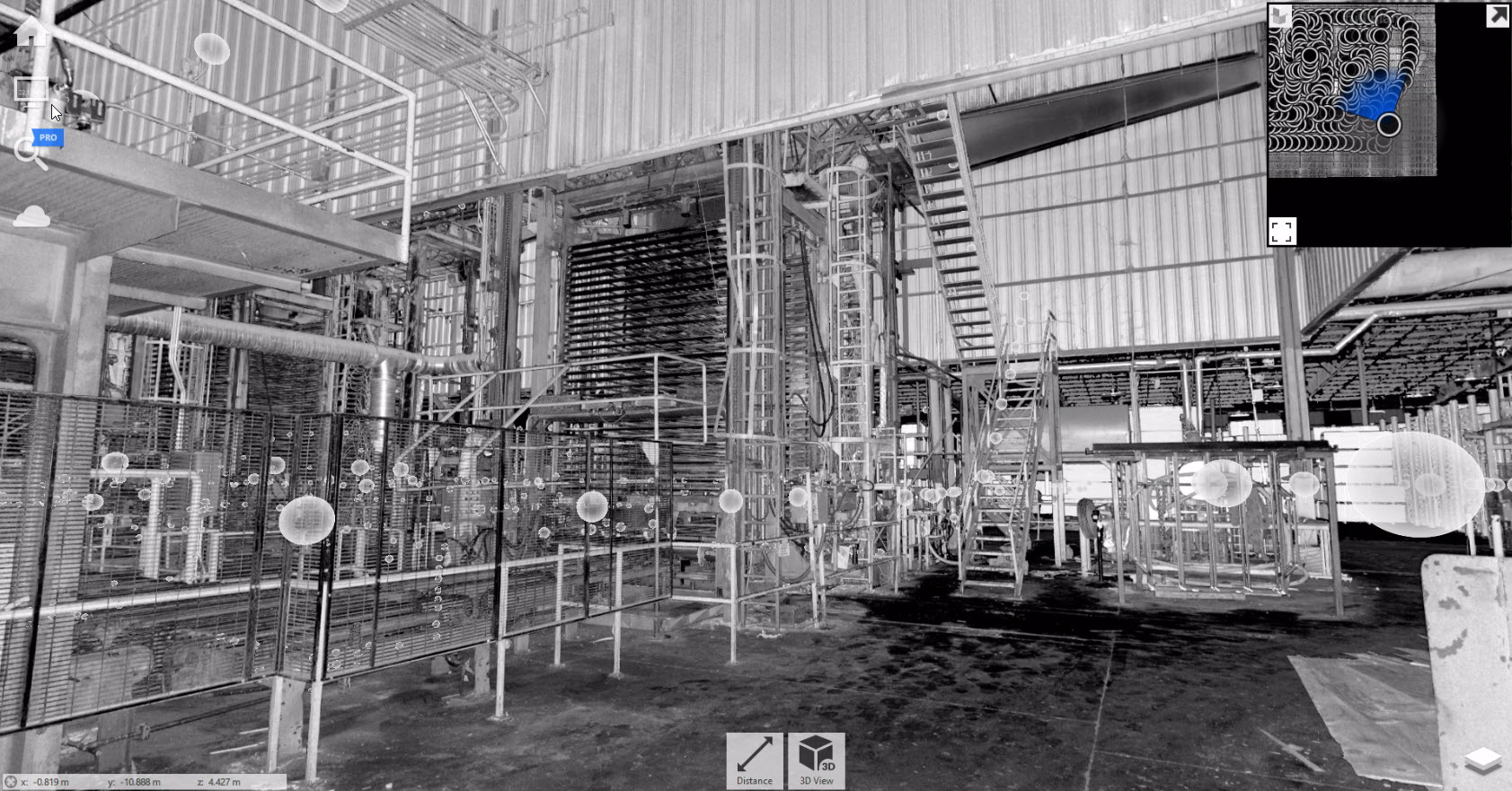
AsBuilt deployed 3D laser scanning to capture the full as-is condition of the press areas. Scanning was performed at multiple elevations—including grade level, elevated positions, and below-grade pit areas—to ensure complete spatial coverage.
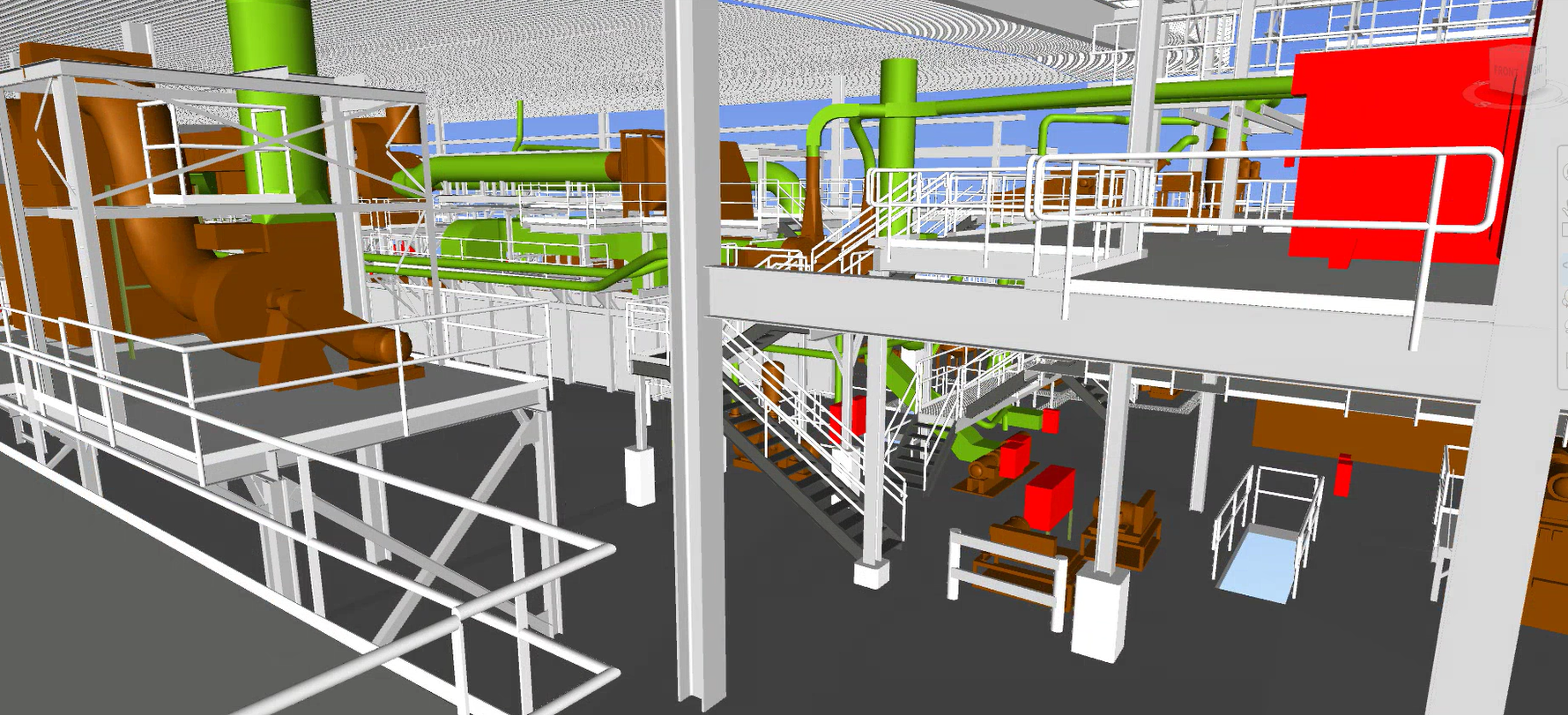
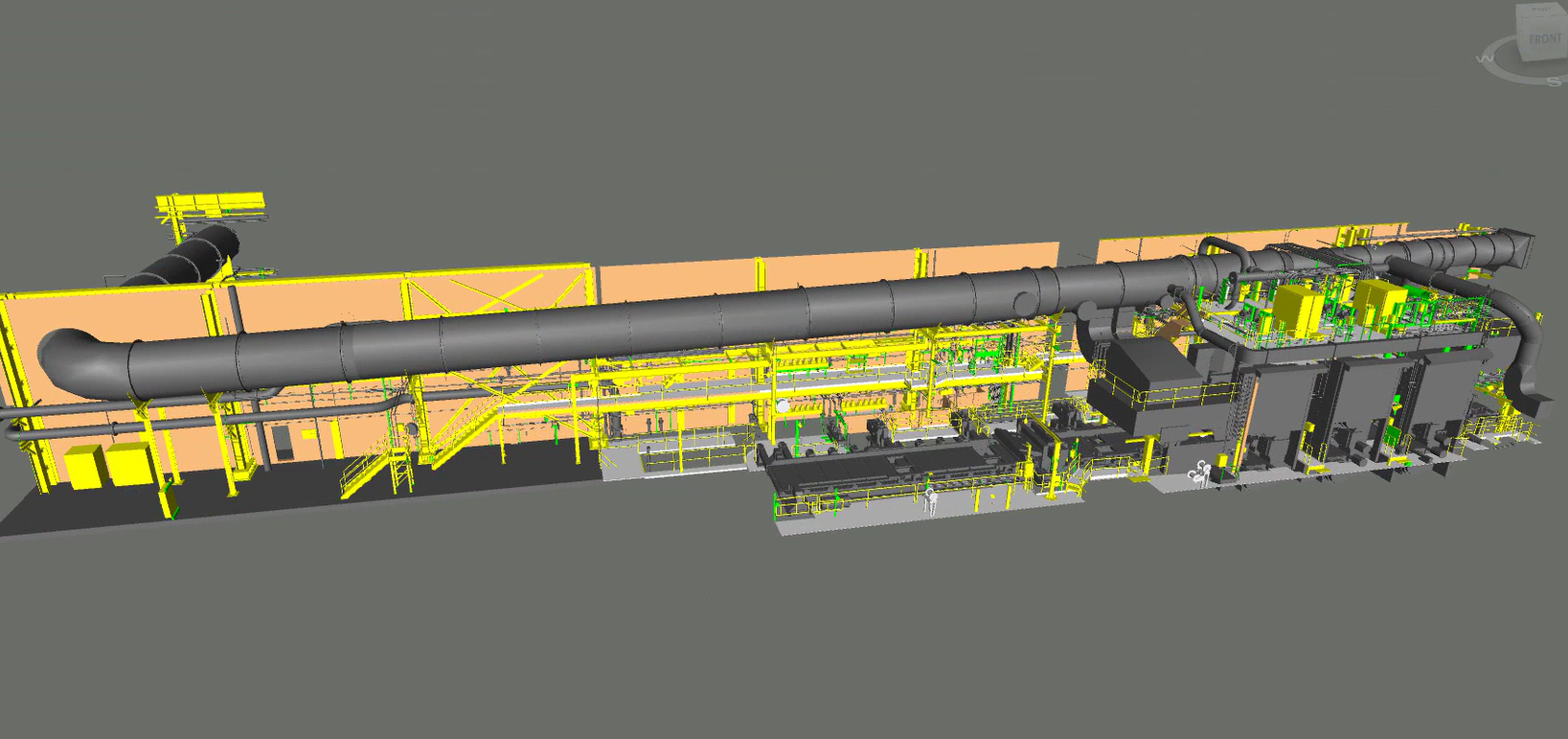
The scan data was processed into a high-fidelity 3D model, providing a single, accurate source of truth for engineers, contractors, and installation teams. New press equipment models were then overlaid directly into the point cloud environment to validate placement, clearances, and interfaces before any physical work began.
Key Outcomes
- Accurate As-Built Documentation
The facility moved from having no reliable drawings to a fully navigable 3D model representing current conditions. - Above and Below-Grade Visualization
Pit areas, foundations, and elevated structures were captured and reviewed together, enabling better understanding of vertical constraints. - Improved Installation Planning
Contractors planned removal and installation sequences in 3D, reducing field rework and improving crew safety. - Early Clash Detection
New equipment models were reviewed within the existing environment to identify conflicts before installation.
Deliverables
- Registered 3D Point Cloud
- Navisworks 3D Model
- Clash Detection Support
Why It Matters
For capital equipment upgrades, outdated or incomplete drawings introduce unnecessary risk. By establishing accurate as-built conditions upfront, AsBuilt enabled confident decision-making, reduced installation uncertainty, and supported a safer, more efficient upgrade process.