.gif)
The Challenge
A 100-year-old hospital required critical upgrades to its chiller systems and associated mechanical piping. Over decades of renovations and field modifications, much of the piping, conduit, and equipment had been routed without formal as-built documentation. As a result, the facility lacked reliable drawings to support modernization efforts.
The project faced several constraints:
- Congested mechanical rooms with undocumented routing
- Active healthcare environment requiring minimal disruption
- Limited access windows for site work
- High risk of clashes during new equipment installation
- Need for precise equipment placement within tight clearances
Traditional field verification methods would have been time-intensive, disruptive, and prone to error.
The Solution
High-Precision 3D Laser Scanning
AsBuilt deployed terrestrial laser scanning (LiDAR) to capture detailed as-is conditions within the hospital’s mechanical rooms. The scan documented:
- Existing chillers and support systems
- Piping networks and tie-in points
- Conduit and utilities
- Structural elements and ceiling constraints
- Floor elevations and spatial clearances
Following data capture, the scans were processed into a registered point cloud, forming a highly accurate digital representation of the facility.
3D Modeling & Design Coordination
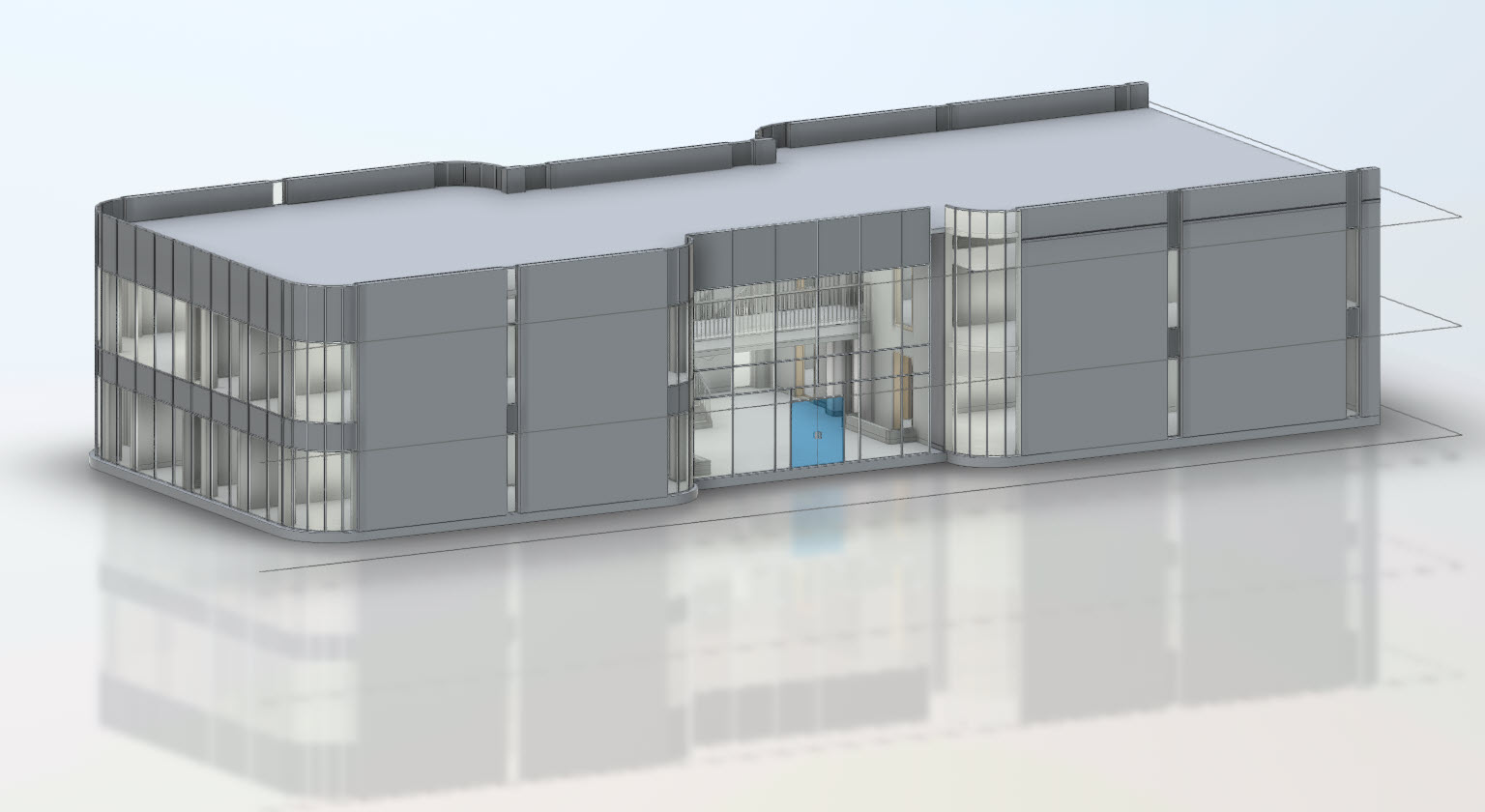
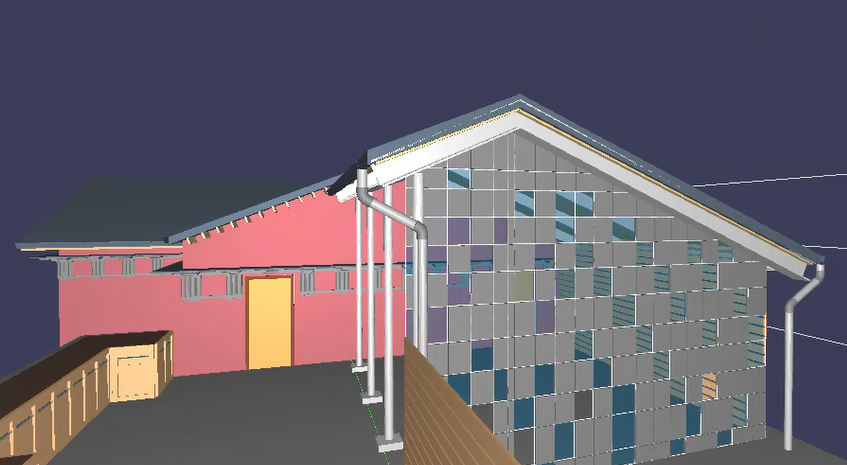
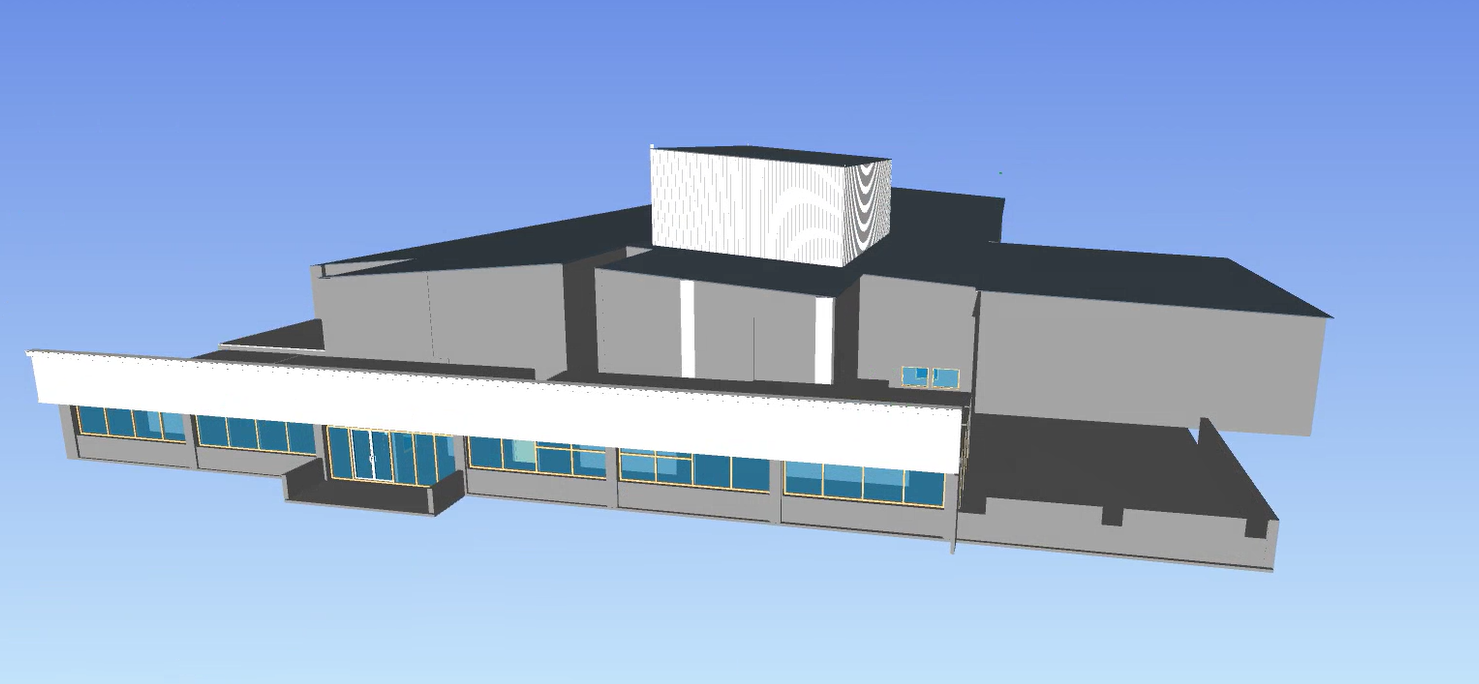
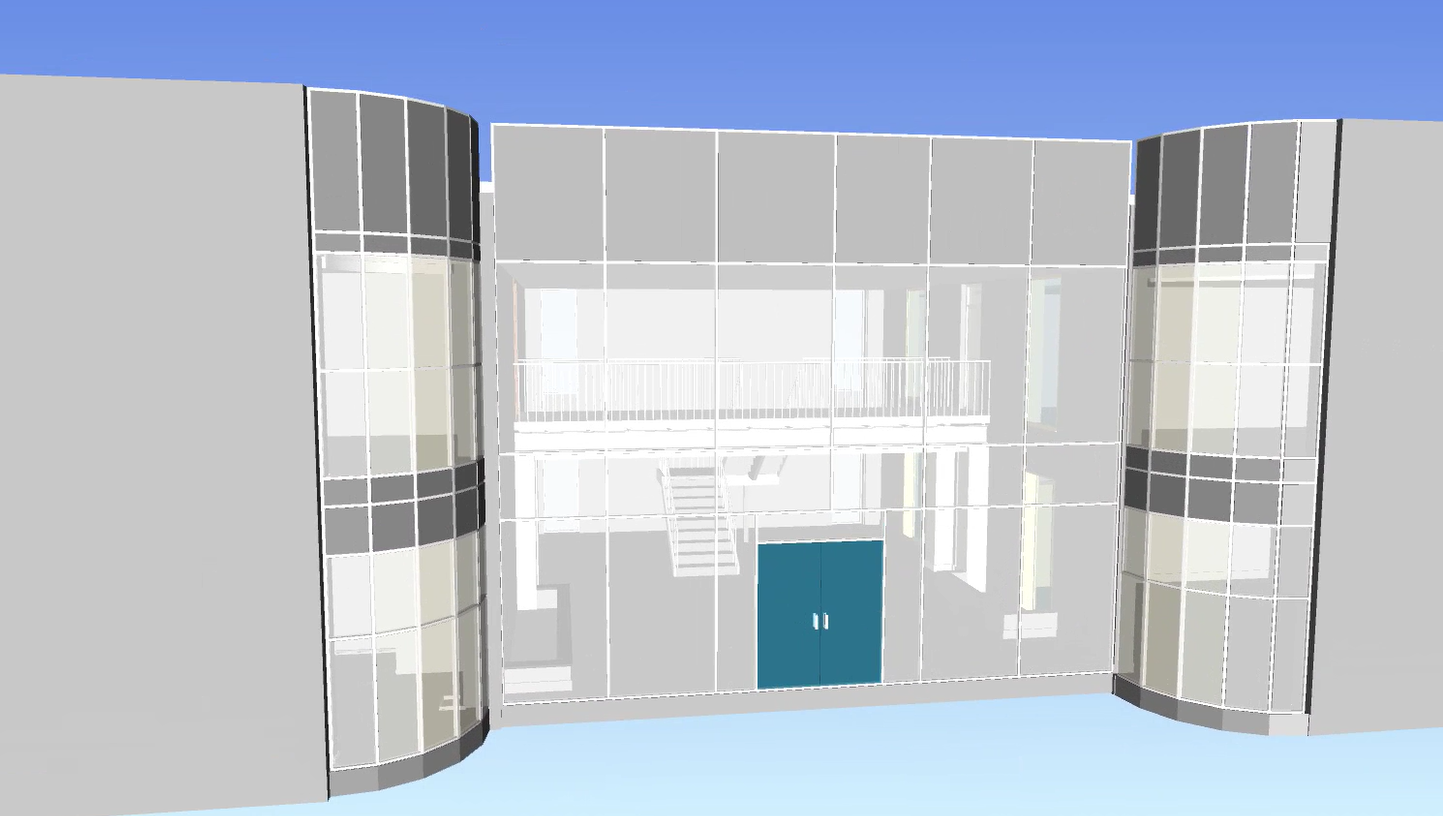
Using the processed scan data, AsBuilt developed a detailed Navisworks 3D model to serve as a design background for the upgrade.
This enabled:
- Virtual placement of new chillers
- Optimized pipe routing
- Clearance verification
- Comprehensive clash detection
- Coordination between engineering and installation teams
All new equipment and piping were positioned digitally prior to fabrication and installation, reducing uncertainty and construction risk.
Quick Facts
Captured During COVID
AsBuilt deployed a single technician for one extended day of scanning, minimizing on-site personnel, eliminating return visits, and reducing contact with hospital staff.
Precise Equipment Placement
New chillers and piping were modeled and routed virtually to prevent interference with existing infrastructure.
Reduced Timeline
In one day of scanning, AsBuilt captured more accurate data than traditional manual methods could achieve over extended field investigations.
Zero Rework
After virtual design coordination and clash detection, the installation was completed without rework—improving contractor margins and reducing time spent onsite.
Deliverables
- Registered point cloud
- Navisworks 3D model
- Clash detection analysis
Results & Impact
The project delivered accurate digital documentation for a century-old healthcare facility, enabling a seamless chiller and piping upgrade in a highly constrained environment. By leveraging 3D laser scanning and model-based coordination, the team eliminated rework, shortened the project timeline, and improved installation efficiency within an active hospital setting.