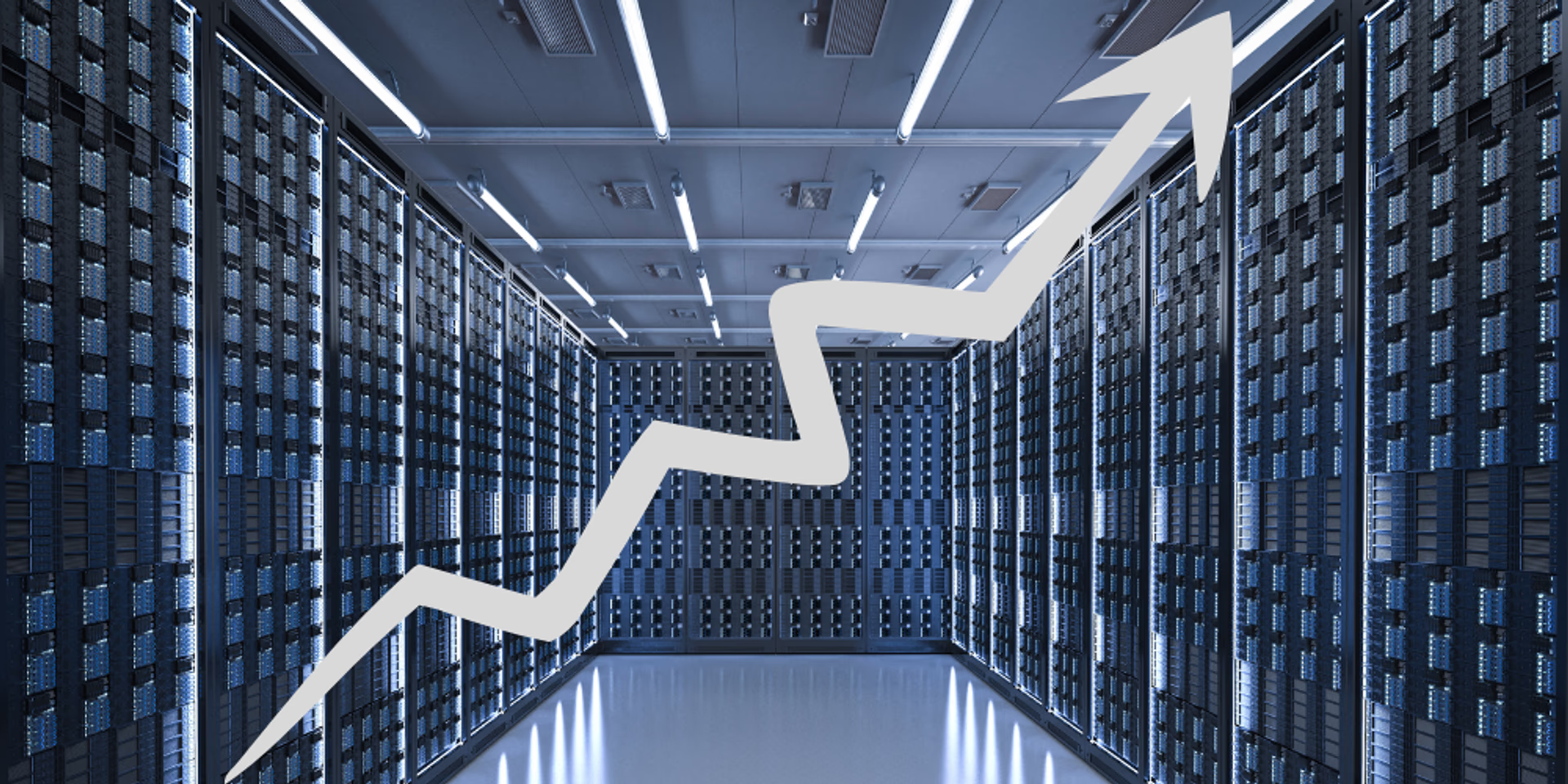
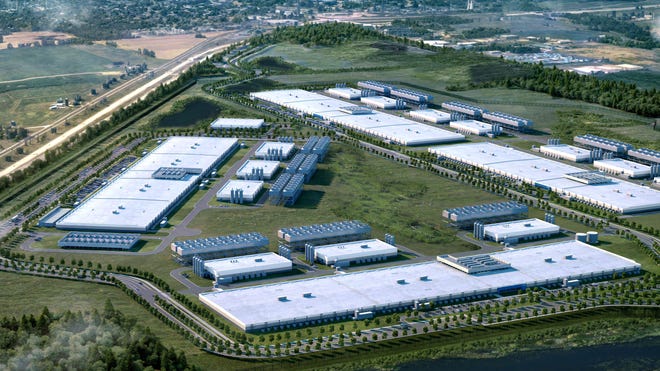
Data center construction is no longer a niche market. It is one of the fastest-growing and most capital-intensive segments in construction today, driven by AI workloads, cloud adoption, and power-hungry compute infrastructure.
For companies selling into data centers and construction teams competing to win data center projects, the message is clear: uncertainty kills schedules, margins, and credibility. Scan-based as-built drawings have become a competitive advantage, not a nice-to-have.
North American data center markets are operating at near-record demand levels:
This combination of low vacancy, high capital cost, and compressed delivery timelines means owners and EPCs are prioritizing teams that can reduce risk and deliver predictability.
Primary U.S. data center markets are operating at historically low vacancy rates while still adding record levels of new capacity, according to recent market data from CBRE.
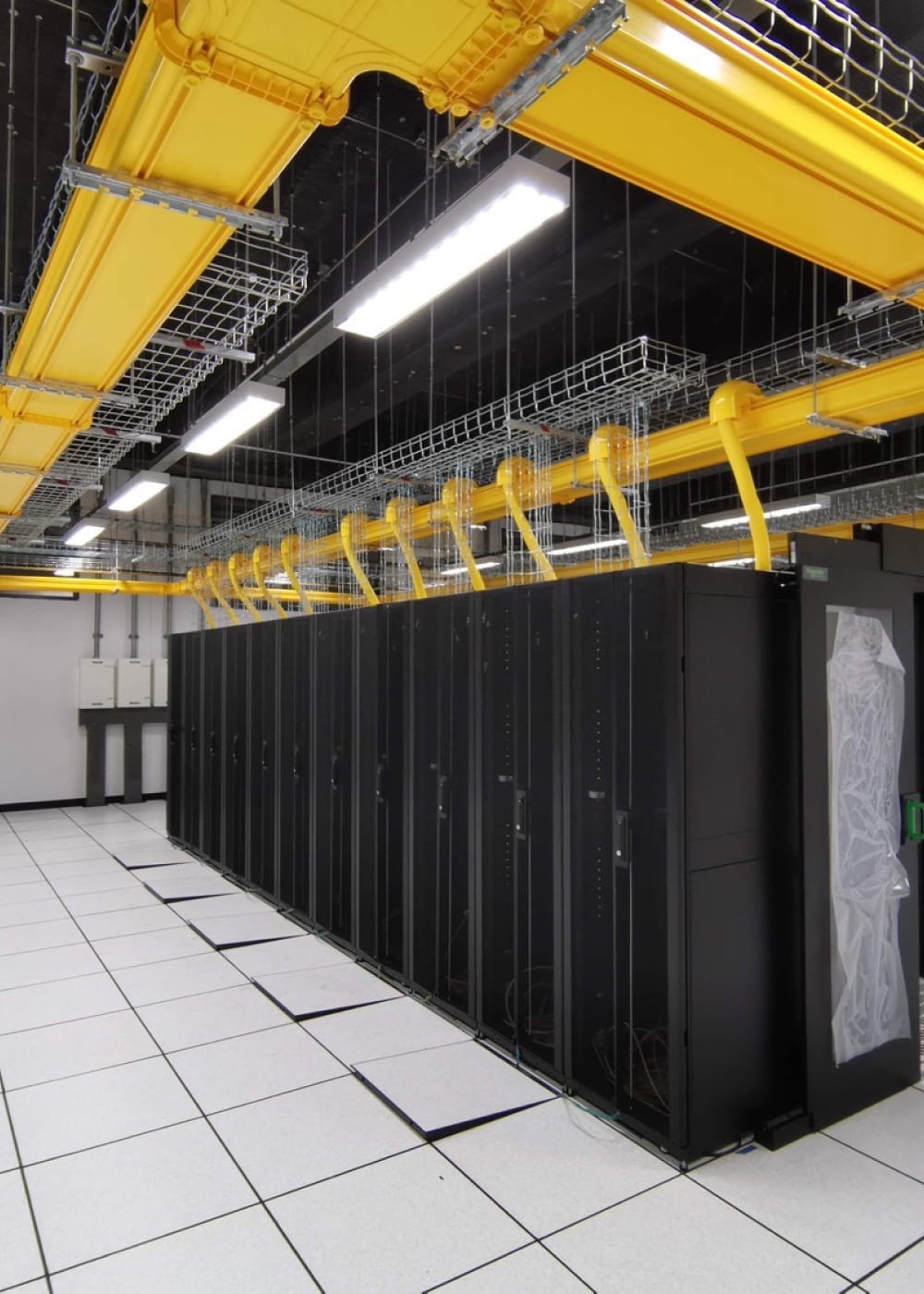
Data centers are not typical commercial buildings. They are dense, layered environments where power, cooling, fiber, and structural systems compete for inches.
Traditional as-builts are often:
In a facility where downtime can cost millions per hour, guessing is not an option.
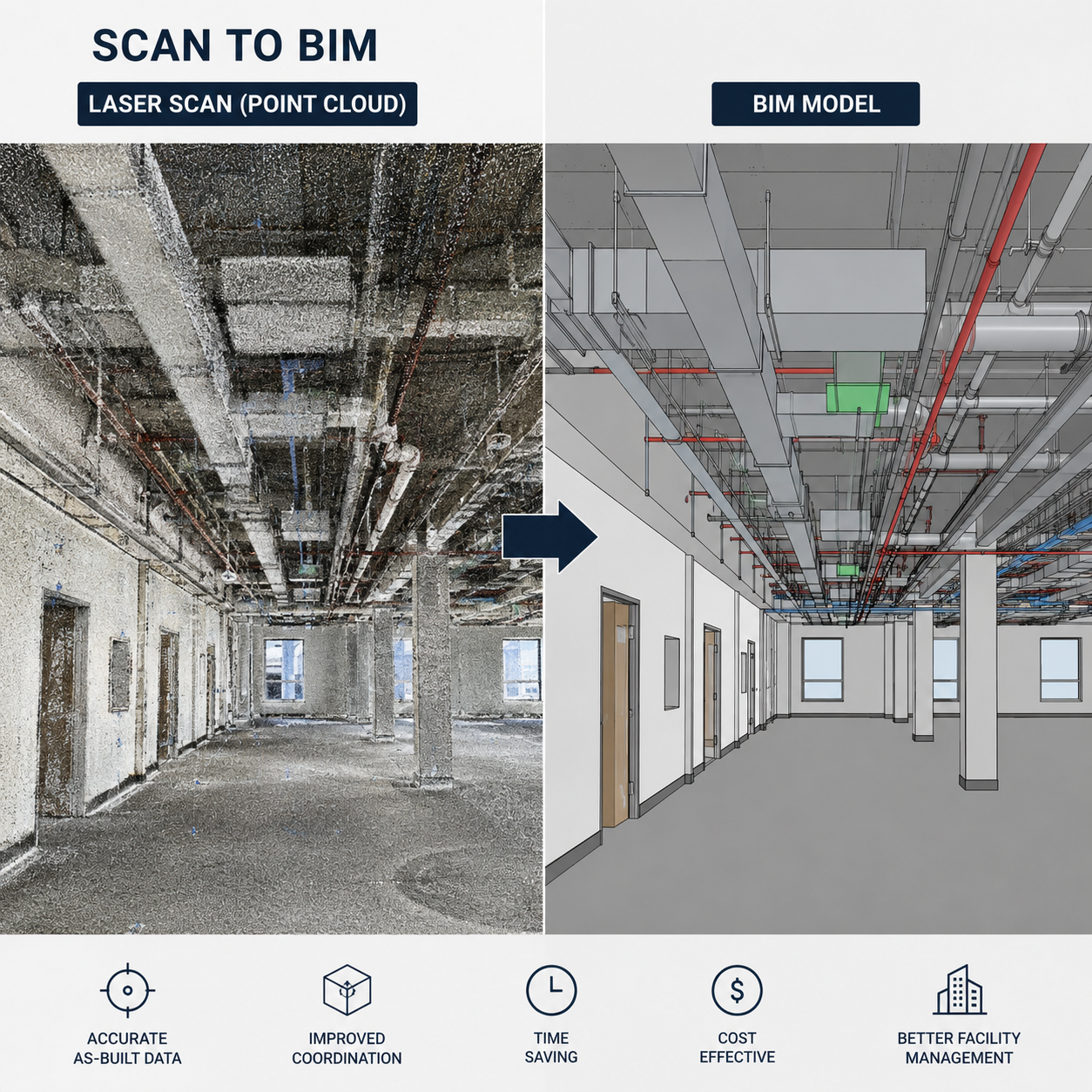
Scan-based as-built drawings provide verifiable, field-accurate documentation that teams can actually trust.
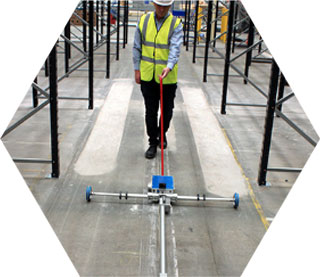
Floor flatness is often cited as a requirement for data centers, but the real issue is load performance.
High-density racks, UPS systems, and battery rooms place enormous point loads on slabs. Out-of-tolerance conditions can lead to:
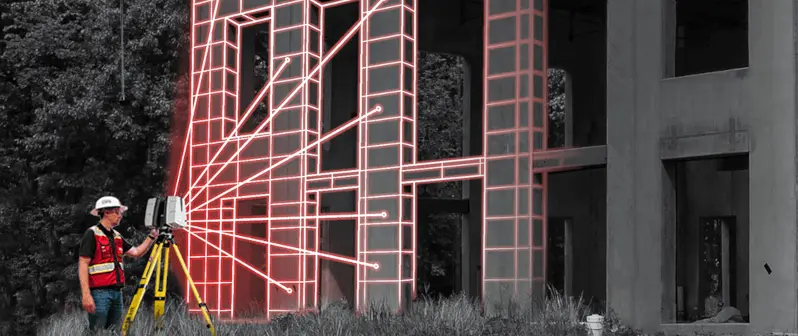
Laser scanning allows teams to:
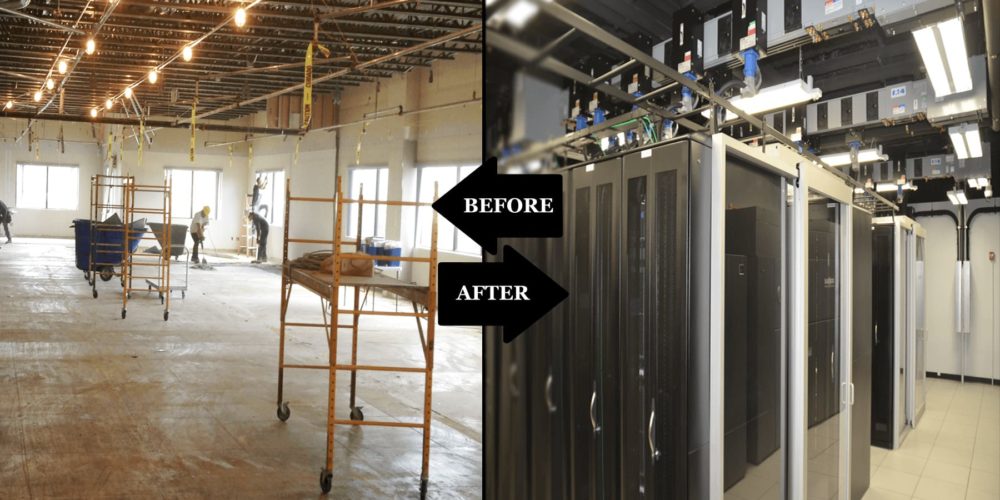
Very few data centers are built once and left untouched.
Most facilities undergo:
Scan-to-model as-builts give teams a reliable baseline for designing and building inside live environments without risking outages or shutdowns.
For sellers and contractors, this becomes a clear differentiator: you are enabling future projects, not just the current scope.
Utility power demand driven by data centers is accelerating rapidly, with forecasts showing year-over-year growth exceeding 20 percent as AI and high-density compute workloads continue to scale, according to analysis from S&P Global.
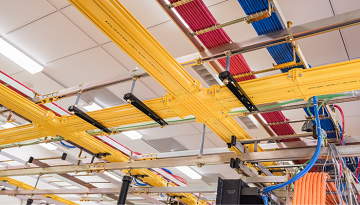
Data centers are MEP-driven facilities. Electrical and mechanical systems dominate the footprint and evolve over time.
Scan-based as-builts capture:
This level of accuracy is critical for:
Learn more about AsBult's BIM Coordination service
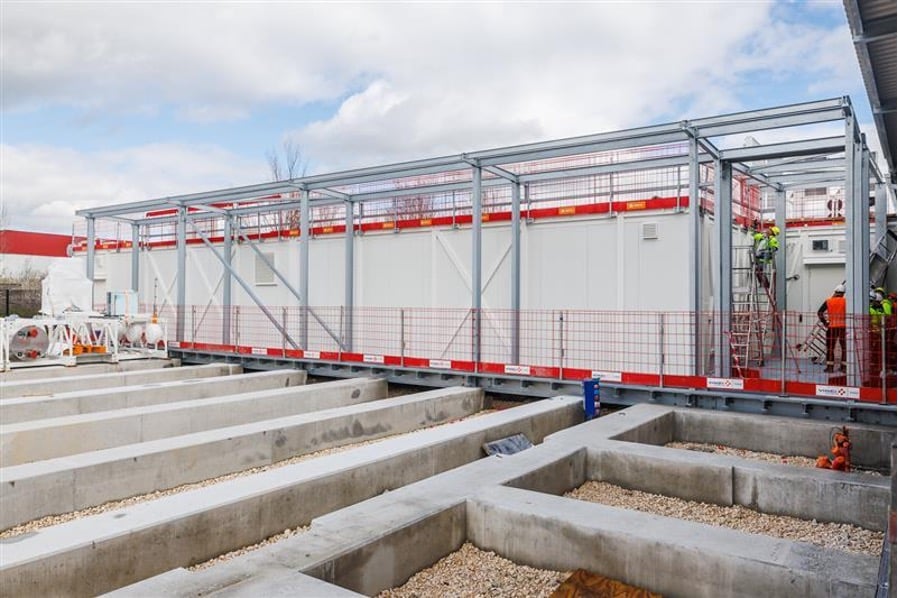
Speed to market is everything in data center construction. Prefabrication is now standard for:
But prefab fails when field conditions are assumed instead of verified.
Scan-based models allow teams to:
When costs exceed $10M per MW, avoiding rework delivers immediate ROI.
Owners increasingly treat scan-based as-builts as long-term assets.
They support:
Unlike redlines, scan-verified as-builts are objective, timestamped, and defensible.
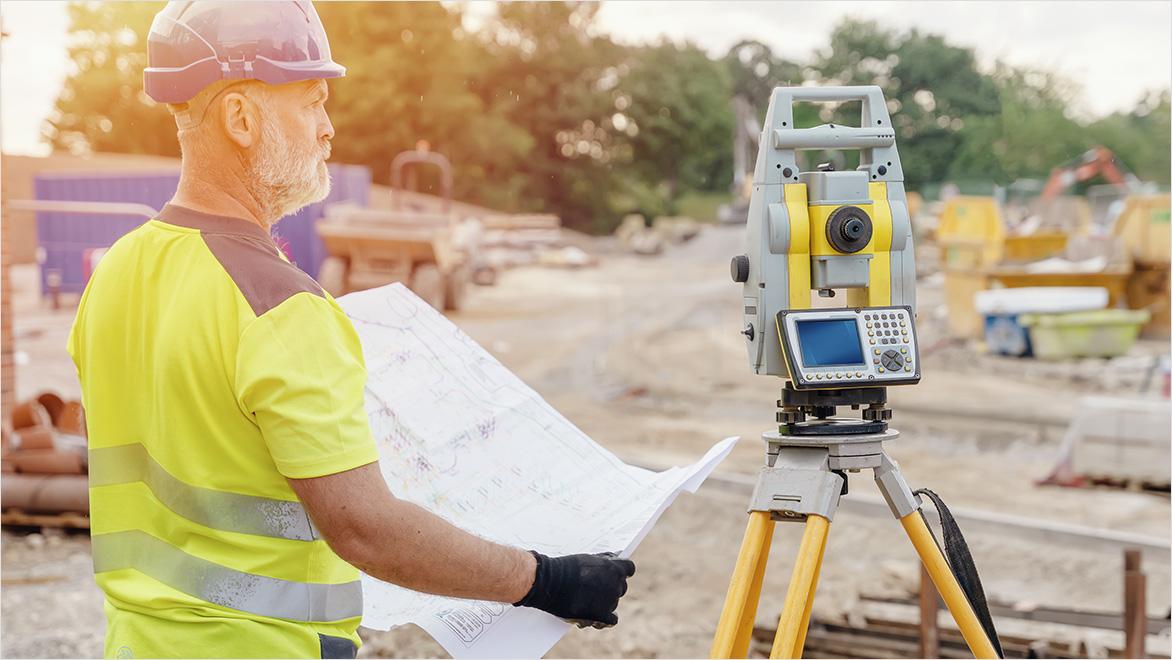
AsBuilt supports data center projects by removing uncertainty early and maintaining accuracy throughout the facility lifecycle.
Our approach:
For sales teams, this positions you as a risk-reduction partner.
For construction teams, it makes your bid more predictable and credible.
Check out AsBuilt's 3D Laser Scanning page and our As-Built Modeling service.
The data center market is expanding fast, costs are rising, and tolerance for error is shrinking.
Scan-based as-built drawings help teams:
If you are pursuing data center projects and still relying on traditional as-builts, you are competing at a disadvantage.
_____________
If you are pursuing data center work and want to reduce risk while increasing bid confidence, bring AsBuilt in early. We will align the scan plan to your schedule, deliver the model and 2D outputs your team needs, and set you up with documentation that supports future projects.

Each project represents our commitment to accuracy and technical excellence
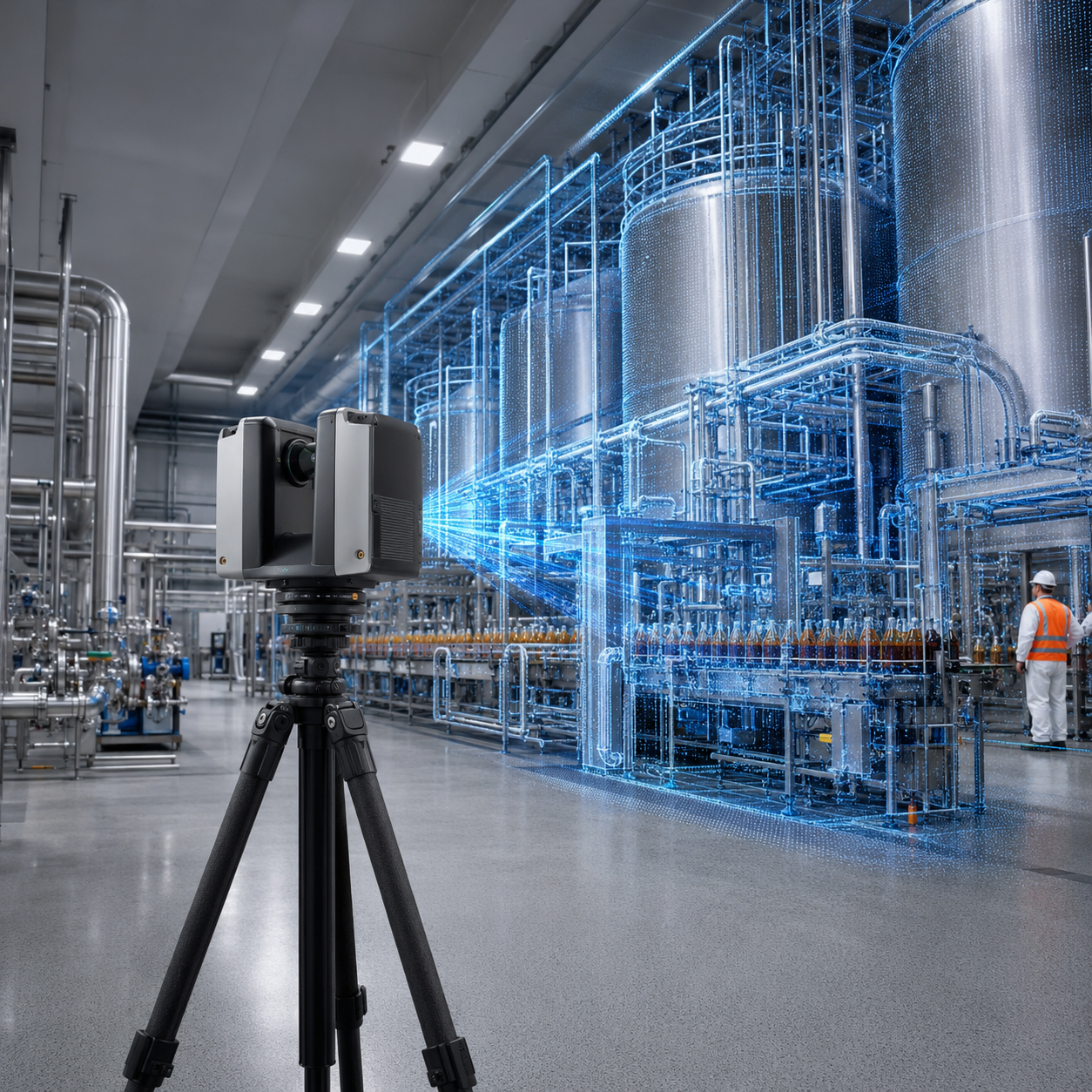
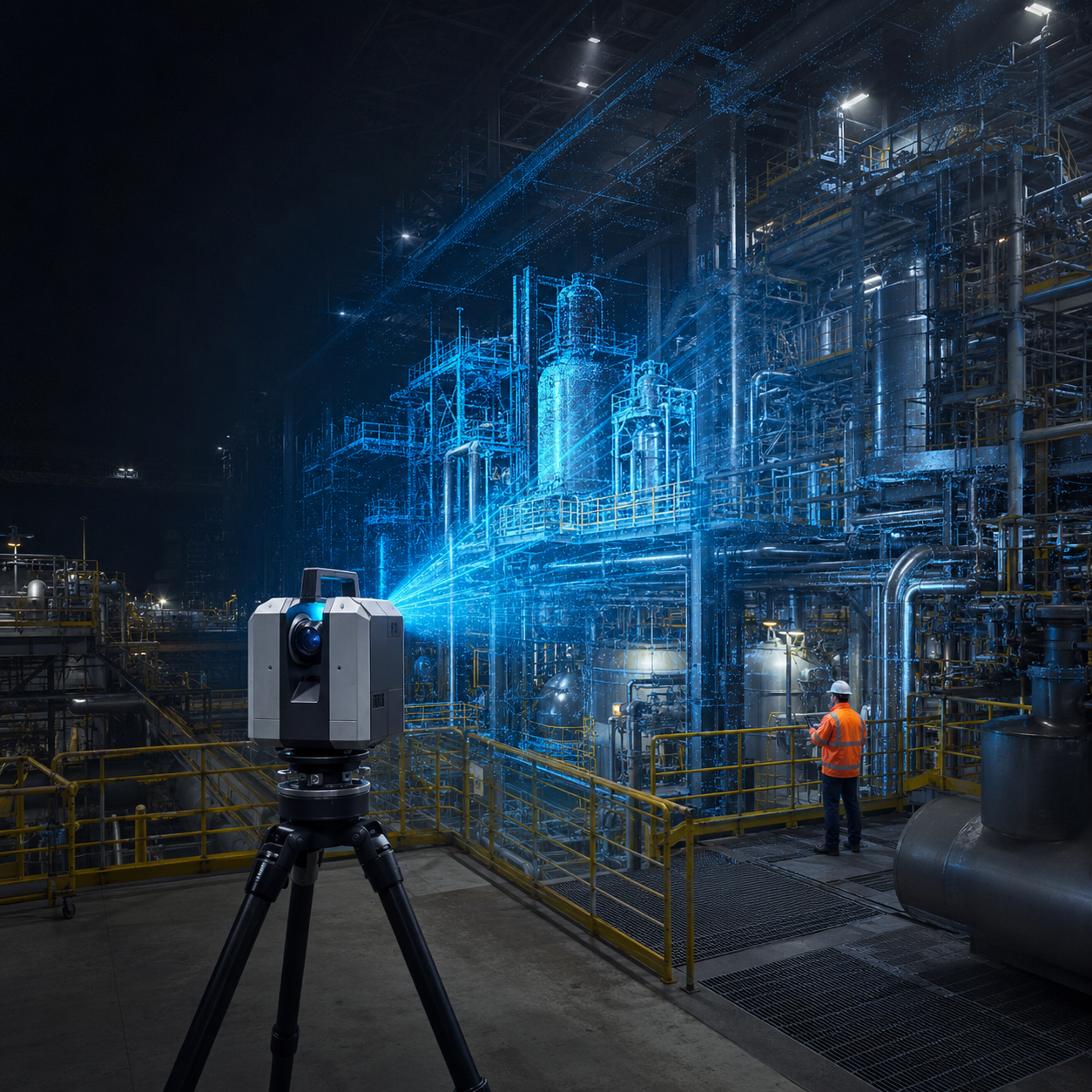


Talk with our team about your facility, scope, and objectives to determine the right capture, modeling, and analysis approach.