
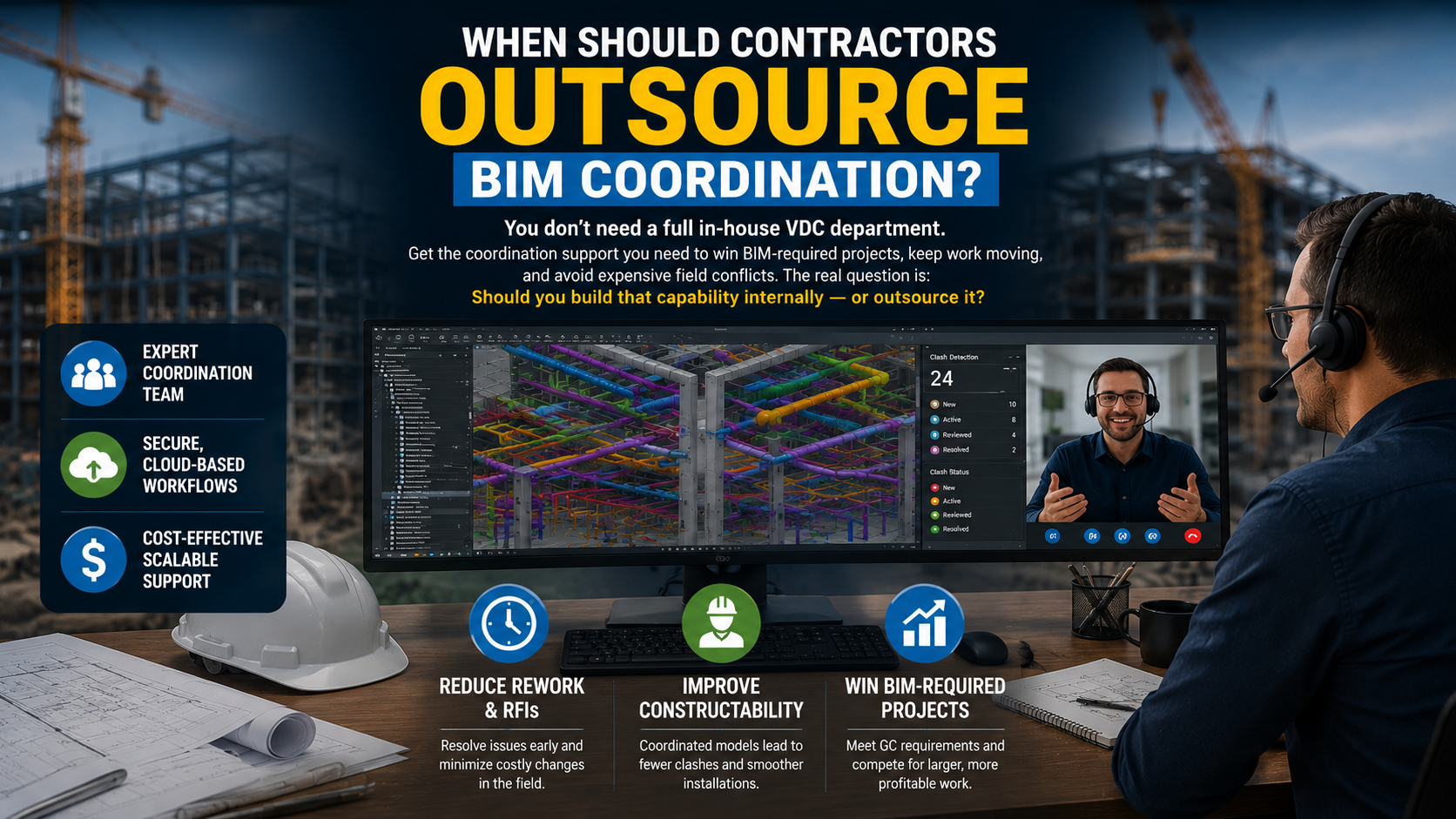
Many contractors don’t need a full in-house VDC department.
What they need is enough BIM coordination support to win BIM-required projects, keep work moving, and avoid expensive field conflicts. That’s why outsourced BIM coordination has become a practical solution for electrical, mechanical, plumbing, piping, low-voltage, and specialty contractors working on complex projects.
If your team is being asked to deliver coordinated models, participate in clash resolution, support prefabrication, or meet general contractor BIM requirements, the question is no longer whether BIM matters.
The real question is: should you build that capability internally—or outsource it?
For many contractors, outsourcing is the smarter move.

Outsourced BIM coordination means partnering with an external team to handle some or all of the coordination workload on a project.
This can include:
This is not commodity drafting.
Effective BIM coordination is about helping the project get built with fewer conflicts, less rework, and better field execution—not just producing models.
Not every contractor needs outside support. But there are clear indicators when outsourcing makes sense.
You may be large enough to pursue better projects, but not structured to support a full BIM/VDC team.
If project managers or estimators are covering coordination on top of everything else, it’s a bottleneck. Outsourcing allows you to execute these projects without slowing down operations.
If clashes are still being discovered during installation, your coordination process isn’t working early enough.
BIM coordination should resolve conflicts before fabrication and installation—not during them.
Outsourcing helps shift problem-solving upstream, where it’s faster and far less expensive.
Many contractors have intermittent BIM demand.
You may have several BIM-heavy projects per year, but not enough to justify a full-time internal team.
Outsourcing gives you flexible capacity—scale up when needed, without carrying permanent overhead.
A model can look clean and still be difficult to build.
Poor coordination often ignores:
Outsourced BIM coordination should improve buildability, not just geometry.
Prefab only works when coordination is reliable.
If coordination is weak:
If coordination is strong:
Prefab starts with coordination.
Retrofits and brownfield projects introduce additional complexity:
These projects demand stronger coordination, especially when multiple trades must work within constraints.
When done correctly, outsourcing delivers more than just extra capacity.
Coordination aligns trades, resolves conflicts early, and supports smoother installation.
The result: more predictable project outcomes.
Field problem-solving is expensive.
By resolving issues earlier:
Some contractors lose opportunities simply because they cannot support BIM requirements.
Outsourcing allows you to:
Instead of hiring for peak demand, outsourcing lets you:
Outsourcing is typically the better option when:
Building an internal team makes sense for contractors with a consistent pipeline of BIM-heavy work.
But for many mid-sized contractors, outsourcing is faster, more flexible, and more cost-effective.
Not all BIM providers deliver the same value.
The right partner should offer:
Most importantly, they should focus on how the project gets built, not just how the model looks.
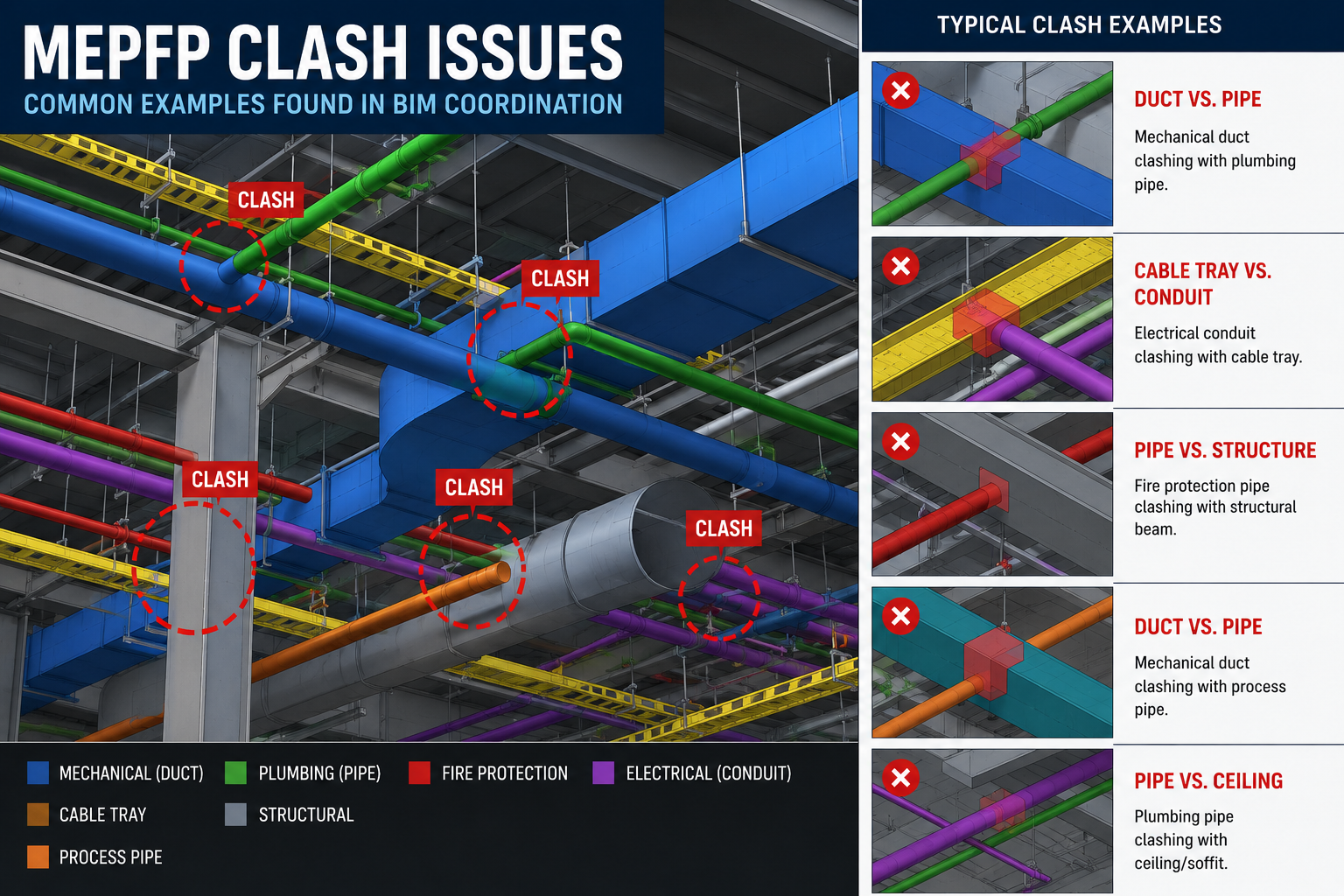
Electrical, mechanical, plumbing, piping, BAS, and low-voltage contractors often feel the impact of poor coordination first.
They are competing for:
When coordination fails, their labor productivity suffers.
When coordination works, everything downstream improves.
Contractors should outsource BIM coordination when:
The right partner does more than produce models.
They help reduce rework, improve constructability, support prefabrication, and enable better project execution.
That’s where the real value is.
👉 If your team is pursuing BIM-required projects, dealing with overloaded coordination resources, or trying to eliminate field conflicts before installation, AsBuilt can support coordinated models, clash resolution, and field-ready BIM workflows built around real construction execution.
It’s the use of an external partner to handle BIM modeling, clash detection, coordination workflows, and related execution support on a project.
When project demands exceed internal capacity, when coordination issues persist in the field, or when BIM capability is needed without building a full internal team.
No. It’s often most valuable for mid-sized contractors who need BIM capability but don’t have consistent volume to support a full VDC department.
Yes. Strong coordination improves confidence that prefabricated assemblies will fit and install correctly.

Each project represents our commitment to accuracy and technical excellence


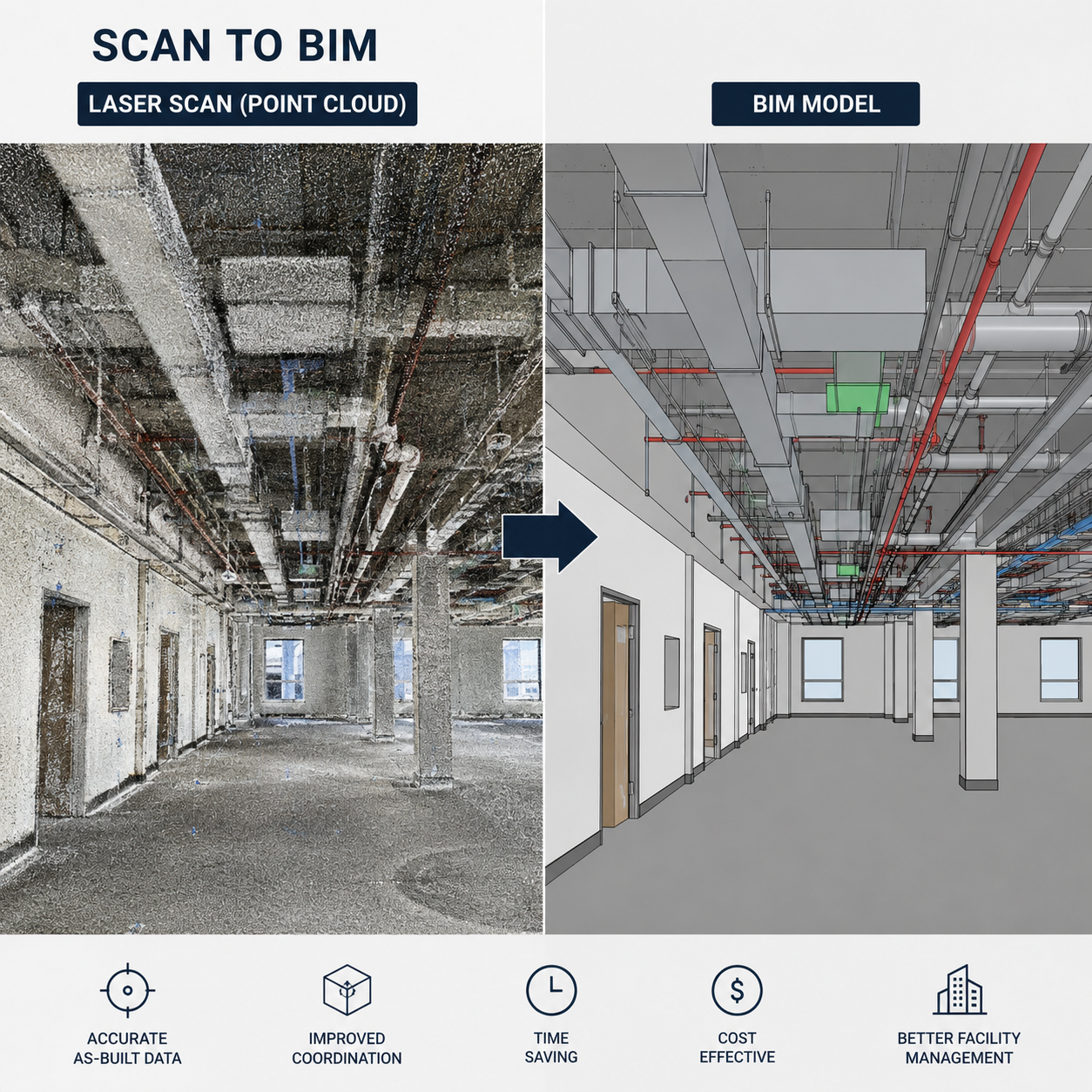


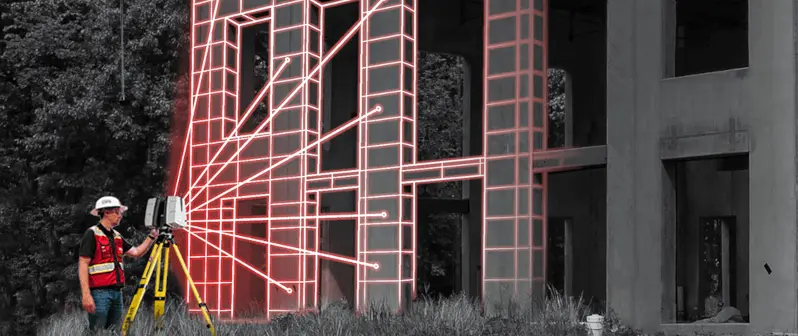
Talk with our team about your facility, scope, and objectives to determine the right capture, modeling, and analysis approach.