

Plant turnarounds are among the most complex and expensive events in industrial operations. A single shutdown can involve millions in capital, months of planning, and tight execution windows.
Yet despite that preparation, many plant turnarounds still run over budget and behind schedule.
The root cause is consistent: inaccurate or outdated as-built data.
When field conditions don’t match drawings, teams are forced to redesign, rework, and delay critical path activities during the shutdown.
Pre-turnaround laser scanning solves this problem.
By capturing accurate as-built conditions before the shutdown begins, teams can reduce risk, validate scope, and execute turnaround work with confidence.
Traditional plant turnaround planning relies on:
However, industrial facilities are constantly evolving. Modifications, reroutes, and undocumented changes create a gap between design and reality.
Inaccurate data leads to:
A petrochemical facility preparing for a major shutdown commissioned a pre-turnaround laser scan three weeks before execution.
The scan revealed a major clash between a new pipe rack and existing electrical conduit—conduit that was not shown on any drawings.
By identifying the issue early, the team avoided:
Result: ~10x return on a $50K scan.
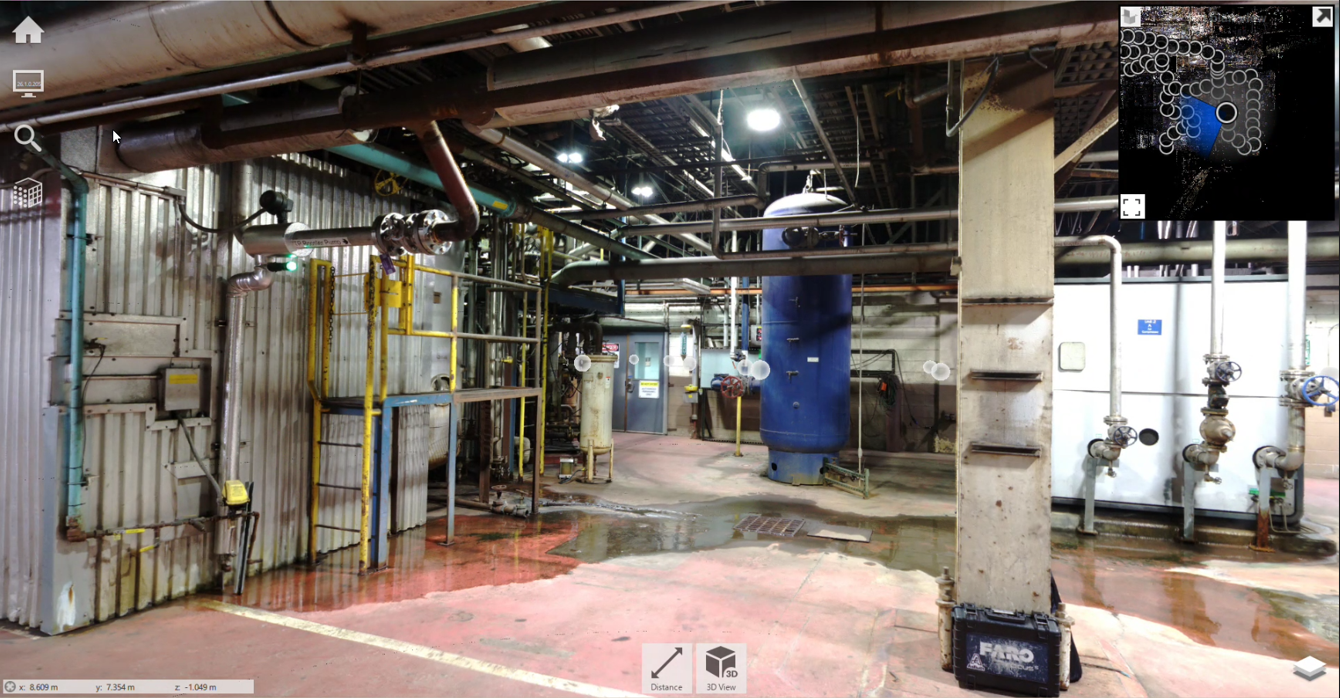
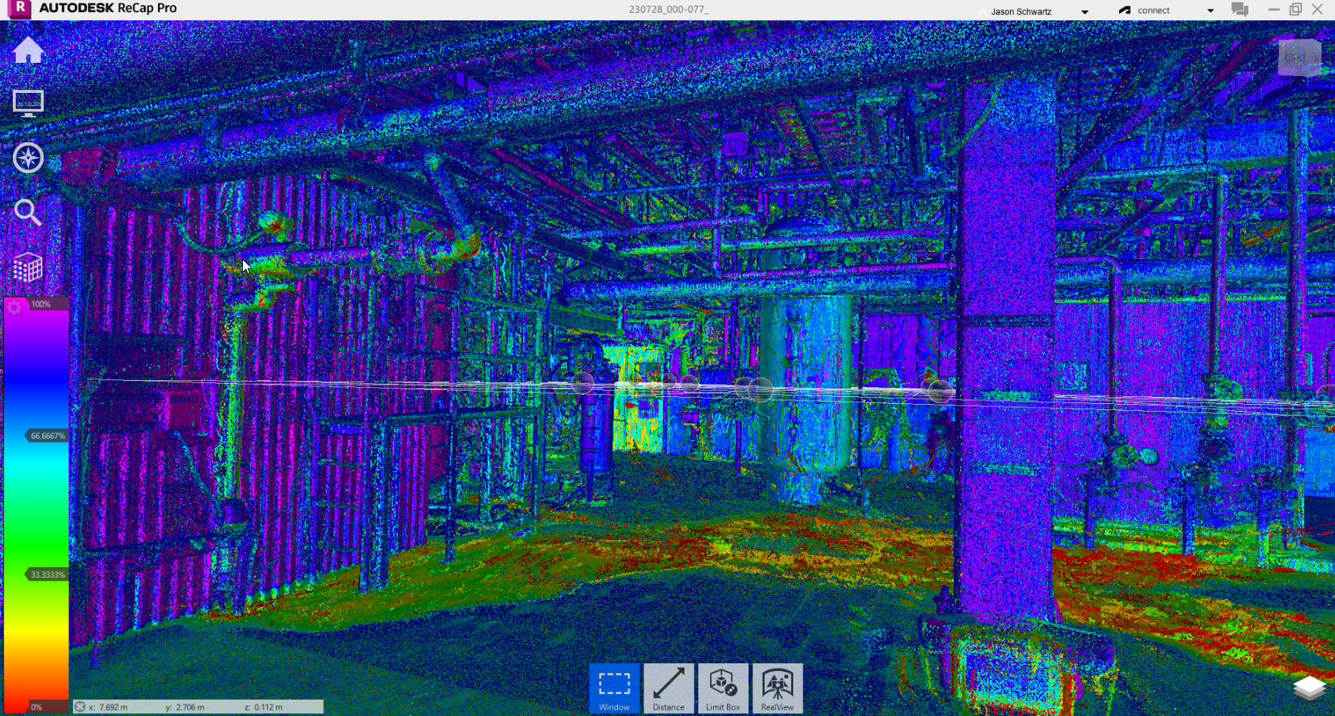
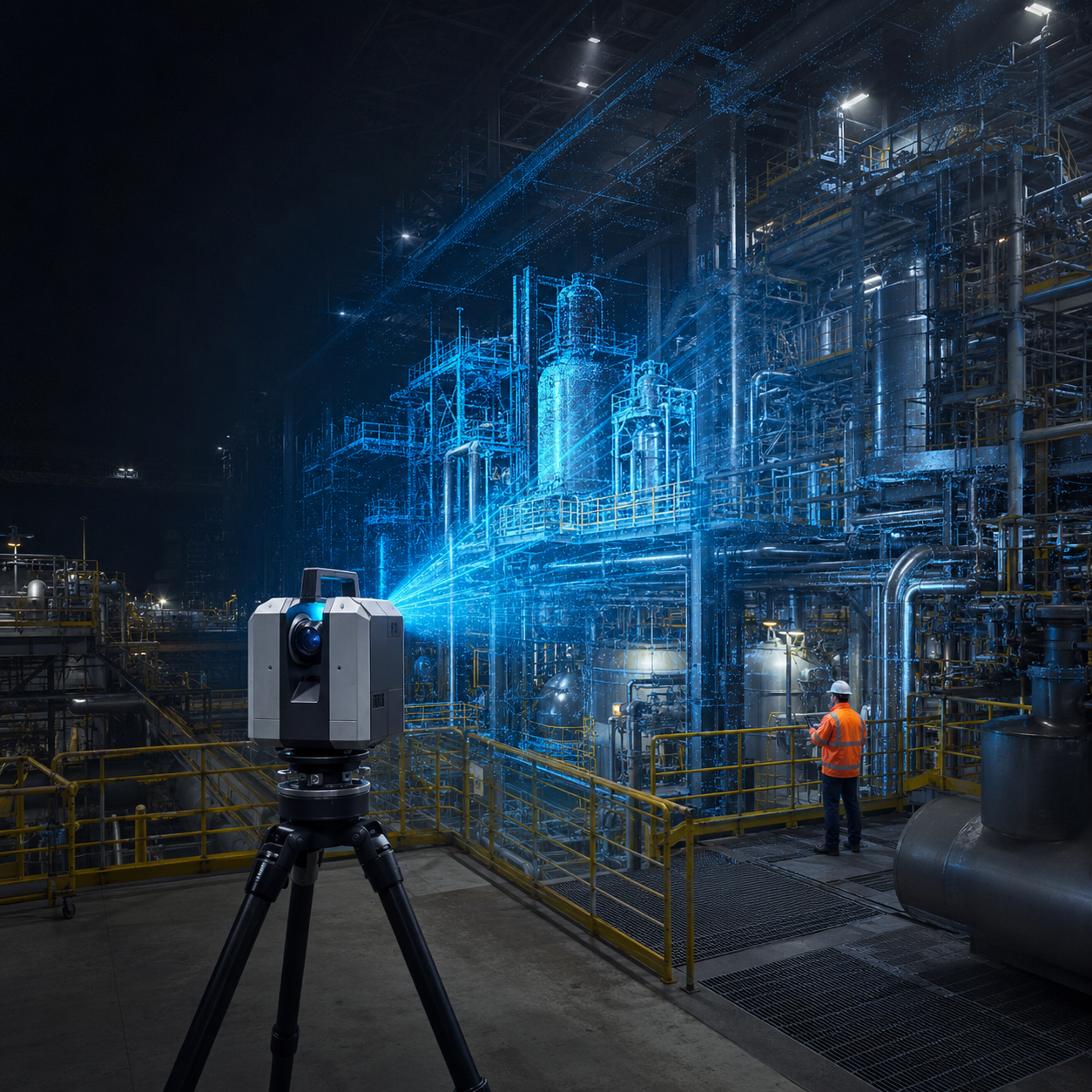
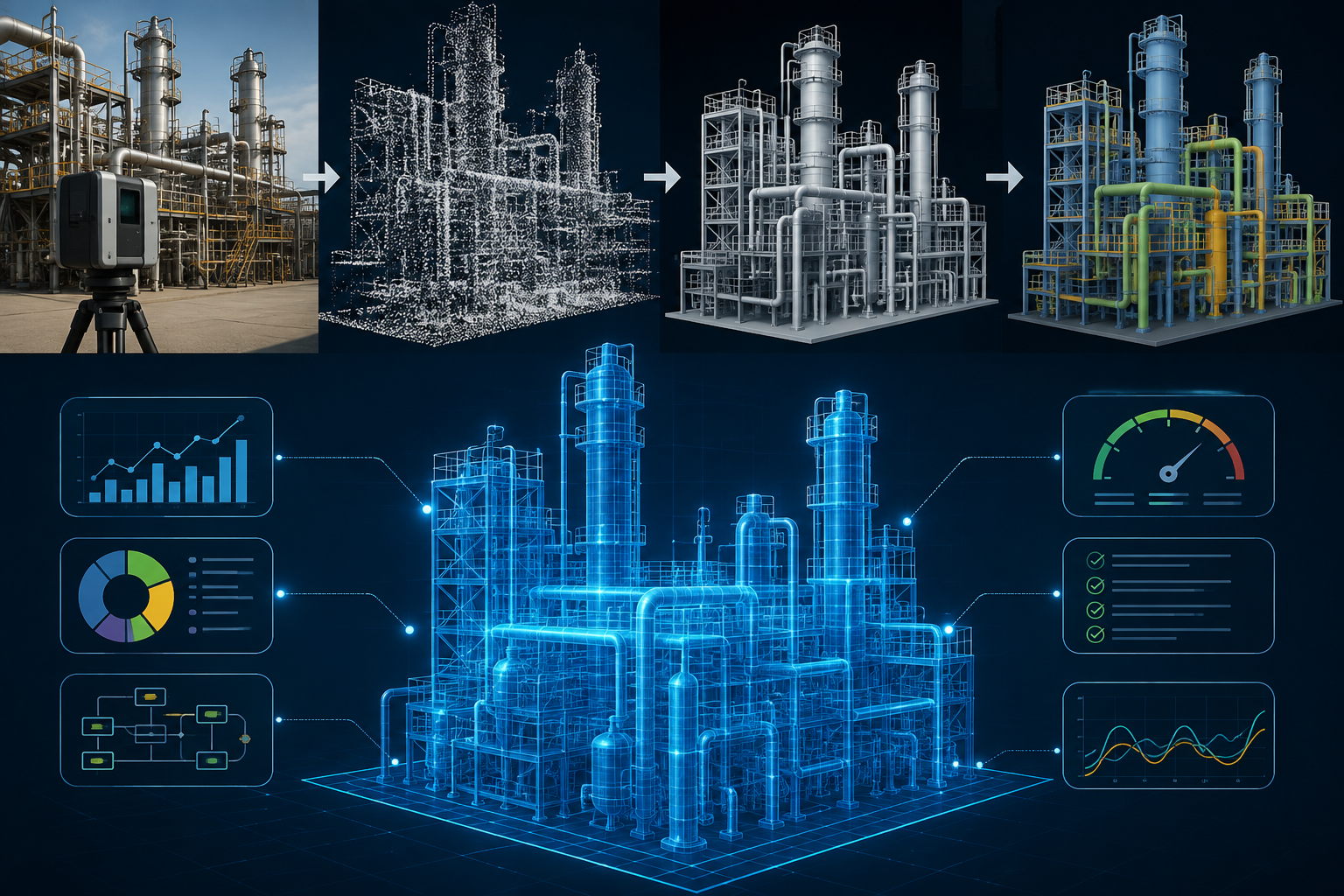
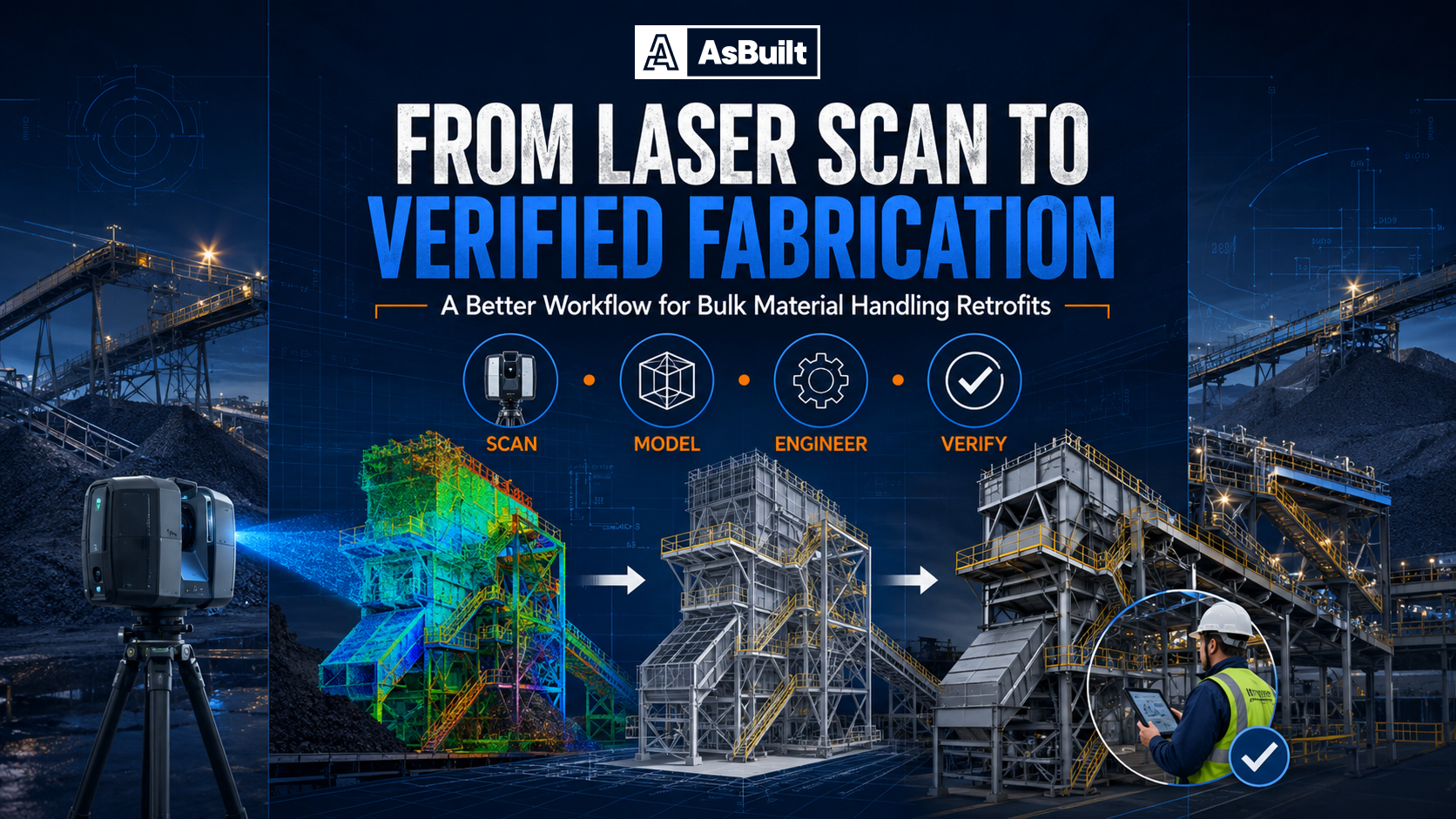
Pre-turnaround laser scanning is the process of capturing high-accuracy, 3D as-built data of an operating facility before a planned shutdown.
Using LiDAR technology, scanning produces a point cloud dataset accurate to ±2mm, enabling:
This data becomes the foundation for data-driven turnaround execution.
Timing your scan correctly is essential to maximizing ROI.
Objective: Establish accurate as-built conditions across the facility
Capture:
Use for:
Objective: Capture high-risk and high-priority work areas
Capture:
Use for:
Objective: Confirm final site conditions
Capture:
Use for:
This checklist ensures your laser scan supports accurate plant turnaround planning.
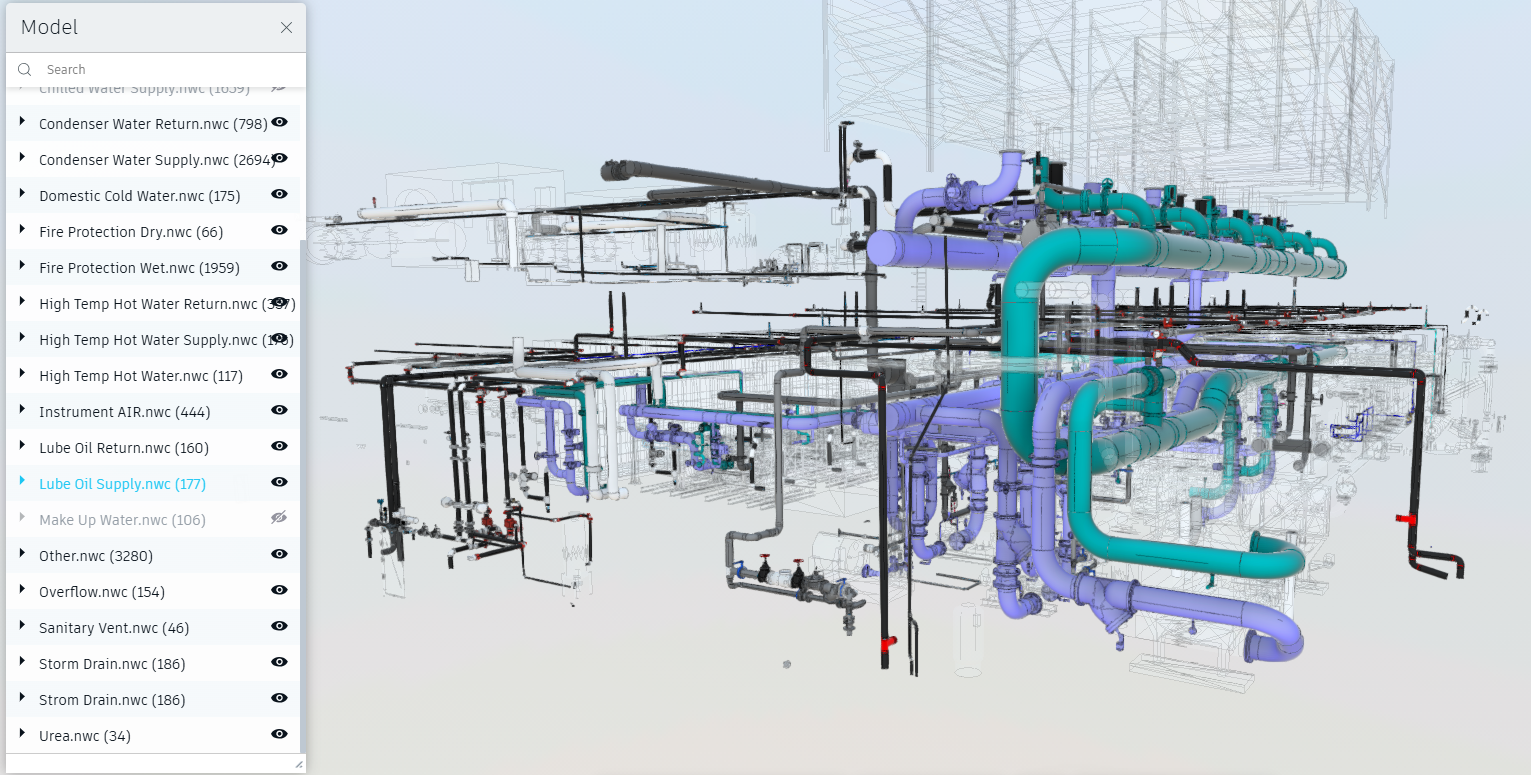
Capture:
Why it matters:
Enables precise prefabrication and eliminates fit-up issues during installation.
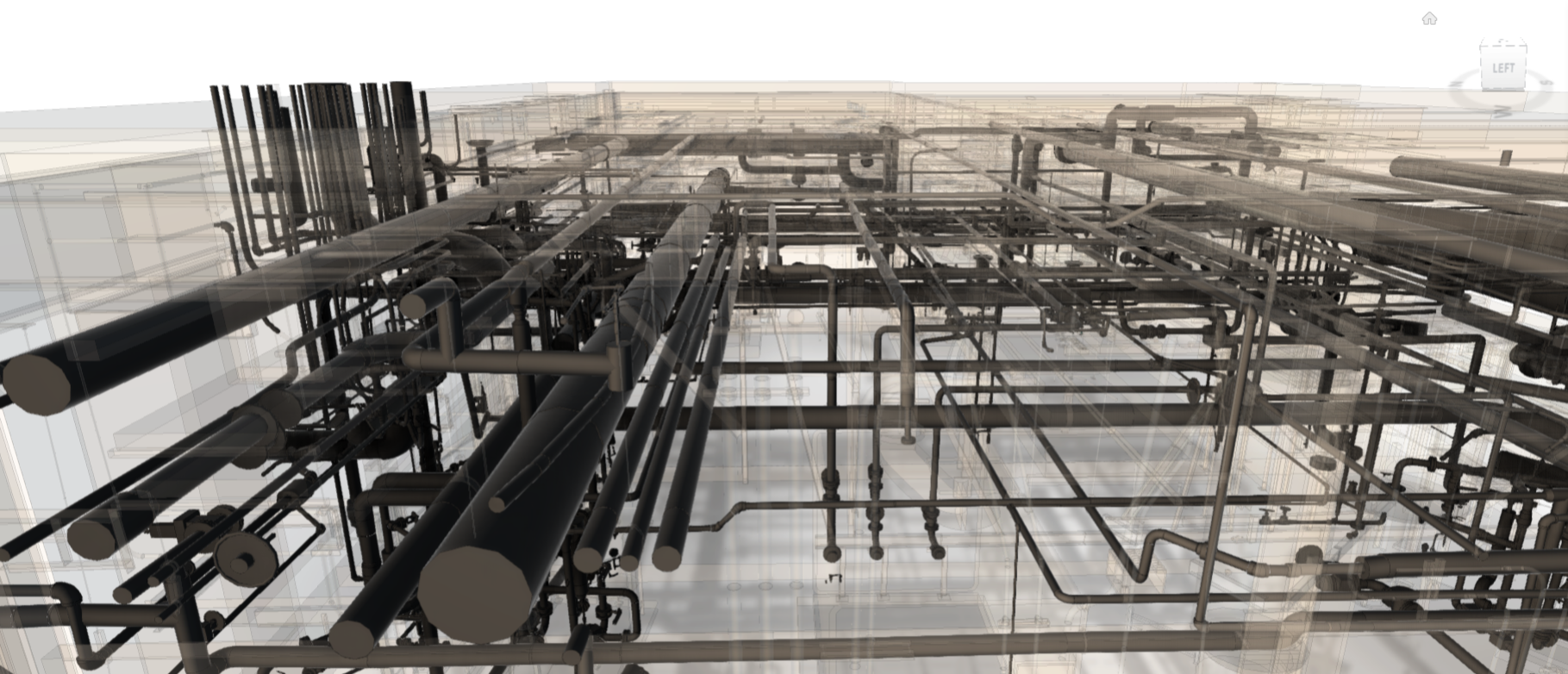
Capture:
Why it matters:
Prevents clashes and improves material accuracy.
Capture:
Why it matters:
Electrical systems are frequently undocumented and a leading cause of field conflicts.
Capture:
Why it matters:
Ensures safe access and installation feasibility.
Capture:
Why it matters:
Improves execution efficiency during shutdown.
Capture:
Why it matters:
Prevents unintended impacts to operating units.
Capturing data is only valuable if it’s used effectively.
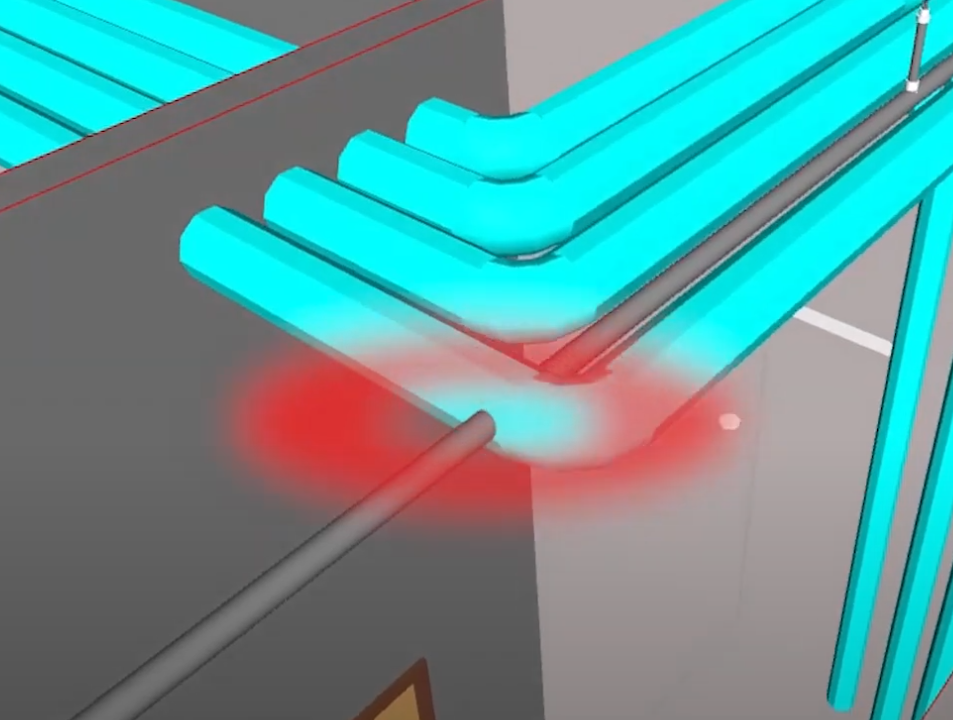
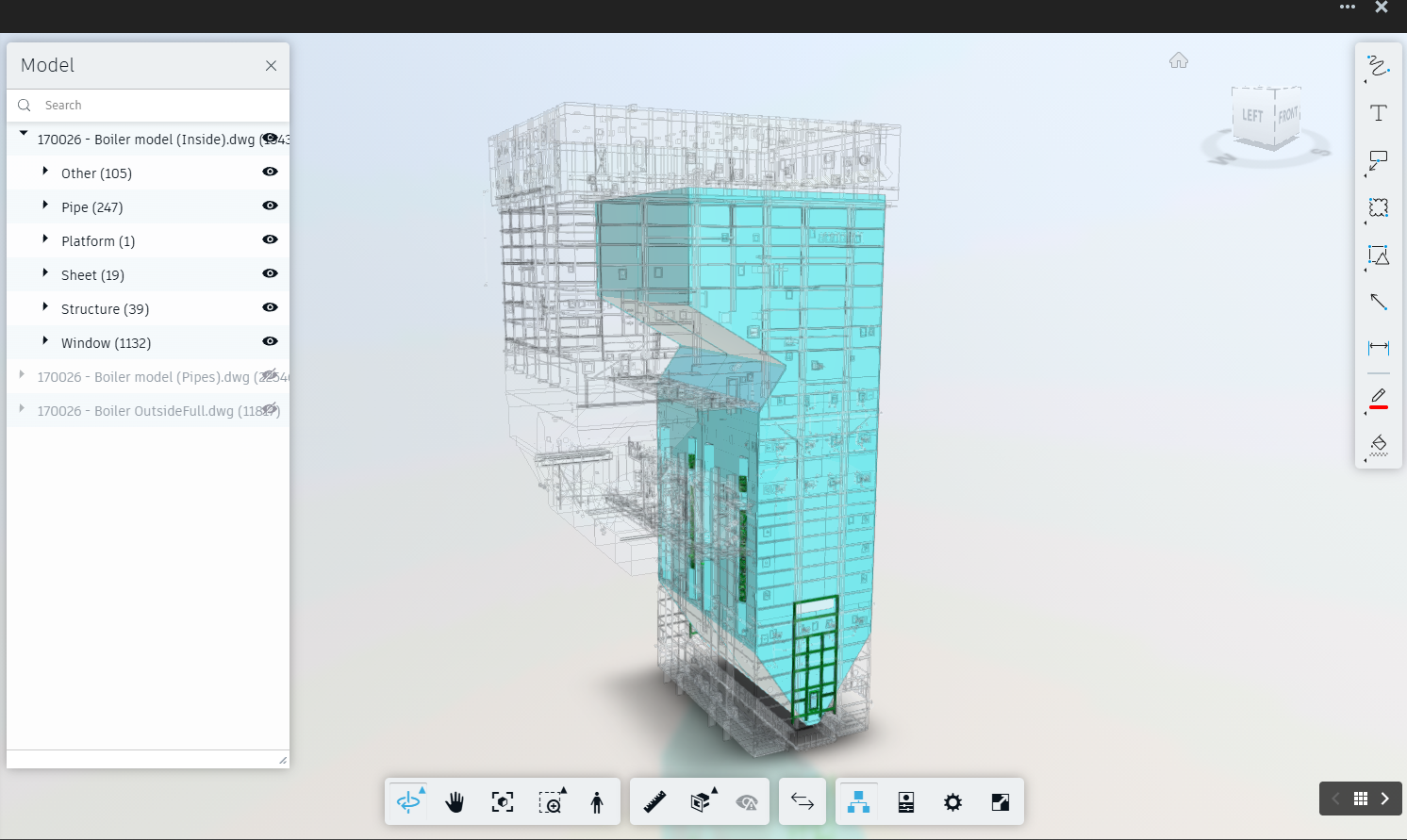
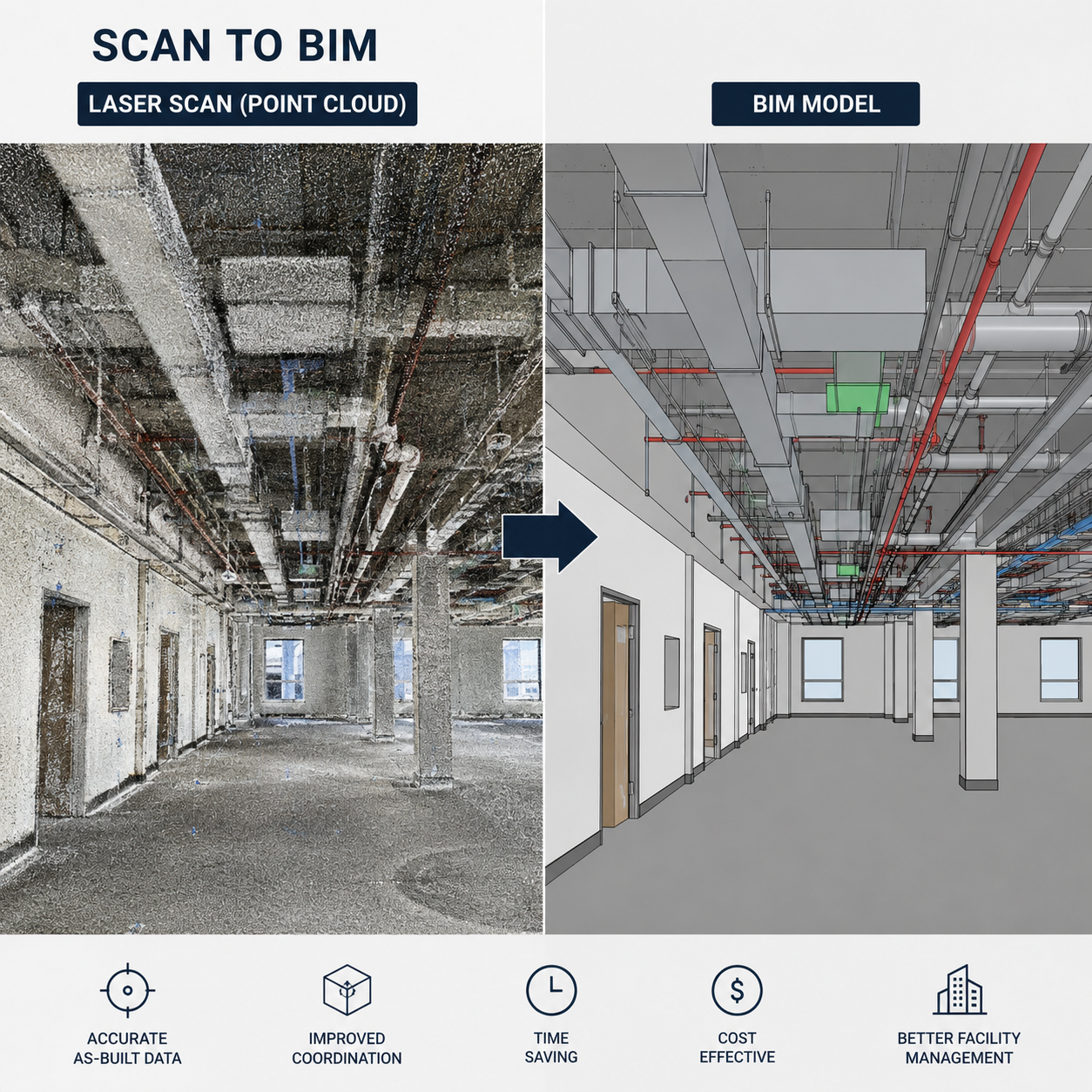
Overlay scan data with design models to identify conflicts early.
Prevents:
Impact:
Avoids $50K–$150K per clash in field rework.
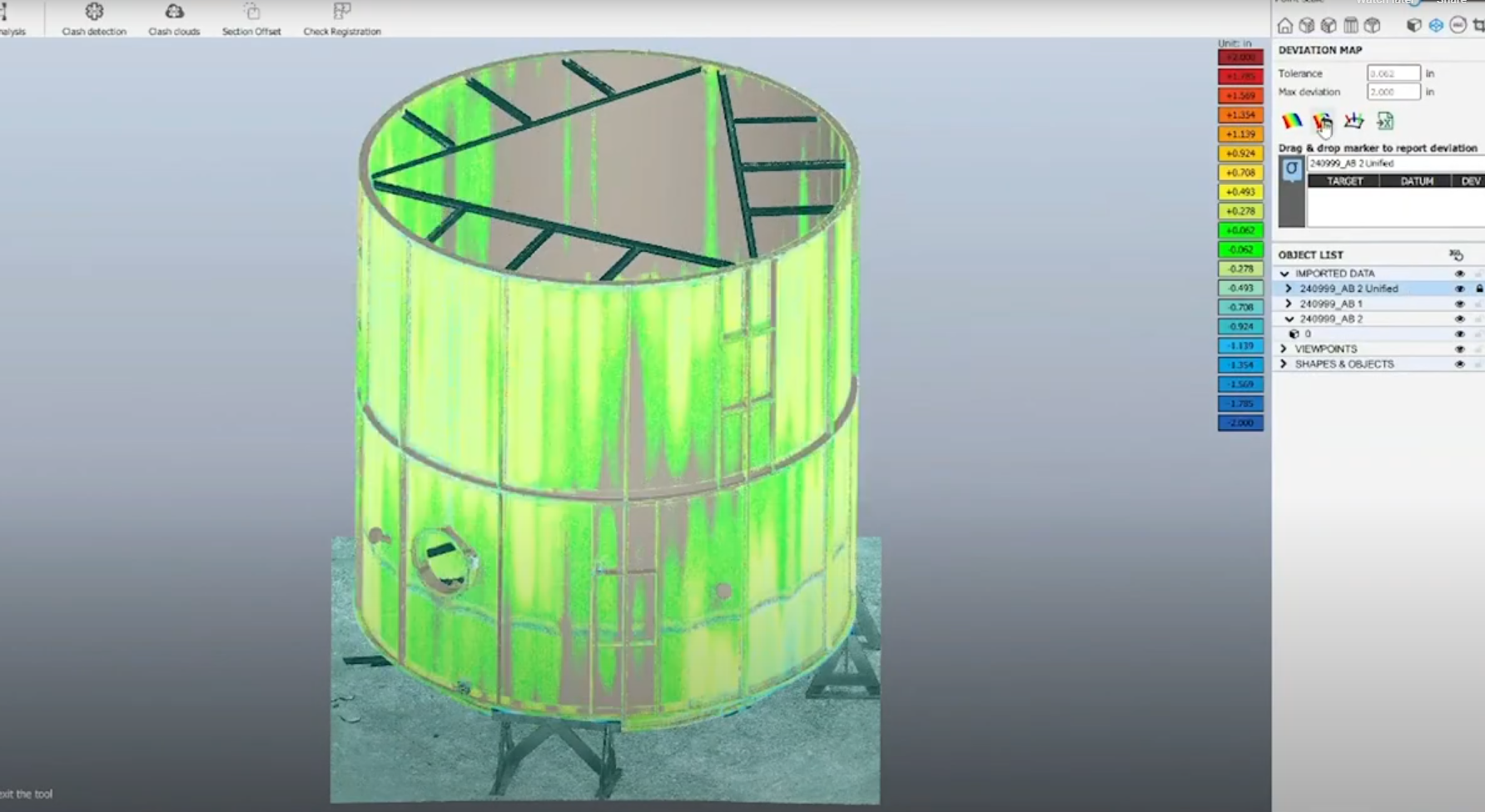
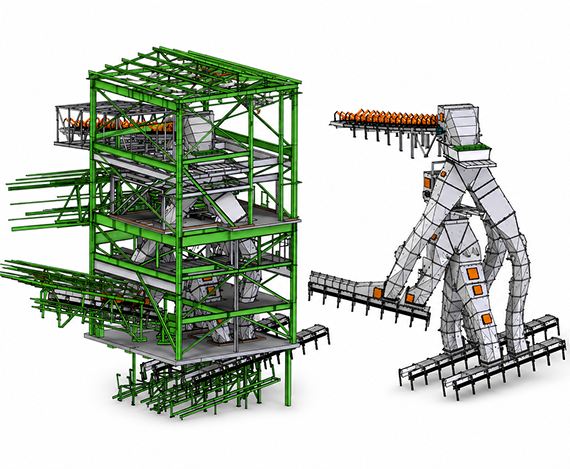
Use as-built data for accurate BOMs and off-site fabrication.
Enables:
Impact:
30–50% reduction in field labor hours.
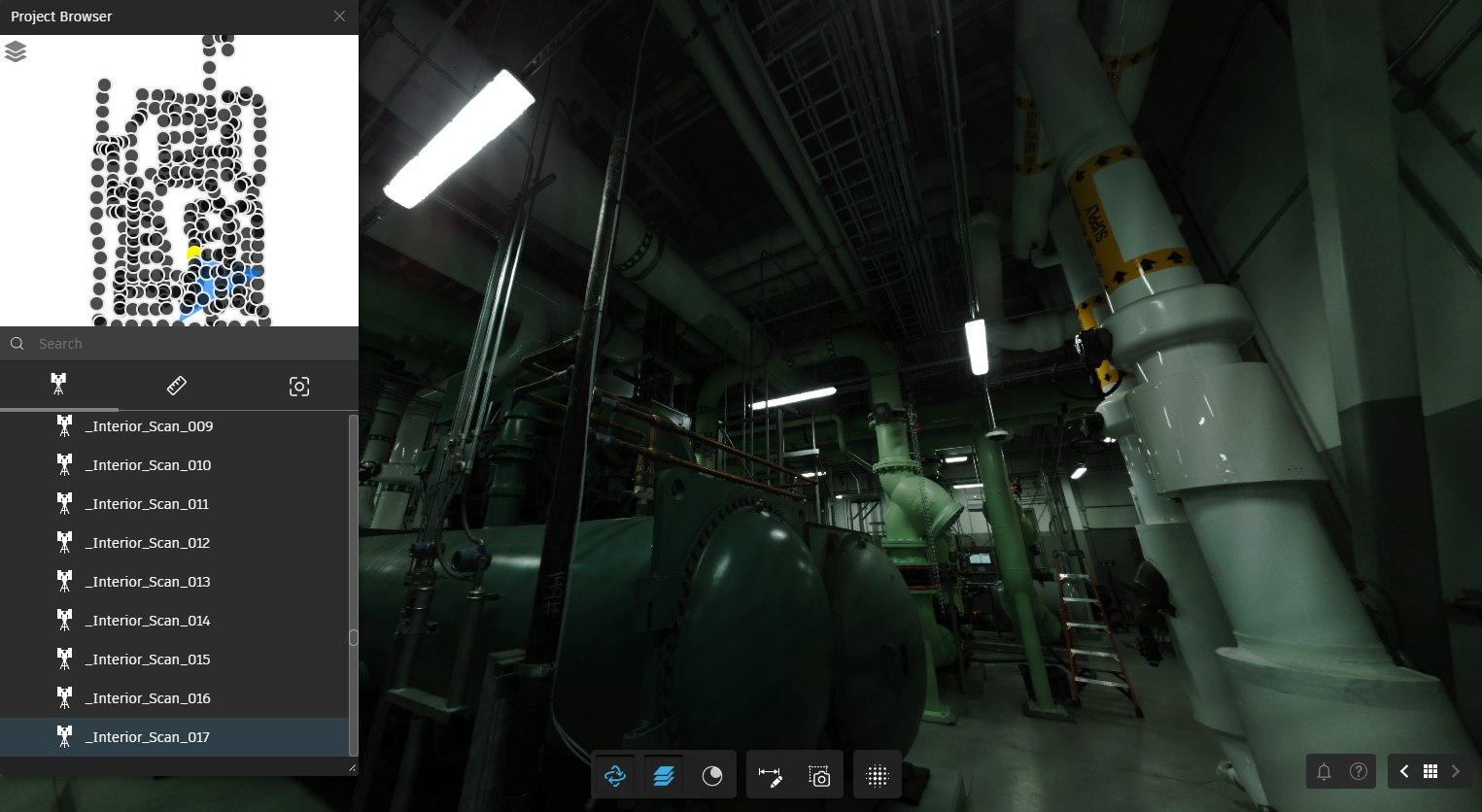
Convert scans into 3D walkthroughs.
Allows teams to:
Impact:
Faster execution and fewer errors.
Use real conditions to plan alternatives.
Prepare for:
Impact:
Minimizes delays during execution.
Validate schedules against real site conditions.
Improves:
Impact:
Prevents cascading delays.
Case Study: Industrial Plant Turnaround
Results:
Total ROI: ~18x
Identify high-risk and high-impact areas.
Include engineering, operations, and turnaround teams.
Typical outputs include:
Scanning is performed during normal operations with minimal disruption.
How long does laser scanning take?
1–3 days onsite depending on facility size. Processing takes 3-7 days. 3D modeling takes 1.5-3 weeks on average.
Is a shutdown required for scanning?
No. Scanning is performed during normal plant operations.
How accurate is the data?
±2mm, suitable for engineering and fabrication.
Can scan data be reused?
Yes. It becomes a long-term digital asset for maintenance and future projects.
What if we can’t scan the entire facility?
Targeted scans of critical areas still provide significant value.
Every plant turnaround involves uncertainty.
The difference between a successful shutdown and a costly overrun is when problems are discovered.
Pre-turnaround laser scanning gives you the accurate, real-world data needed to execute with confidence.
AsBuilt provides industrial laser scanning services designed specifically for plant turnarounds.
Request a quote or schedule a consultation to reduce risk on your next shutdown.

Each project represents our commitment to accuracy and technical excellence

Talk with our team about your facility, scope, and objectives to determine the right capture, modeling, and analysis approach.