Retail renovation projects move fast and leave little room for error. Store layouts are tight, schedules are compressed, and construction often happens while adjacent spaces remain operational.
The biggest risk rarely shows up during construction. It starts earlier, when teams rely on incomplete or outdated building information.
Most retail buildings were not designed for constant reconfiguration. Over time, walls are moved, ceilings are modified, utilities are rerouted, and equipment is replaced. Very few of these changes are fully documented.
When renovation design begins using legacy drawings or partial field verification, teams are forced to make assumptions about:
Those assumptions often fail under real-world conditions.
Manual measurements and walkthroughs can confirm individual dimensions, but they rarely capture full building geometry or spatial relationships. In retail environments, where coordination between trades is tight, small errors create cascading problems.
Misaligned fixtures, unexpected interferences, and last-minute redesigns lead to schedule delays and unnecessary cost.
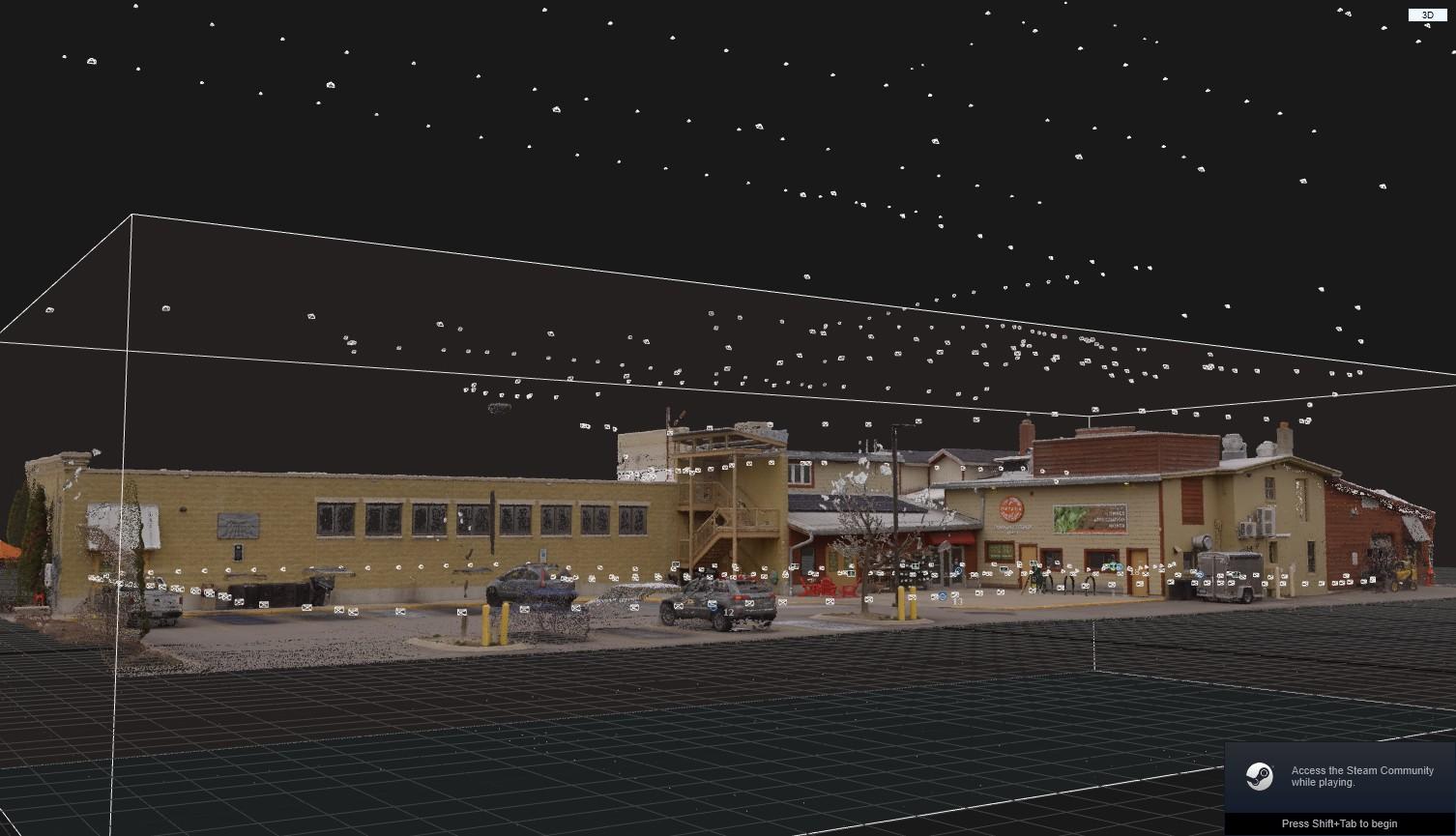
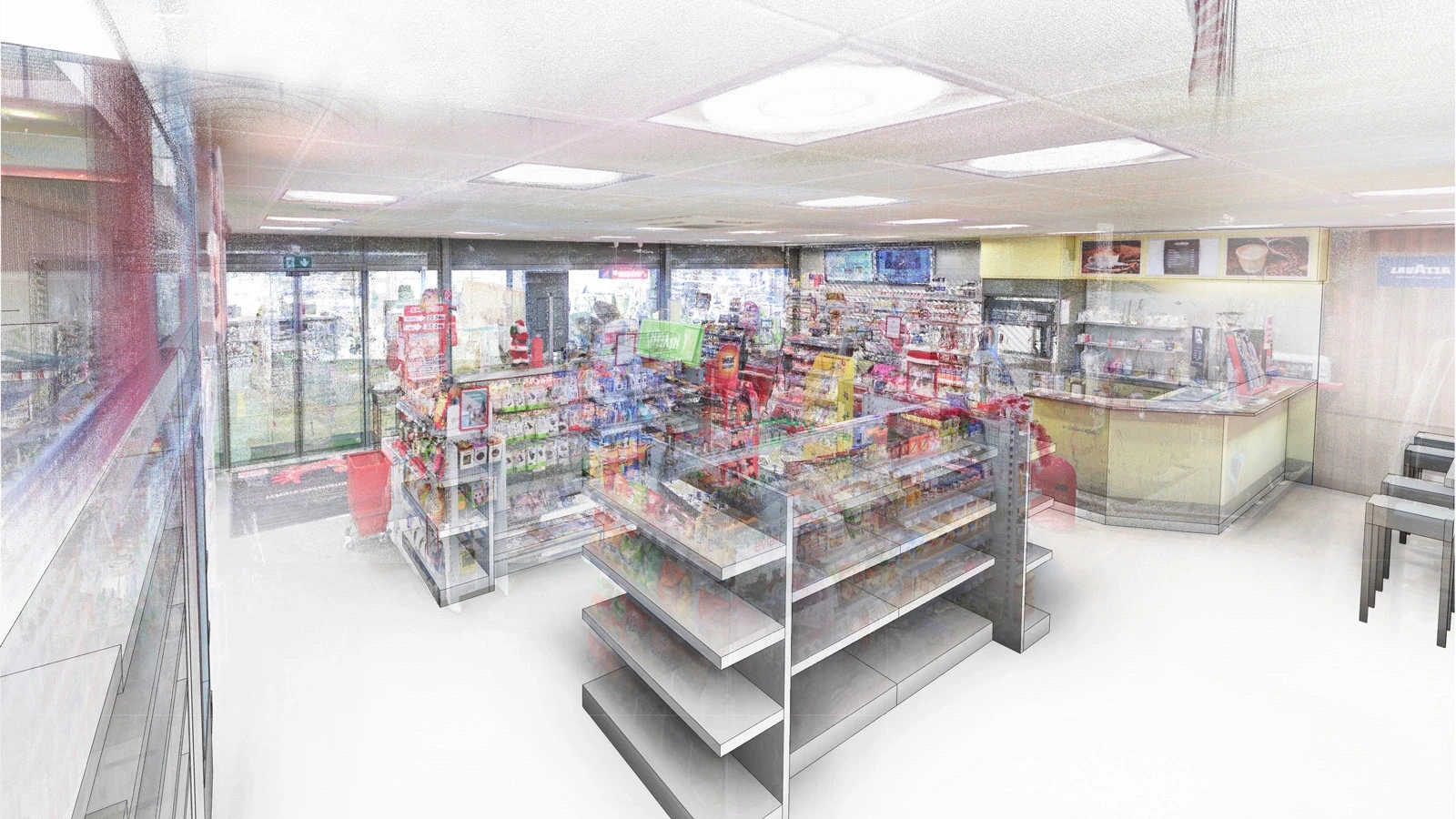
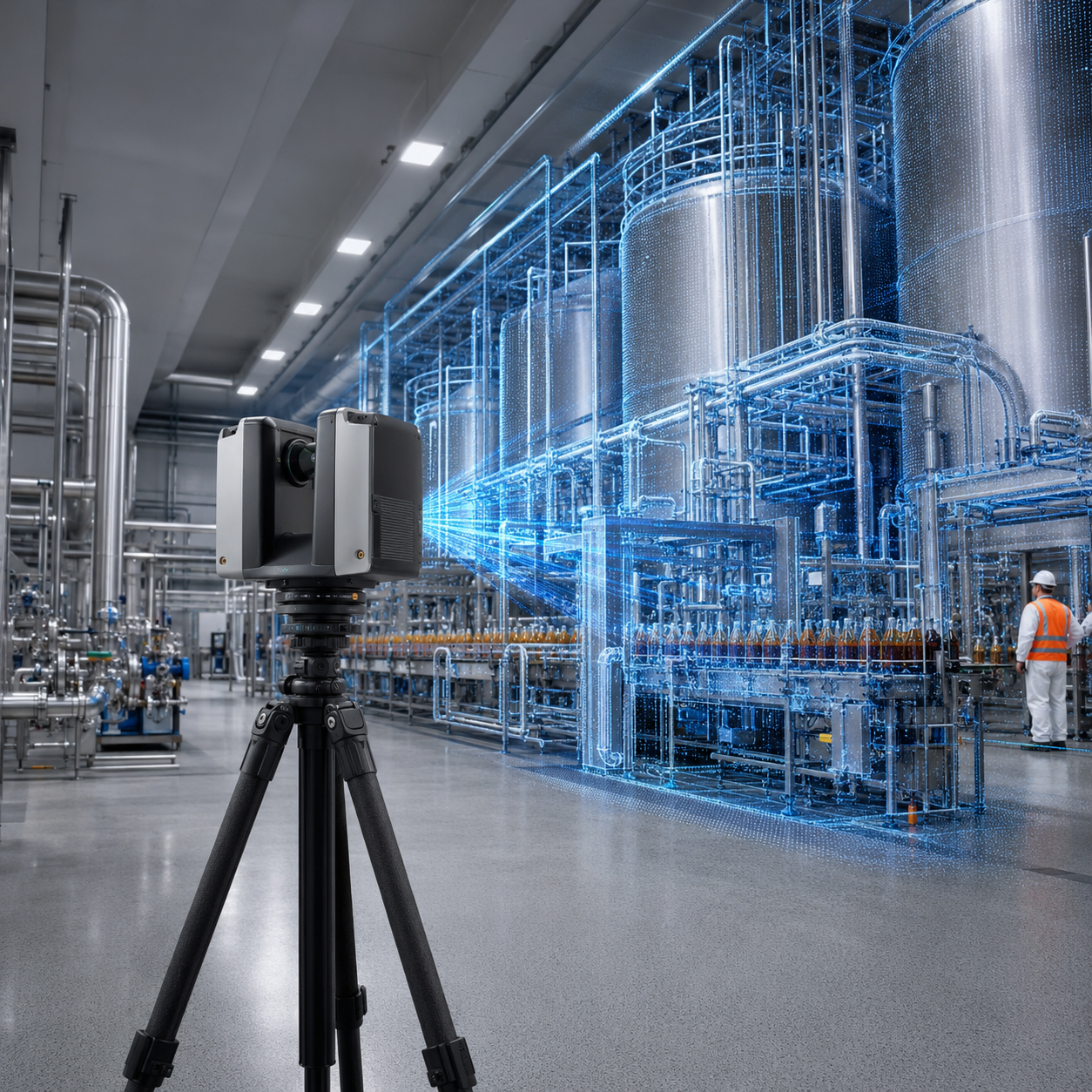
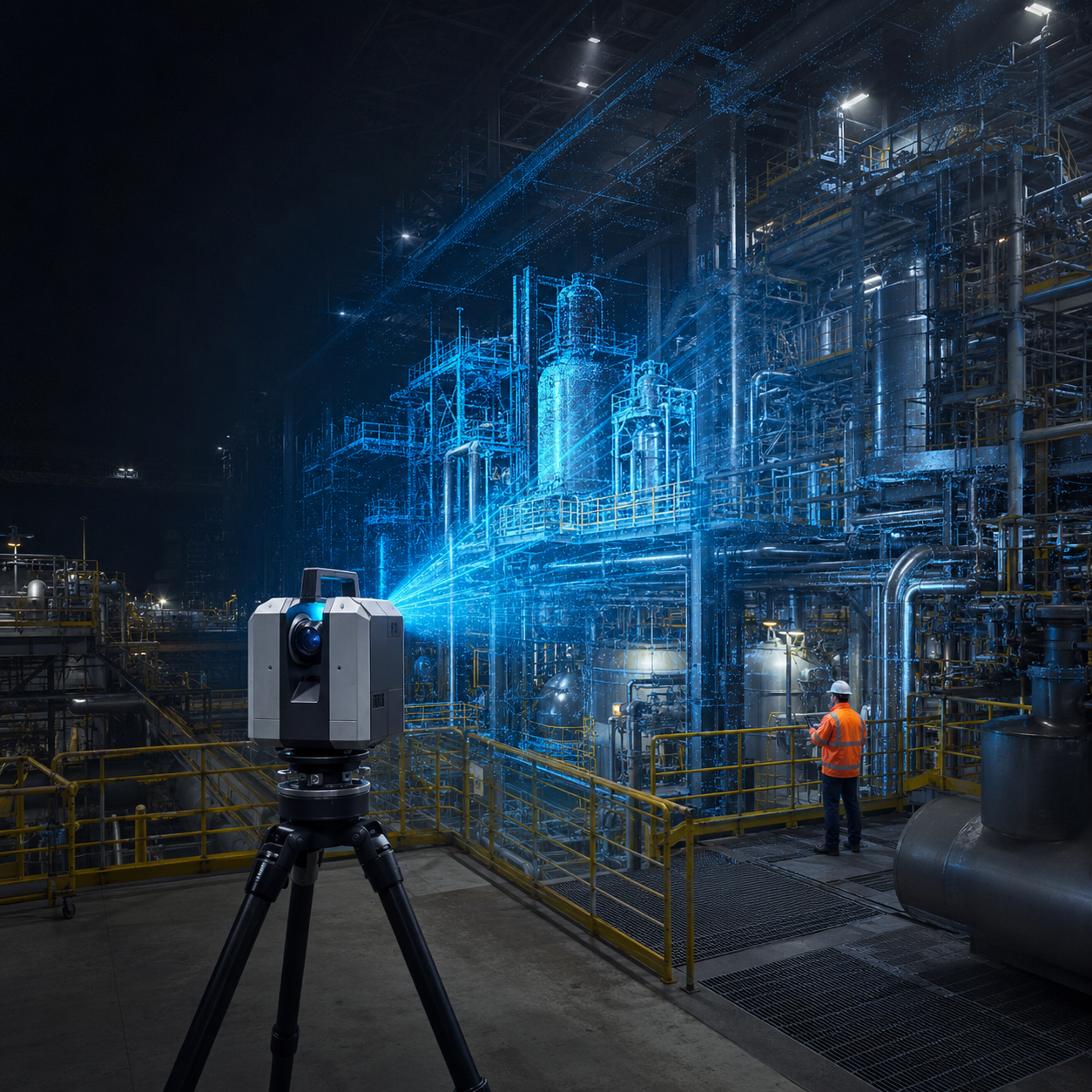
3D building scanning provides a complete, verified record of existing conditions before design begins. Instead of relying on selective measurements, project teams gain a comprehensive digital representation of the space as it actually exists.
This allows architects, engineers, and contractors to:
Retail renovations often require minimizing time on site and avoiding disruption to surrounding tenants or operations. Laser scanning allows capture to happen quickly, with minimal personnel in the space, while still producing highly accurate data.
The result is better planning, fewer surprises, and smoother execution from design through installation.
Retail renovations don’t fail because teams lack experience. They fail when decisions are made without reliable information.
Starting with accurate existing-condition data reduces risk, protects schedules, and gives renovation teams confidence that what’s designed will actually fit.
Learn more about reality capture and 3D laser scanning.
Each project represents our commitment to accuracy and technical excellence


Talk with our team about your facility, scope, and objectives to determine the right capture, modeling, and analysis approach.