
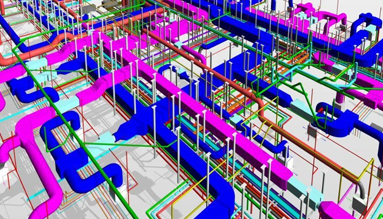

BIM coordination has shifted from a value-add to a contractual expectation. On many commercial, industrial, and institutional projects, general contractors now require coordinated BIM models from MEPF trades before work can proceed.
The intent is clear: eliminate conflicts digitally, protect the schedule, and avoid expensive field rework.
The reality, however, is that BIM coordination frequently becomes one of the biggest friction points on a project—especially in retrofit, renovation, and brownfield environments.
From a GC perspective, BIM coordination is meant to answer a few critical questions before crews mobilize:
In theory, coordinated models resolve these issues in preconstruction or early construction phases. In practice, coordination often stalls because teams are trying to coordinate designs against incomplete or unreliable existing-condition data.
Visit BIM Coordination Service to learn more!
General contractors increasingly manage projects where:
Yet MEPF trades are still expected to submit clash-free models and meet strict coordination milestones.
This creates a familiar pattern:
The GC absorbs the impact through lost time, trade frustration, and pressure on the critical path.

From a technical standpoint, most coordination failures trace back to one issue: the model does not reflect reality.
Common failure points include:
Even the most disciplined coordination process cannot overcome bad base geometry.
Across the industry, GCs are pushing BIM coordination earlier in the project lifecycle and tying it more tightly to execution.
Trends we see consistently:
This shift raises the bar for trades. Coordination is no longer just about resolving clashes—it’s about delivering buildable models that match real conditions.
When GCs start coordination with accurate, reality-based models of existing conditions, the entire process improves.
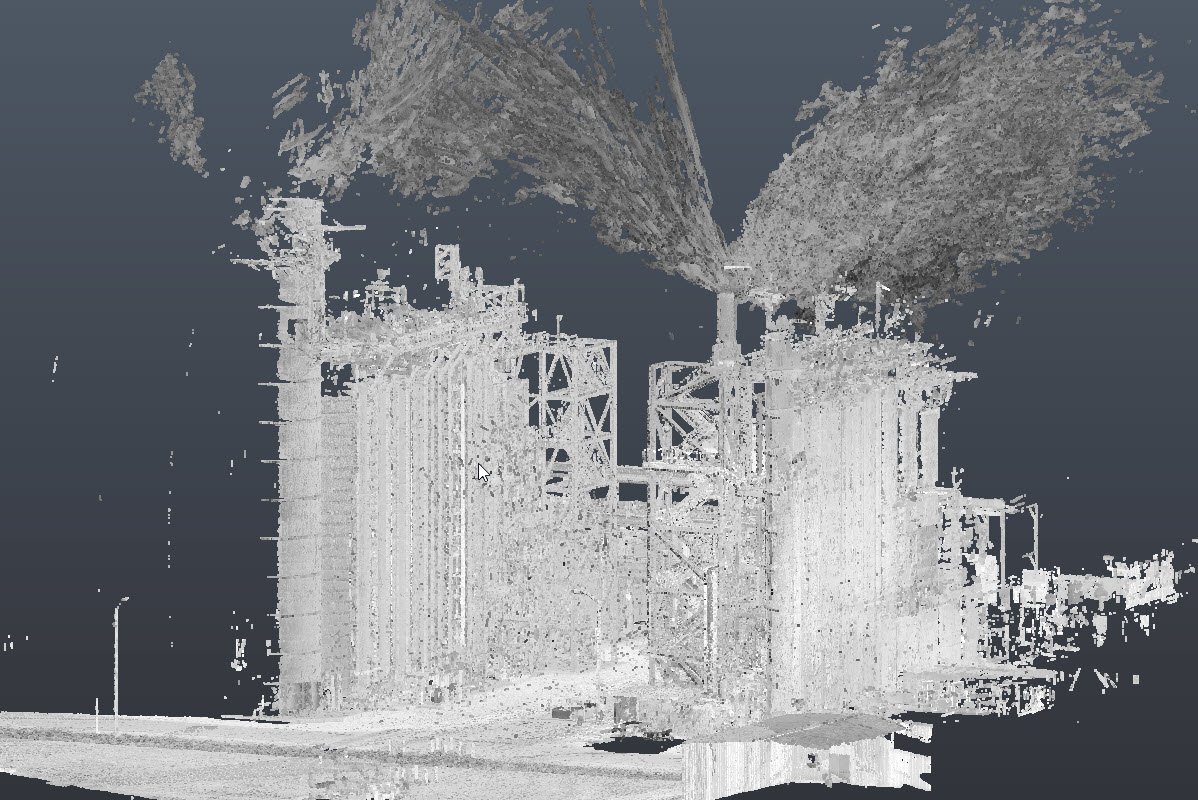
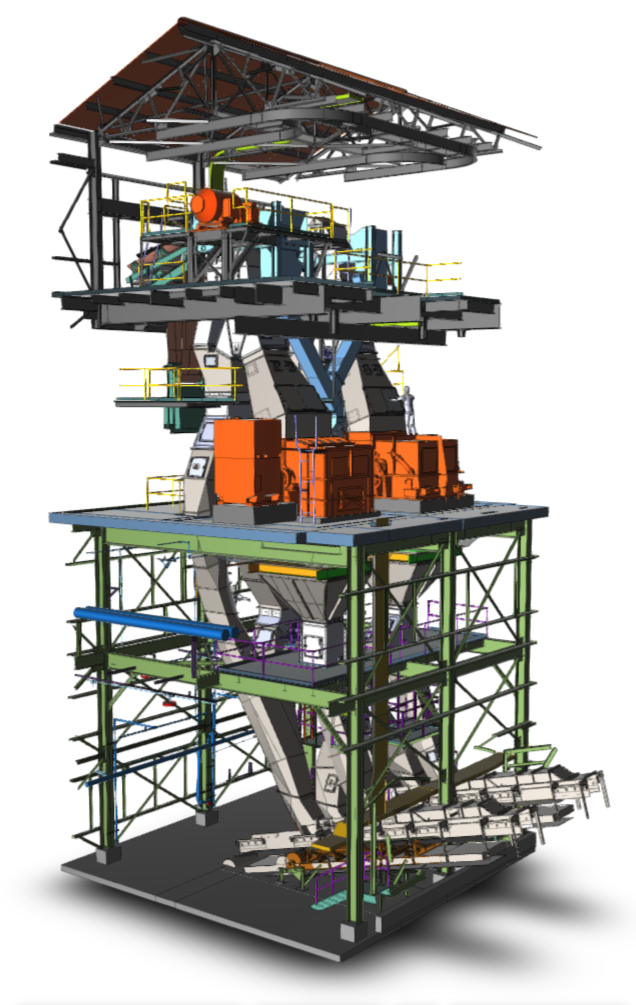
By using 3D laser scanning and as-built modeling to establish a verified baseline, coordination teams gain:
Instead of discovering conflicts during coordination, teams prevent them by modeling against what actually exists.
Consider a mechanical room retrofit in an active facility.
Without accurate as-built data:
With accurate existing-condition models:
From the GC’s perspective, this directly protects schedule and reduces coordination churn.
One of the biggest coordination wins for GCs is fewer coordination cycles.
When all trades coordinate against the same verified dataset:
This compresses the coordination timeline and reduces pressure downstream.
As prefabrication becomes more common, tolerance for error shrinks.
GCs increasingly rely on coordinated models to:
Accurate existing-condition data is what makes this possible. Without it, prefab risk increases and field adjustments erode the benefits.
From a GC standpoint, improved BIM coordination delivers measurable value:
Most importantly, it reduces the likelihood that coordination issues will surface when they are most expensive—during installation.
BIM coordination is only as effective as the information it starts with.
When MEPF trades are asked to coordinate against incomplete or outdated data, coordination becomes slow, repetitive, and adversarial. When they are given accurate, reality-based models of existing conditions, coordination becomes faster, more decisive, and far more reliable.
For general contractors, investing in accurate existing-condition data isn’t a technical preference. It’s a practical way to protect schedule, control risk, and ensure that coordinated models actually translate into buildable work.
Learn more about AsBuilt's BIM Coordination Service
Each project represents our commitment to accuracy and technical excellence




Talk with our team about your facility, scope, and objectives to determine the right capture, modeling, and analysis approach.