

There are thousands of engineering firms delivering similar services, using similar software, and producing similar deliverables. Yet project outcomes vary dramatically.
The difference isn’t talent.
It isn’t BIM maturity.
And it isn’t the tools used downstream.
The difference is how firms capture and understand reality at the very start of a project.
In practice, engineering firms fall into three distinct categories—defined by how they handle existing conditions.
The largest group of engineering firms still designs from inference.
They rely on legacy as-built drawings, partial site visits, selective field measurements, and historical assumptions to understand existing conditions. In greenfield work, this approach can work. In retrofit, renovation, and brownfield environments, it breaks down quickly.
Typical characteristics:
These firms are not careless. They are constrained by incomplete inputs. The result is predictable: conflicts discovered late, redesign during coordination, and inefficiencies that compound as projects move forward.
The second group is highly capable—but still reactive.
These firms begin projects with limited information, then progressively “reconstruct” reality as conflicts appear during BIM coordination, clash detection, or early construction.
Common traits include:
These firms manage uncertainty better than the first category, but they still allow it into the project and pay for it later.
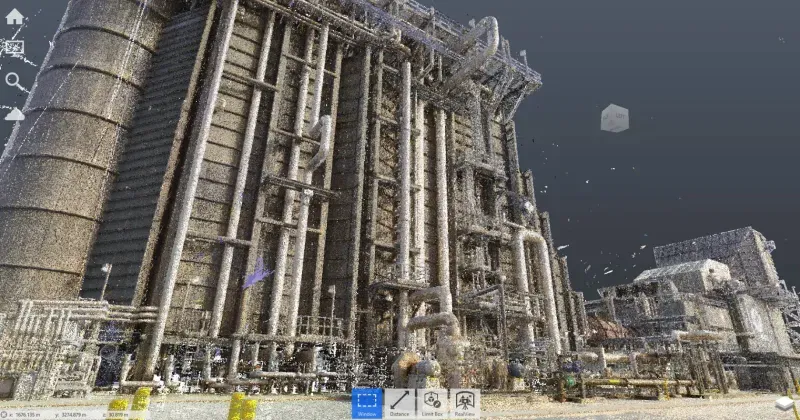
The third category approaches projects differently.
Instead of inferring or reconstructing reality, these firms capture it directly before design begins.
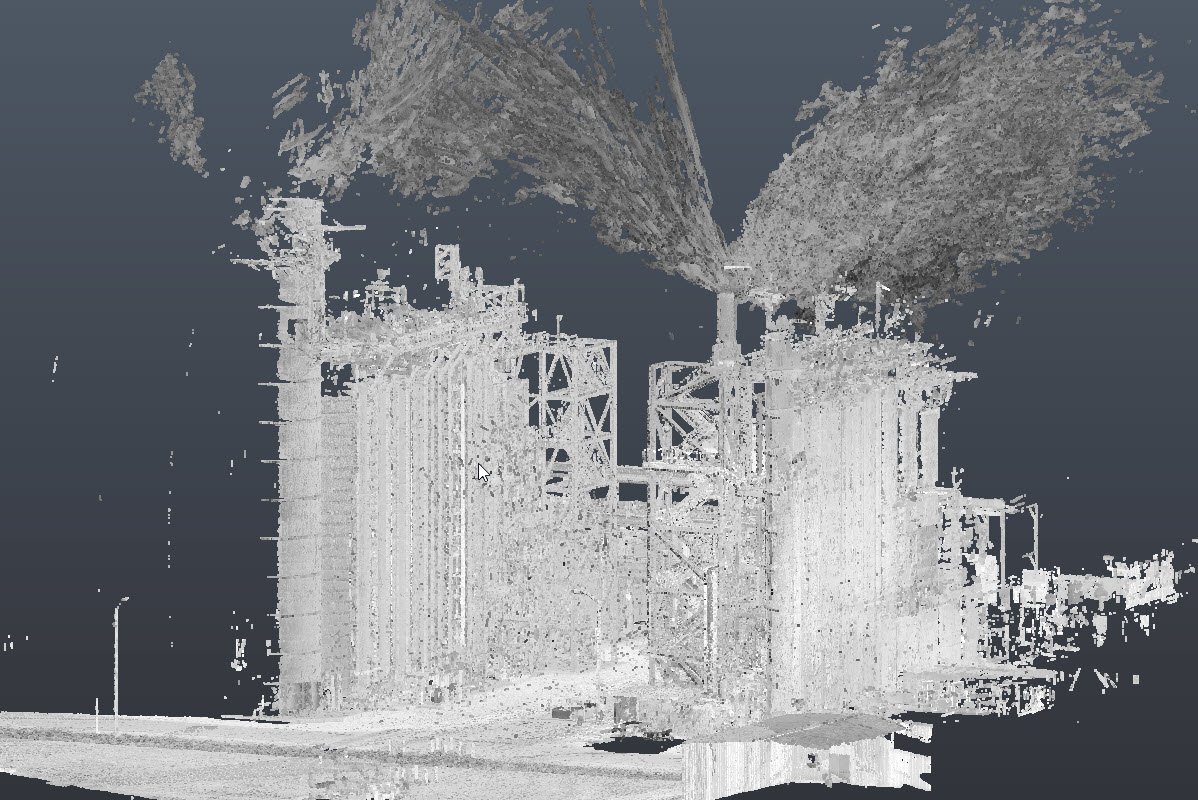
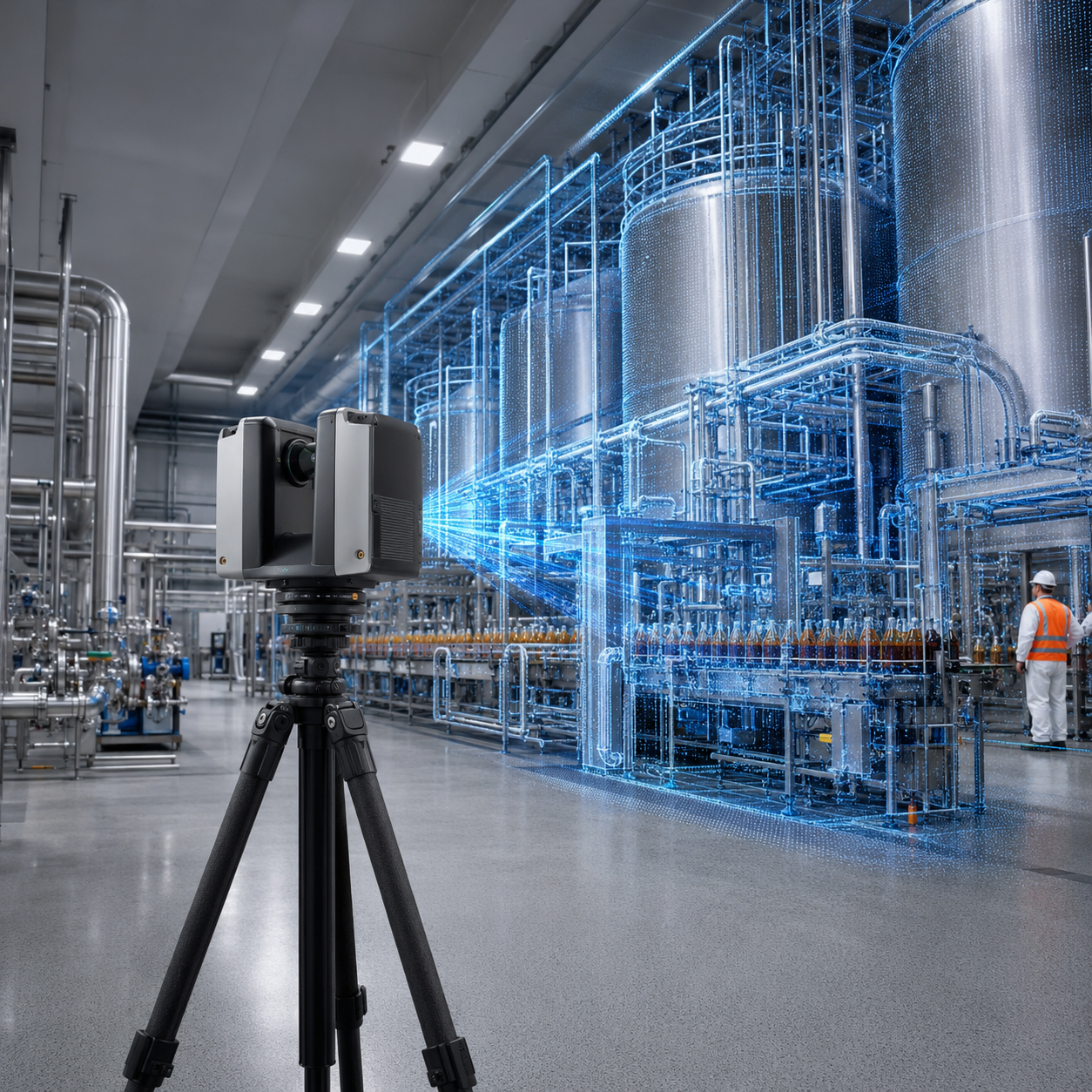
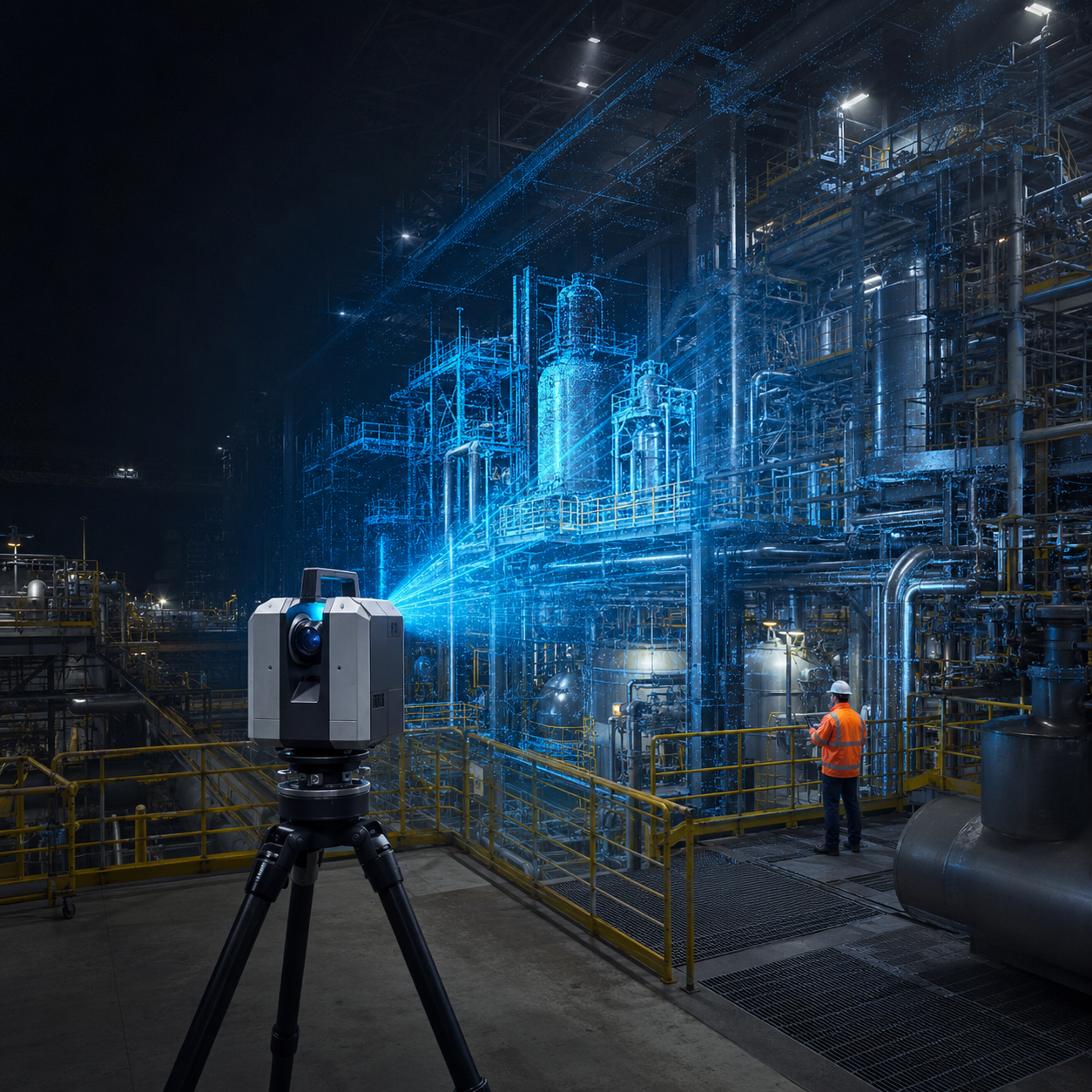
They start projects with accurate, high-resolution reality capture—using 3D laser scanning to document existing conditions as they truly exist. That data becomes the foundation for all downstream work.
Defining characteristics:
These firms don’t just design efficiently. They eliminate an entire class of preventable problems by removing uncertainty at the source.

Reality capture is not a visualization upgrade. It is an information upgrade.
By replacing assumptions with measured data, engineering teams gain:
This fundamentally changes how BIM coordination, design development, and documentation unfold.
Design decisions stick. Coordination cycles shrink. Redesign becomes the exception instead of the norm.

What separates the third category from the others is not software or modeling skill. It is the quality of the starting data.
Firms that integrate scanning into their standard workflow stop guessing. Firms that don’t are forced to manage the consequences of incomplete information downstream.
Across the industry, expectations are changing:
As these pressures increase, firms that rely on inferred conditions will struggle to keep up. Firms that begin with reality capture will continue to gain efficiency, credibility, and trust.
There may be thousands of engineering firms, but they fall into three categories:
Only one of these approaches consistently reduces risk, improves coordination, and produces predictable outcomes.
And that approach starts with reality capture.
Each project represents our commitment to accuracy and technical excellence

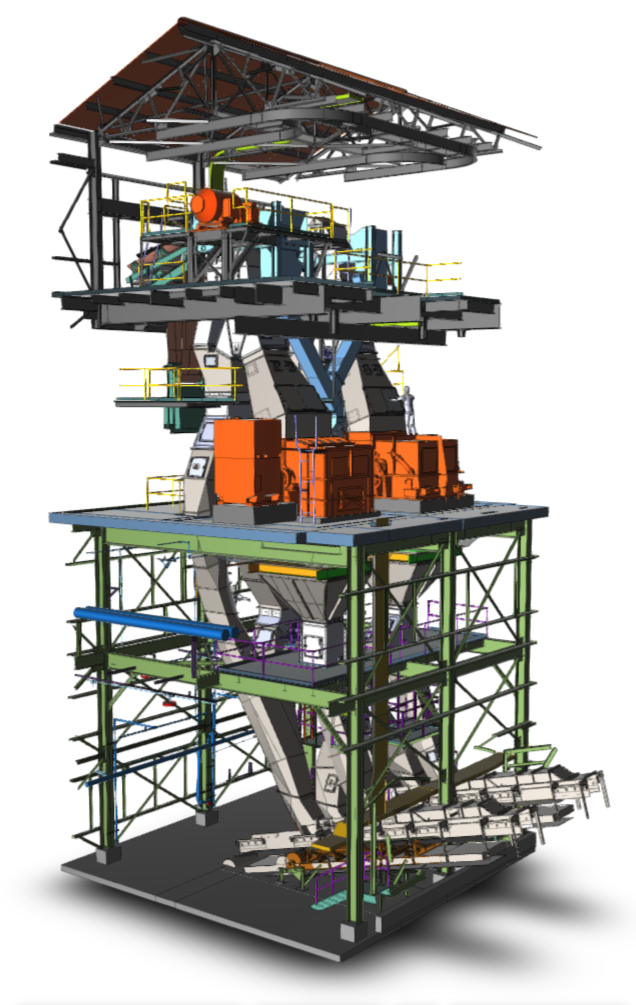

Talk with our team about your facility, scope, and objectives to determine the right capture, modeling, and analysis approach.