Demolition and installation projects are unforgiving. Once work begins, mistakes are expensive, disruptive, and often irreversible.
The most common cause of failure isn’t execution in the field. It’s poor understanding of existing conditions before demolition starts.
Demolition and installation work almost always takes place in environments that have evolved over time. Structural modifications, undocumented utility reroutes, and equipment changes are common—yet rarely reflected accurately in legacy drawings.
When teams plan demolition or new installations using incomplete information, they expose themselves to:
These issues are not edge cases. They are predictable outcomes of starting with unreliable data.
Read how reality capture decreases risk and boost efficiency.
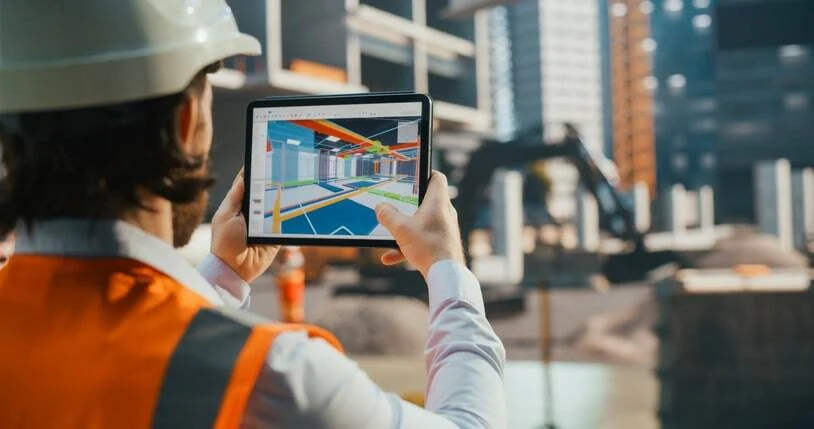
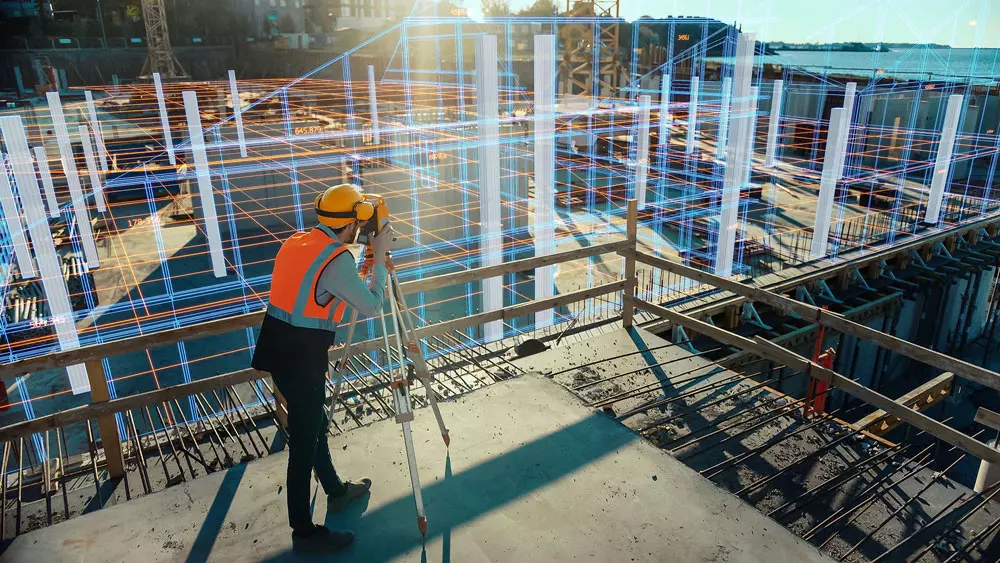
In demolition and installation projects, a digital twin is not a conceptual model. It is a verified, spatially accurate representation of the site as it exists today.
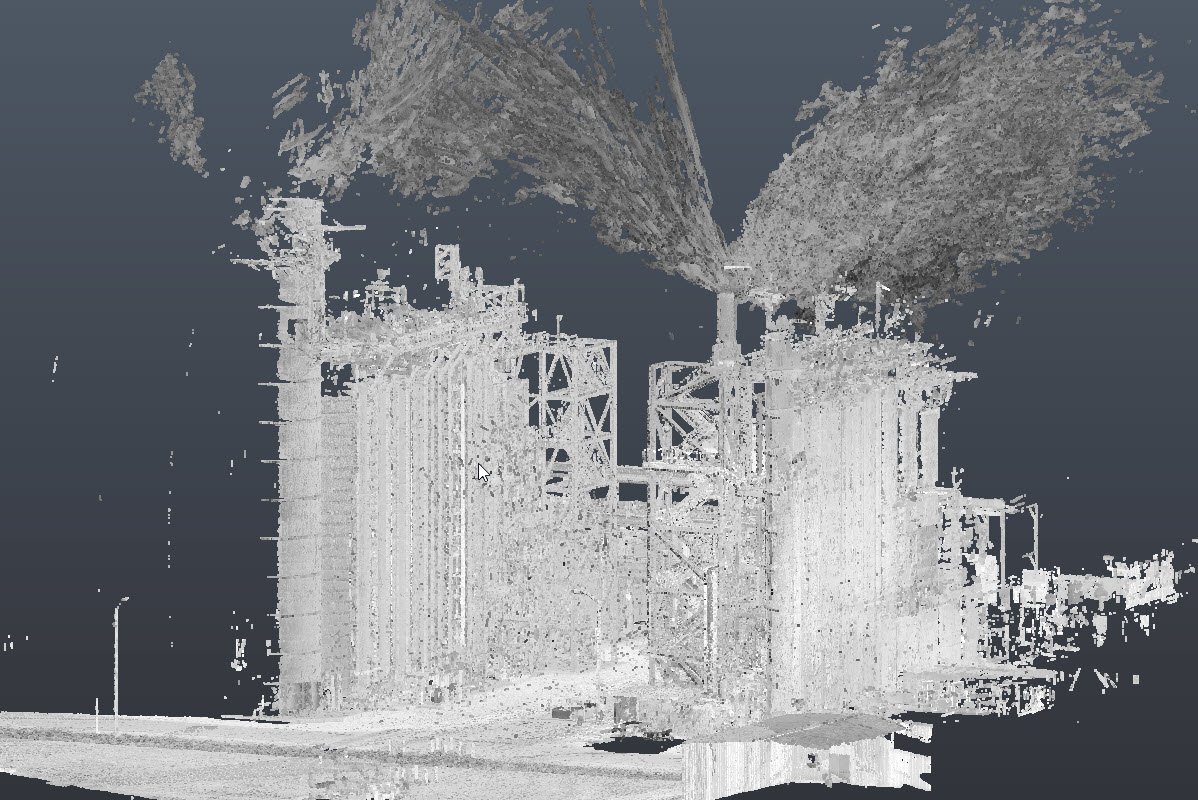
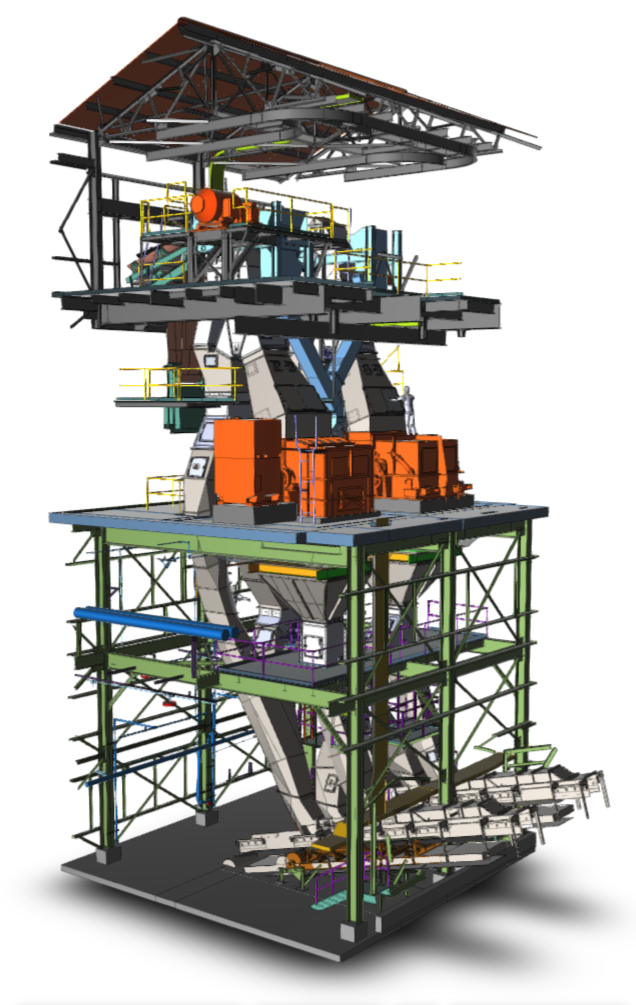
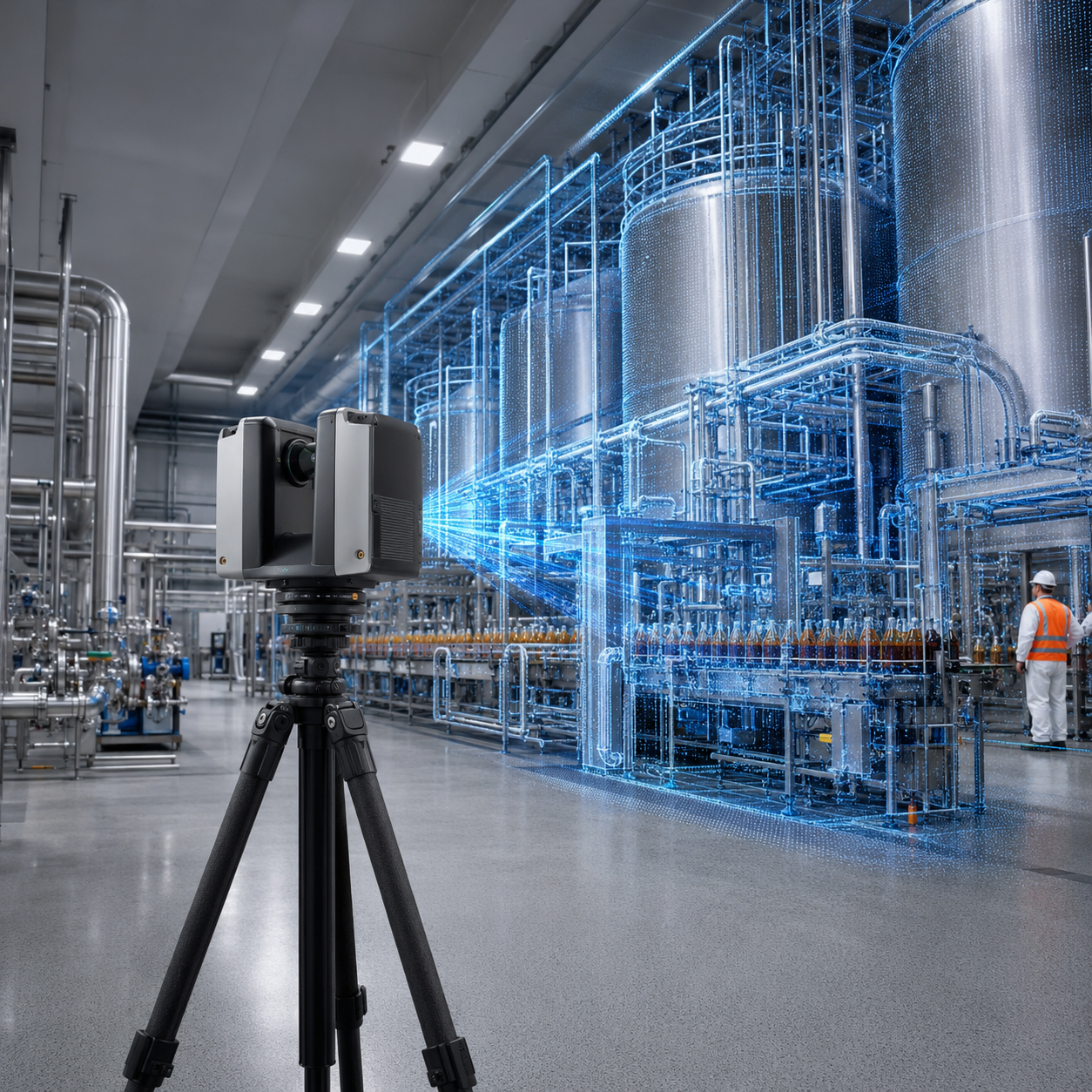
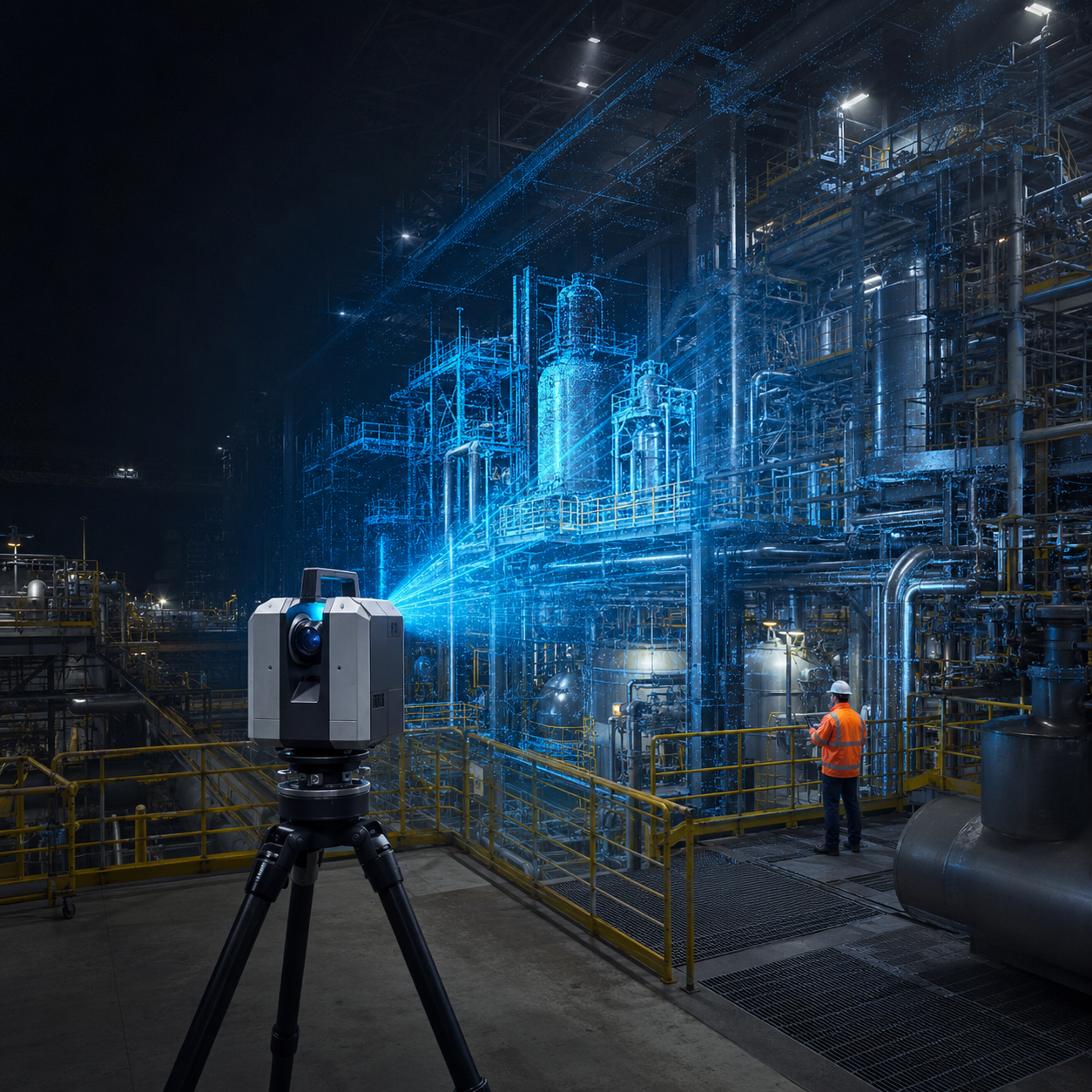
Created through 3D laser scanning and as-built modeling, this digital twin allows teams to understand geometry, clearances, and interfaces before anything is removed or installed.
It becomes a shared reference point for engineers, contractors, and owners—grounded in reality, not assumptions.
Accurate as-built data allows demolition to be planned deliberately instead of reactively. Teams can identify what should be removed, what must remain protected, and how removal sequences should be executed.
This reduces surprises in the field and improves safety by eliminating unknowns before work begins.
For installation projects, especially those involving prefabricated components or tight tolerances, accuracy matters. A digital twin enables engineers to verify fit-up, alignment, and access long before fabrication or delivery.
The result is fewer field modifications, smoother installation, and reduced downtime.
Pro Tip: add 3D models to the scan to plan our future projects.
The value of a digital twin extends beyond planning. It supports coordination, improves communication across teams, and provides a reliable reference throughout construction.
Most importantly, it shifts risk out of demolition and installation—where it is costly—and back into planning, where it can be managed.
Demolition and installation projects don’t fail because teams lack experience. They fail because decisions are made without a clear understanding of existing conditions.
A digital twin built from accurate as-built data gives teams the clarity they need to remove, install, and execute with confidence.
Want to see examples? Visit Our Work page for real world examples of 3D scans used for demolition and installation projects.
Each project represents our commitment to accuracy and technical excellence


Talk with our team about your facility, scope, and objectives to determine the right capture, modeling, and analysis approach.