
RFQs set the tone for an entire project.
When they are accurate, bids are comparable, scopes are clear, and projects move forward with confidence. When they are not, risk is quietly transferred downstream—into pricing buffers, change orders, and strained relationships between owners, contractors, and trades.
Most costly project mistakes don’t start in the field. They start in the RFQ.
General contractors are under increasing pressure to lock pricing earlier, compress schedules, and reduce contingency. At the same time, projects are becoming more complex—especially in retrofit, renovation, and brownfield environments.
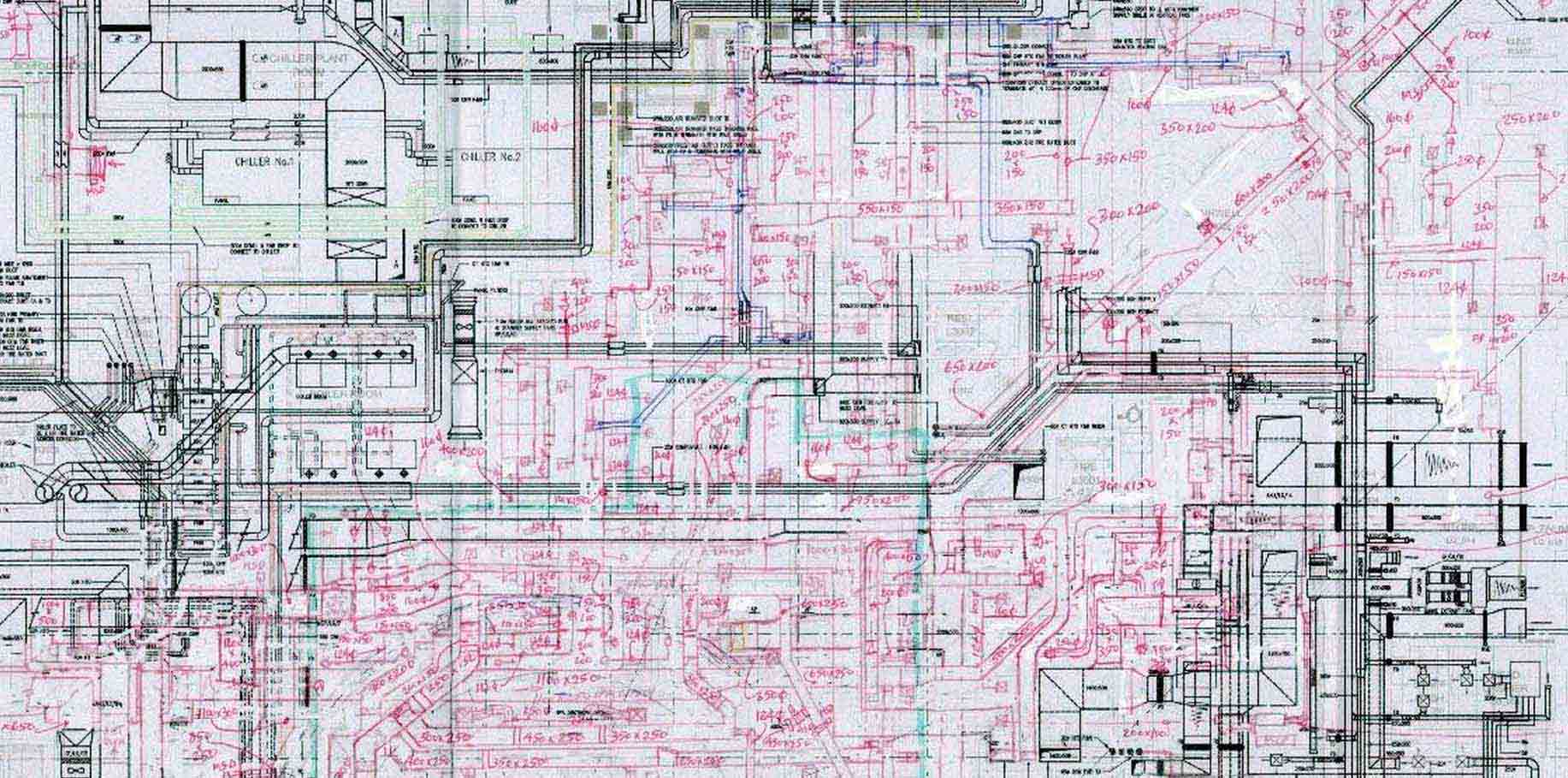
Yet many RFQs are still issued using:
The result is predictable: bids that look competitive on paper but fail under real-world conditions.
When RFQs are built on uncertain information, risk doesn’t disappear—it gets priced in.
Trades respond by:
From the GC’s perspective, this creates:
What looks like a pricing issue is actually an information problem.
Learn more about the Hidden Costs of Outdated and Inaccurate Drawings.
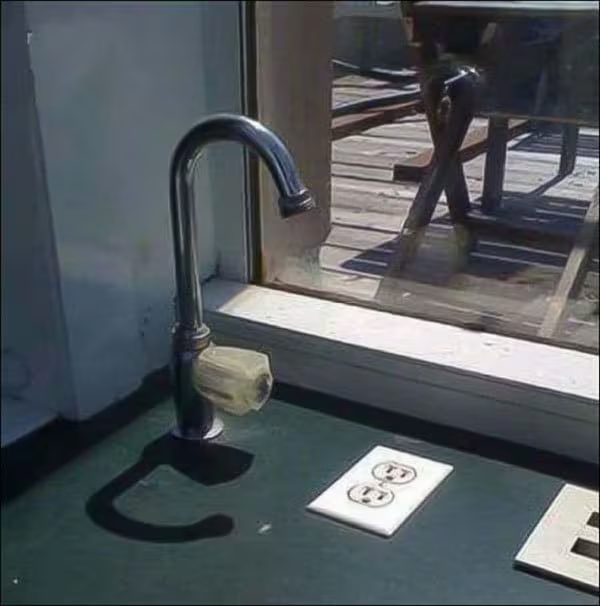
Inaccurate RFQs often lead to:
These issues are not the result of poor execution. They are the downstream impact of RFQs that did not reflect actual site conditions.
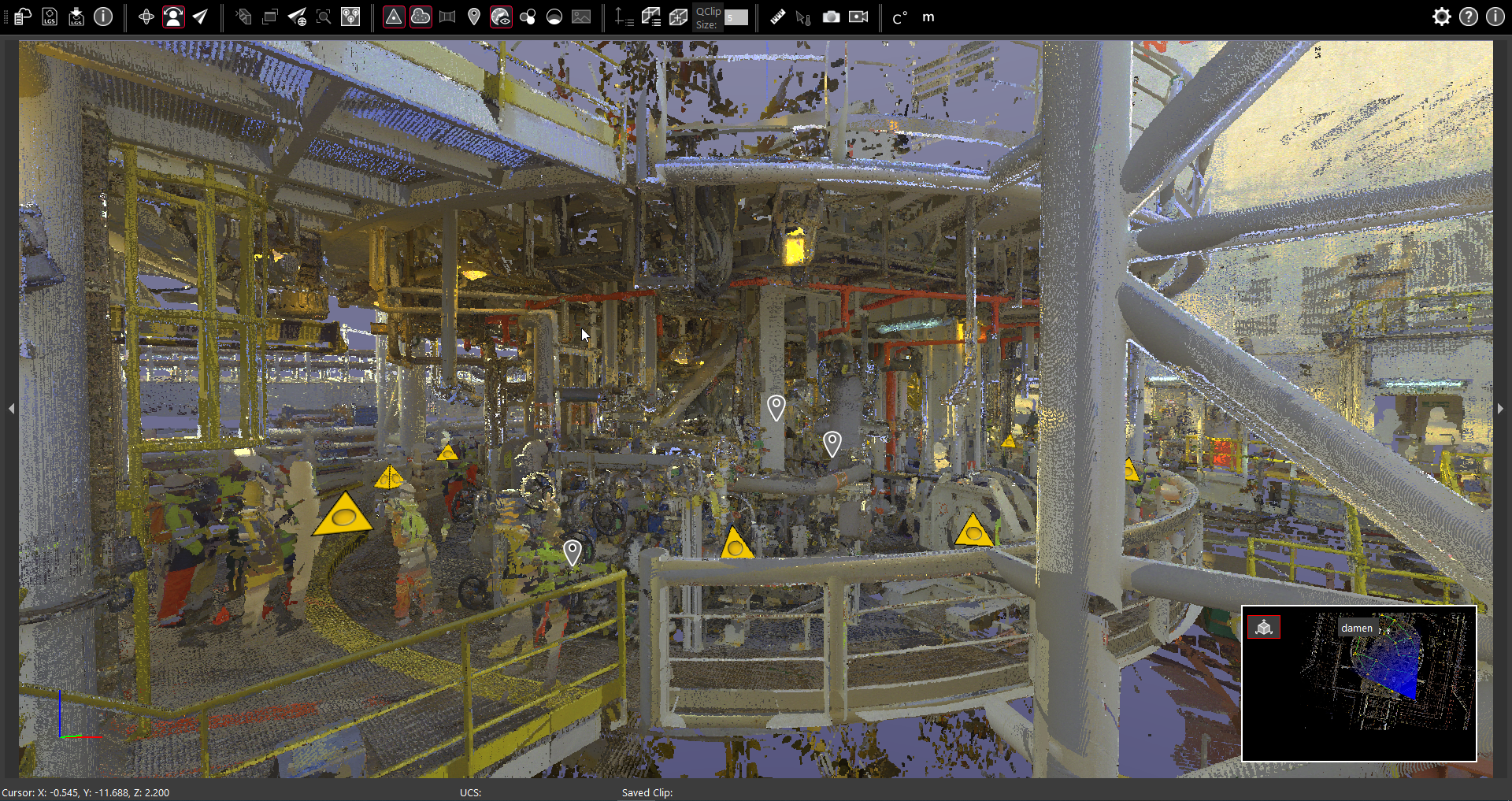
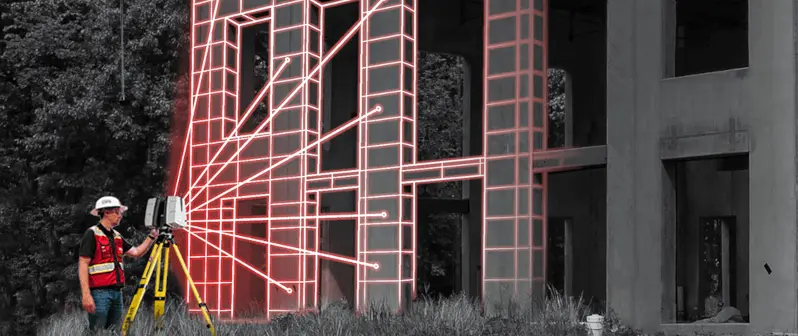
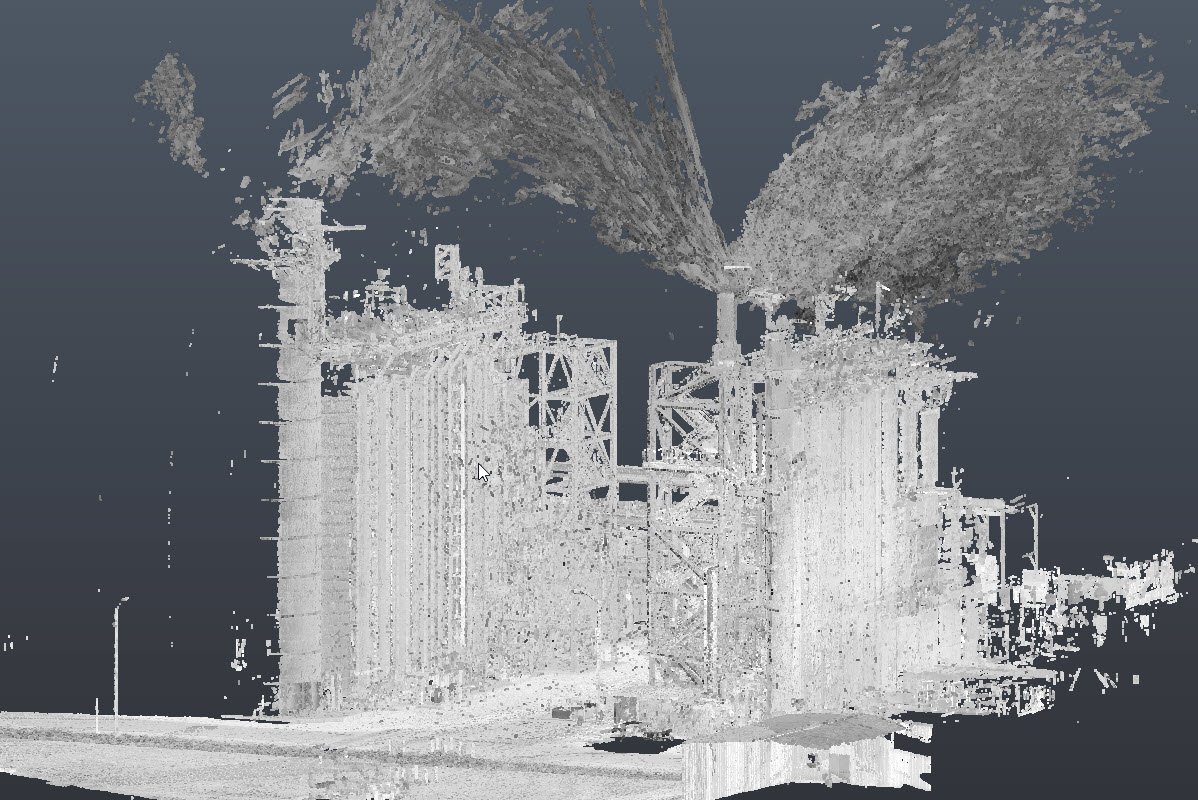
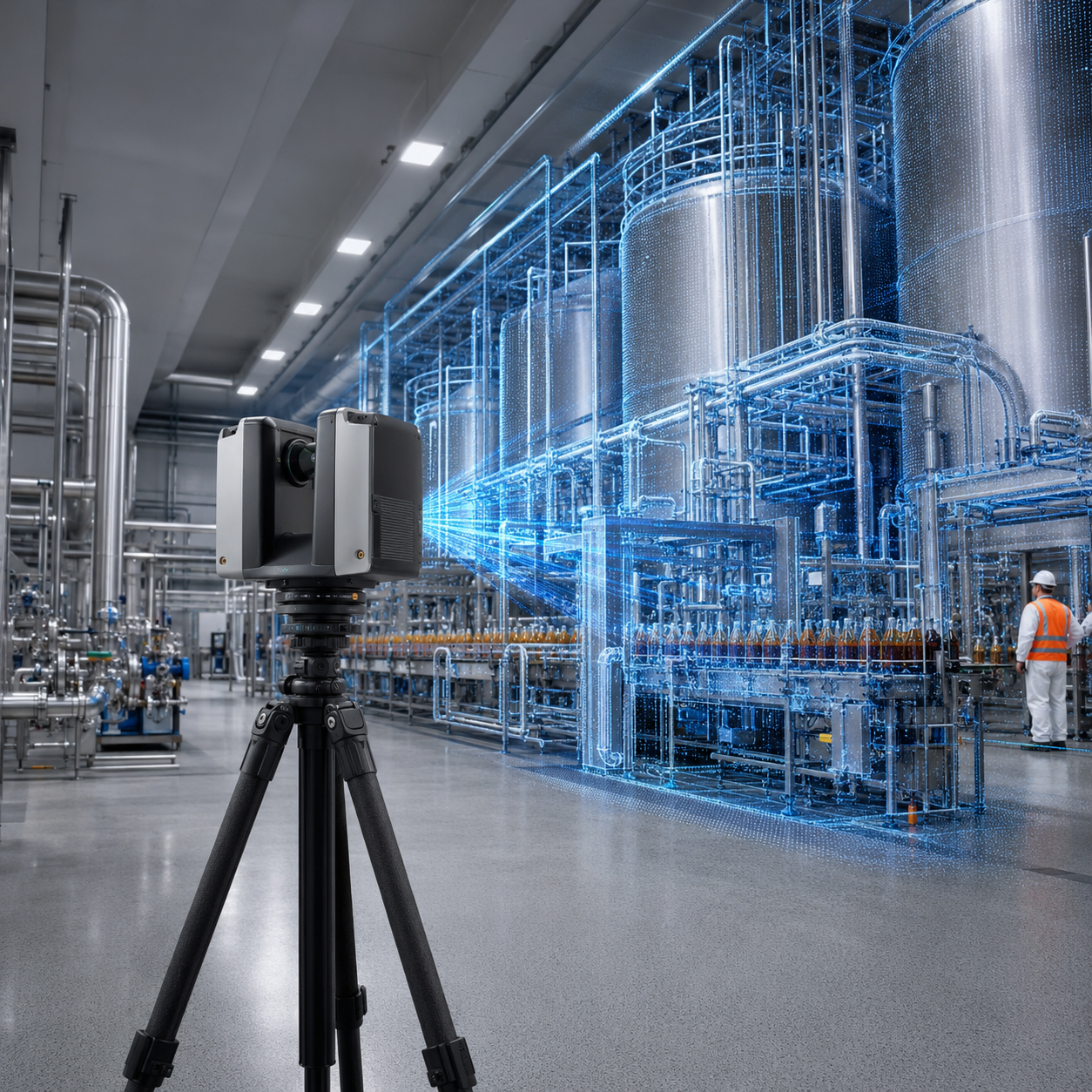
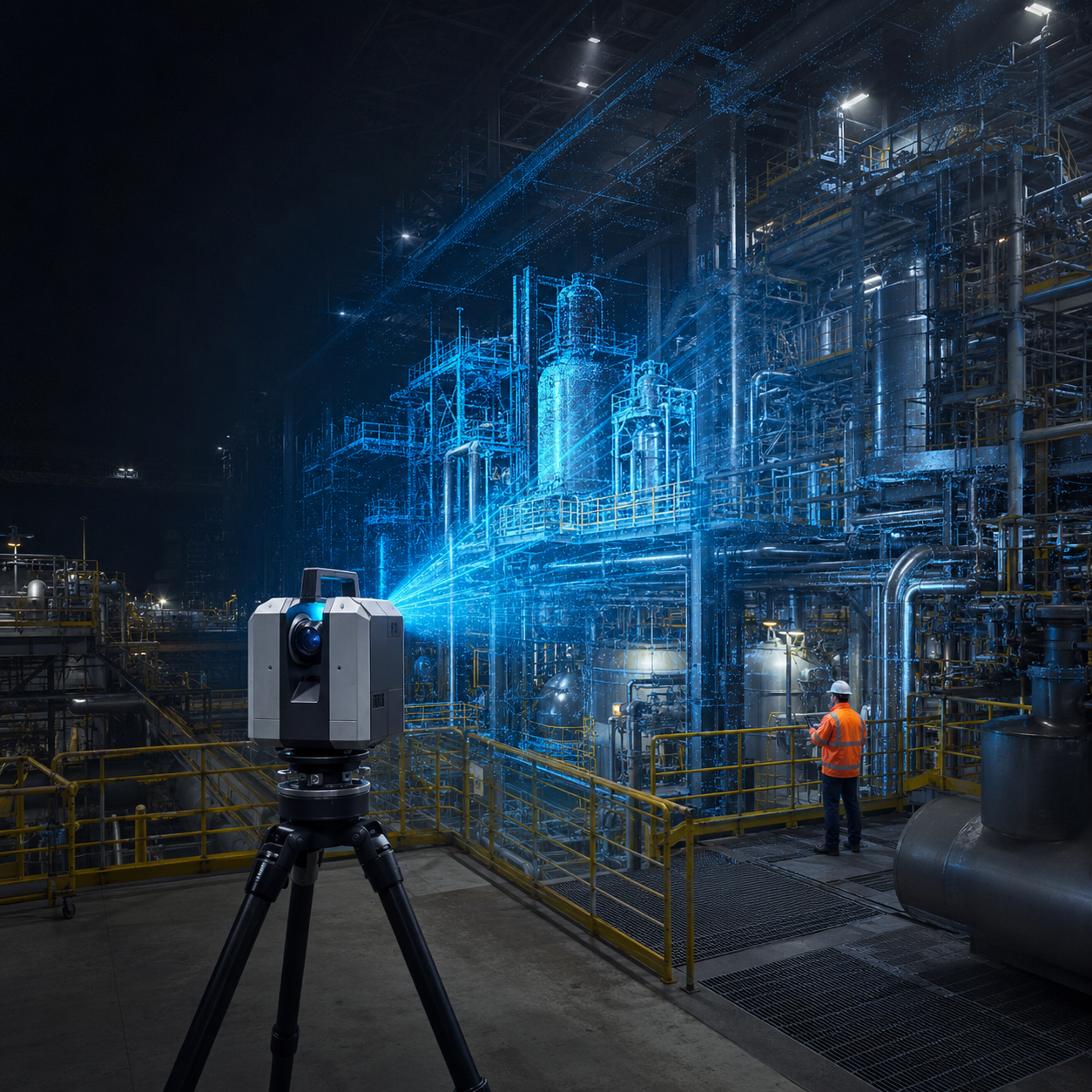
3D laser scanning changes the quality of information used to build an RFQ.
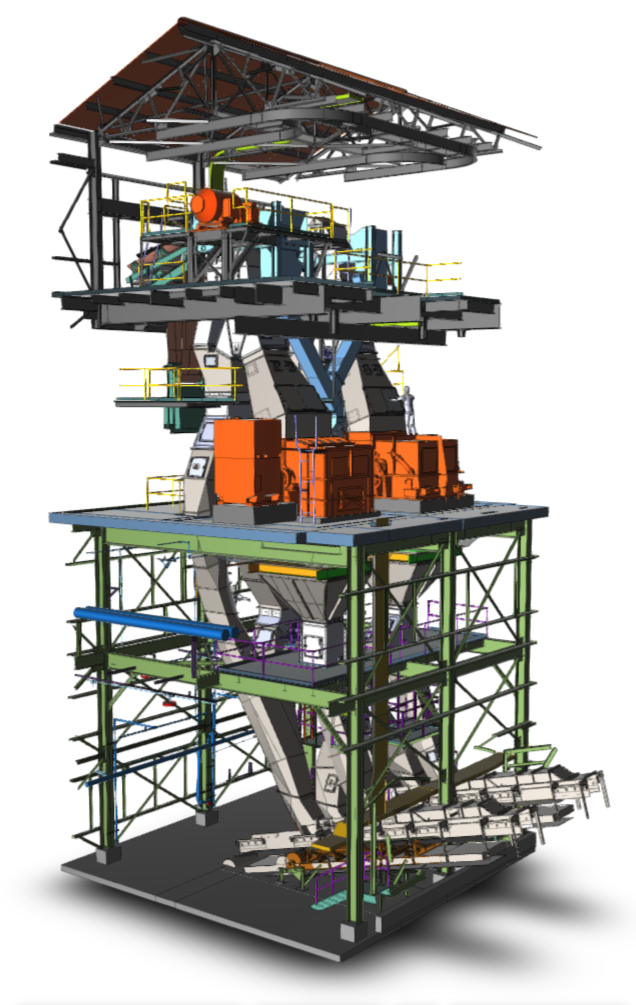
By capturing existing conditions as they truly exist—and translating that data into usable as-built models—project teams can define scope with far greater accuracy.
This allows RFQs to be based on:
Instead of asking trades to assume, GCs can provide them with reality.
Consider an equipment replacement project in an active facility.
Without accurate as-built data:
With 3D scanning incorporated into the RFQ:
The difference shows up not just in cost, but in predictability.
Accurate RFQs improve bid quality across the board.
Trades are able to:
For general contractors, this leads to:
Once construction begins, correcting RFQ errors is costly. Crews are mobilized. Materials are ordered. Schedules are committed.
3D scanning allows teams to reduce risk at the earliest—and cheapest—stage of the project. It shifts uncertainty out of pricing and execution and into planning, where it can be resolved deliberately.
An RFQ is only as accurate as the information behind it.
When RFQs are built on assumptions, risk gets priced in and mistakes follow. When they are built on verified existing-condition data, projects start with clarity instead of contingency.
Using 3D scanning to support RFQ development isn’t about technology adoption. It’s about issuing scopes that reflect reality—and avoiding costly mistakes that never needed to happen.
Each project represents our commitment to accuracy and technical excellence


Talk with our team about your facility, scope, and objectives to determine the right capture, modeling, and analysis approach.