

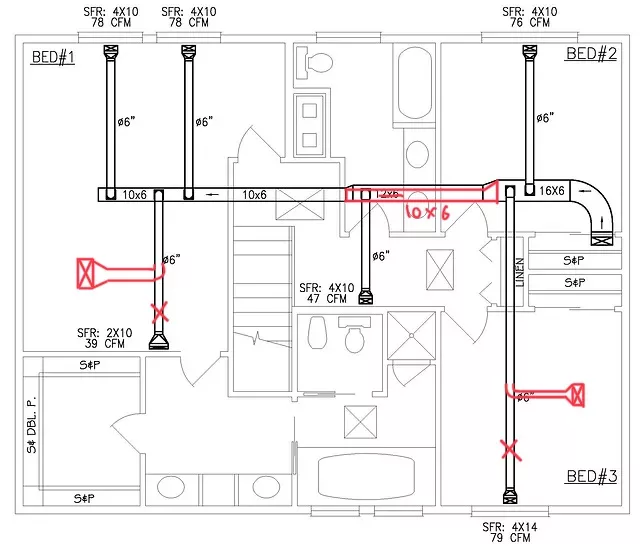
Engineers and owners rarely notice outdated as-builts—until the jobsite proves them wrong.
In brownfield and retrofit projects, legacy drawings are often treated as a “good enough” starting point. The problem? They quietly drive design decisions that don’t match reality—introducing risk, rework, and schedule hits long before construction even starts.
This isn’t about bad drafting. It’s about trusting documentation that was never meant to support today’s decisions.
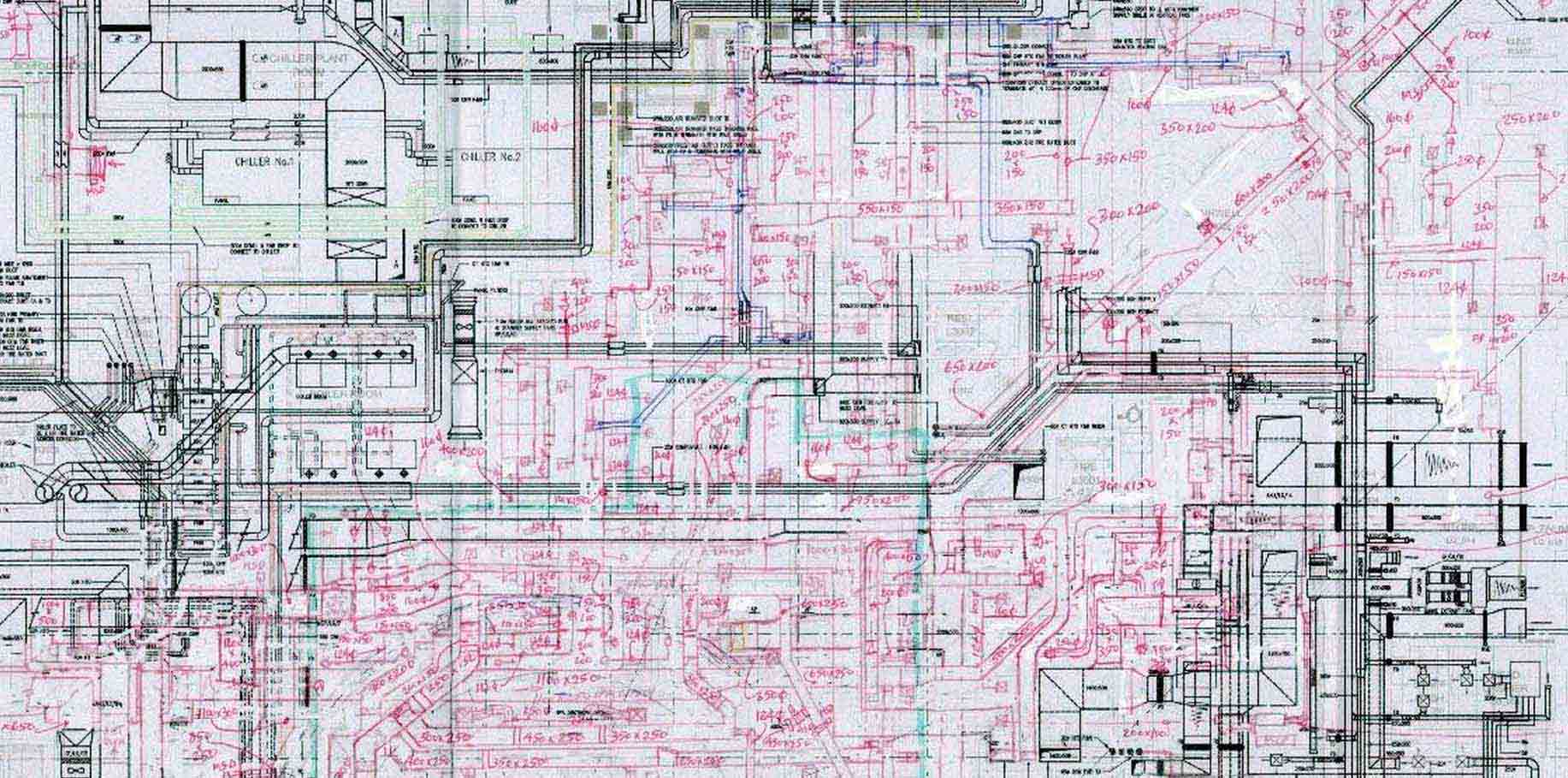
Most industrial facilities evolve faster than their documentation. Over years—or decades—changes stack up:
Eventually, the drawings represent a version of the plant that no longer exists.
On one utility project, design began using a 20-year-old piping set labeled “As-Built.” On paper, clearances looked fine. In reality, a major line had been shifted nearly 18 inches during an outage years earlier. That single discrepancy forced a redesign, delayed procurement, and triggered a change order no one had budgeted for.
The drawings weren’t wrong when they were made. They were just obsolete.
Outdated as-builts don’t fail loudly. They fail quietly—by influencing hundreds of downstream decisions.
Engineers design to what they can see. When the reference is wrong:
By the time reality shows up, engineering hours are already spent—and spent twice.
Read more on The Hidden Cost of Outdated As-Built Drawings
When construction teams discover mismatches:
Schedule slips rarely trace back to “bad drawings,” but that’s where the dominoes started falling.
Clearances, access paths, and maintenance envelopes are often assumed from drawings. In the field, those assumptions can:
These aren’t just technical issues—they’re operational risks.
Most engineers know legacy documentation is risky. But projects move fast, and questioning the baseline feels like slowing things down.
So teams design anyway—hoping field conditions mostly match.
That fear shows up as:
Ironically, trying to save time by trusting old drawings often costs more time later.
A common workaround is to design from legacy as-builts and plan to “field verify critical items later.” In practice, this creates gaps:
We’ve seen projects where 80% of issues found during construction could have been identified before design—if reality had been captured up front.

Accurate as-builts today aren’t static drawings—they’re measured conditions.
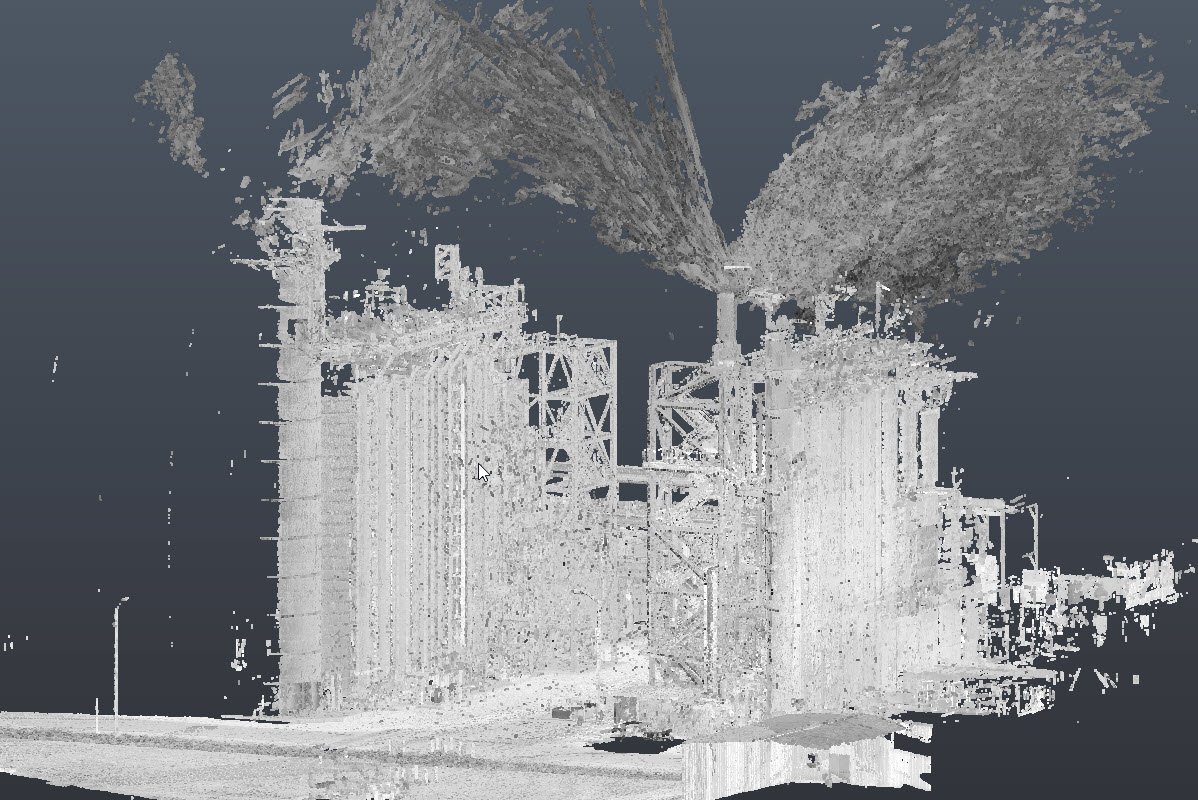
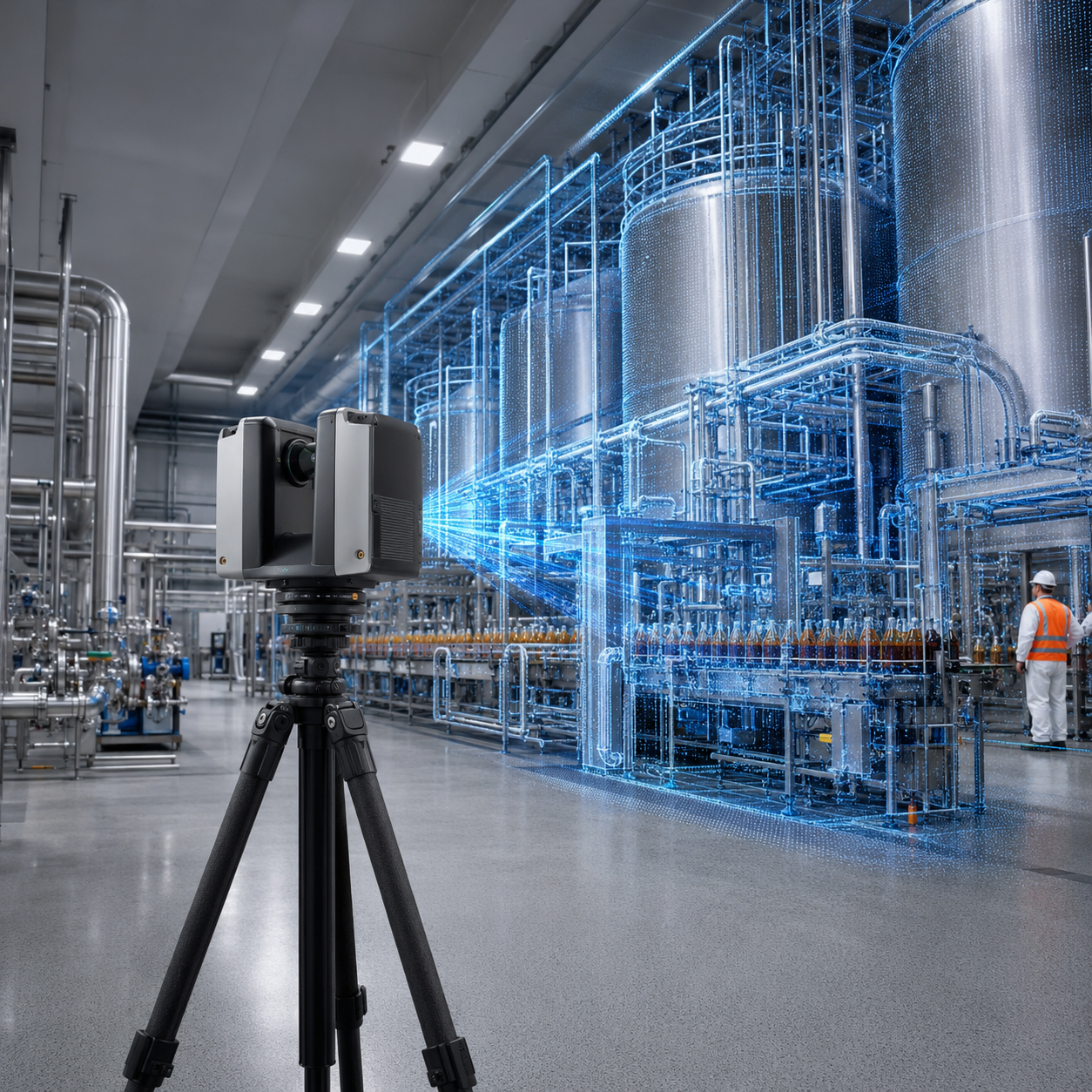
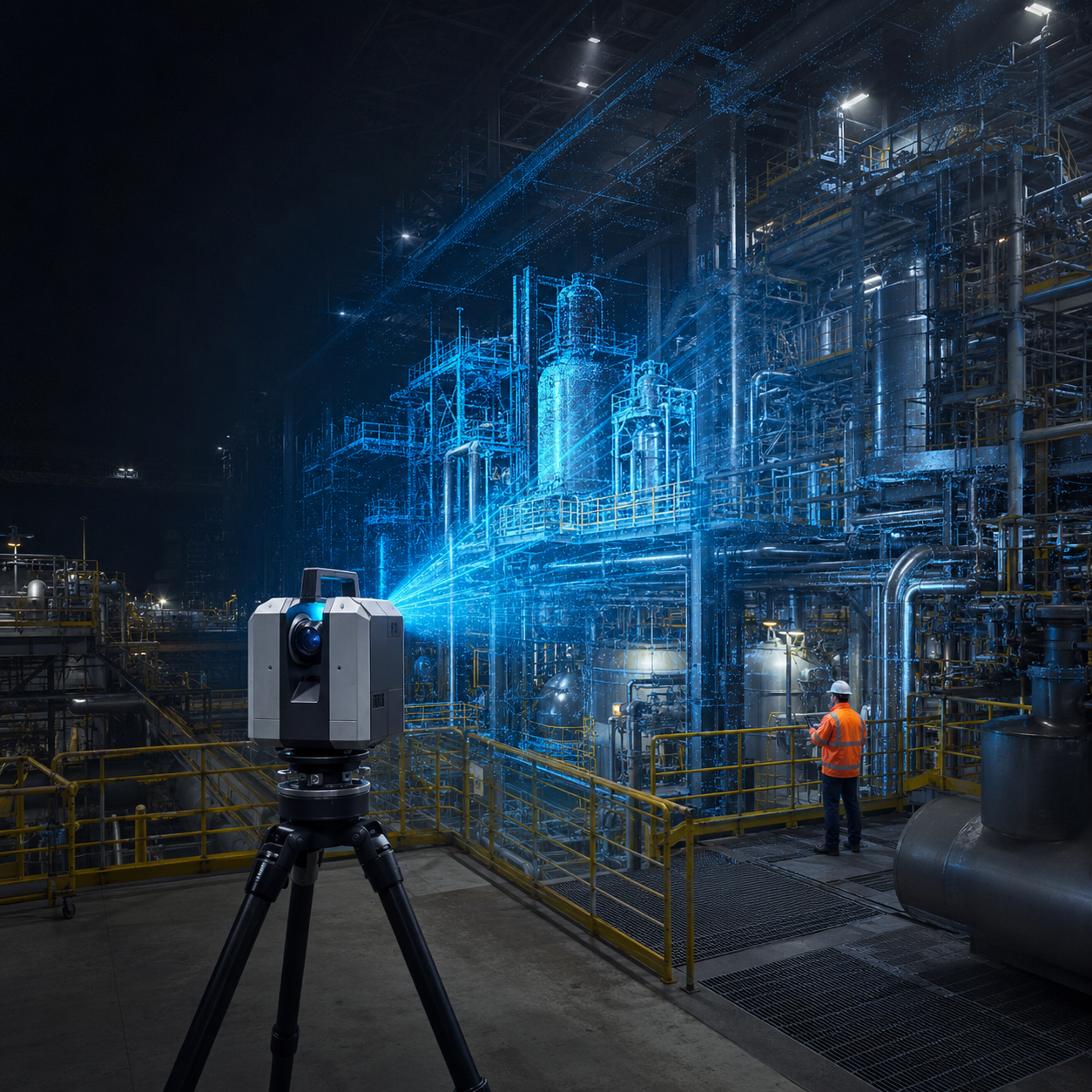
Laser scanning and reality capture provide:
Instead of debating which drawing is right, teams design against what’s actually there.
This isn’t about new technology for its own sake. It’s about reducing uncertainty where it matters most.

Outdated drawings are risky on any project—but especially when:
In these scenarios, assumptions aren’t just expensive—they’re operational liabilities.
Before trusting existing as-builts, ask three questions:
If the downside is significant, legacy documentation shouldn’t be the design baseline.
Outdated as-built drawings don’t announce themselves as a problem. They quietly undermine decisions until the field forces a correction.
The most reliable way to reduce design risk isn’t more reviews—it’s better inputs.
When engineers and owners align around measured reality instead of inherited assumptions, projects move faster, safer, and with far fewer surprises.
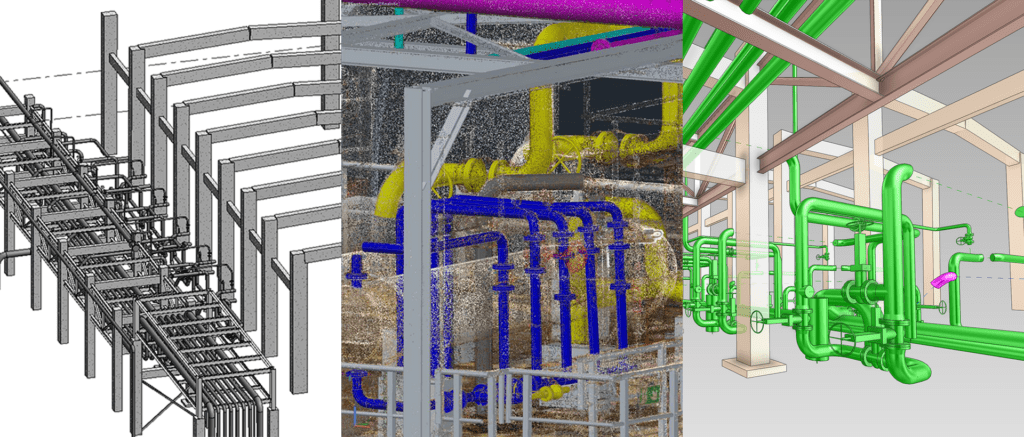
If your next project depends on drawings older than the facility’s last outage, it’s time to reassess the baseline. Accurate, up-to-date as-built data gives engineers confidence and owners predictability—before construction exposes the gaps.
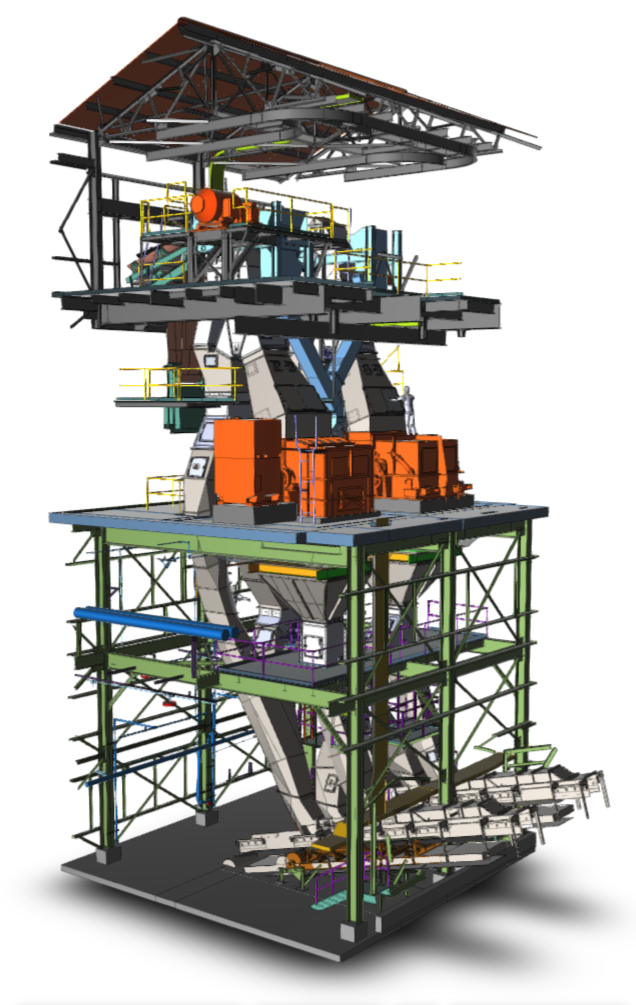
Each project represents our commitment to accuracy and technical excellence


Talk with our team about your facility, scope, and objectives to determine the right capture, modeling, and analysis approach.