
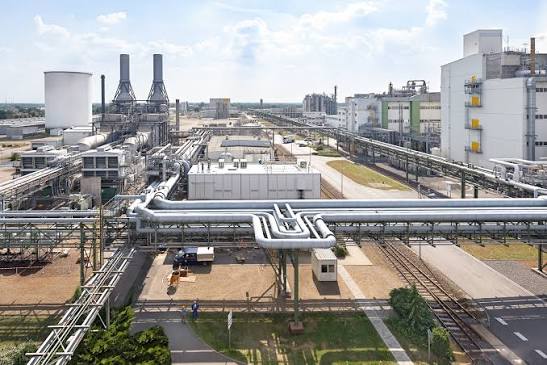
Capital budget season is when a plant decides what it will spend next year, and on what. For most industrial plants and utilities, the number that goes into that budget is built the same way it was built ten years ago: material quoted by a vendor, and everything else estimated from experience. A capital project estimate built on laser scanning starts from the other end. It measures the area first, models it, and lets the budget come out of what is actually installed.
This post covers why capital estimates miss, what changes when the estimate starts from a scan, and how to get the measurement done in time to matter for next year's budget.
An engineering manager at a regulated power utility described his plant's process to us this fall. Material gets firmed up with budgetary quotes from vendors. Craft hours get estimated at journeyman rates. Design often gets missed. Then he said the part most owners won't say out loud:
"But I'm gonna be straight up honest with you. The, the labor and the design portion of it is typically best estimated guess."
By his own rule of thumb, design alone can range from about 5% of the project cost to 15 or 20%, depending on how many disciplines the work touches. That is a wide band to leave to a guess, and it sits on top of a labor number with the same problem.
He was not describing a weak plant. Talking about his peers across the industry, he put it this way: "I don't think any of us are great at building capital budgets and having good estimates and all that in there."
The stakes are rising. U.S. investor-owned electric utilities are on track to invest about $1.1 trillion between 2025 and 2029, according to Edison Electric Institute estimates reported by Latitude Media. More money is moving through the same planning process, and the same guesses are scaling with it.
Labor and design estimates miss for a simple reason: the people building them are estimating against the plant they remember, or the plant on the drawings. Neither one is the plant that is standing there.
Each of those shows up later as a change order, a rebid or a project that slides into the next budget year.
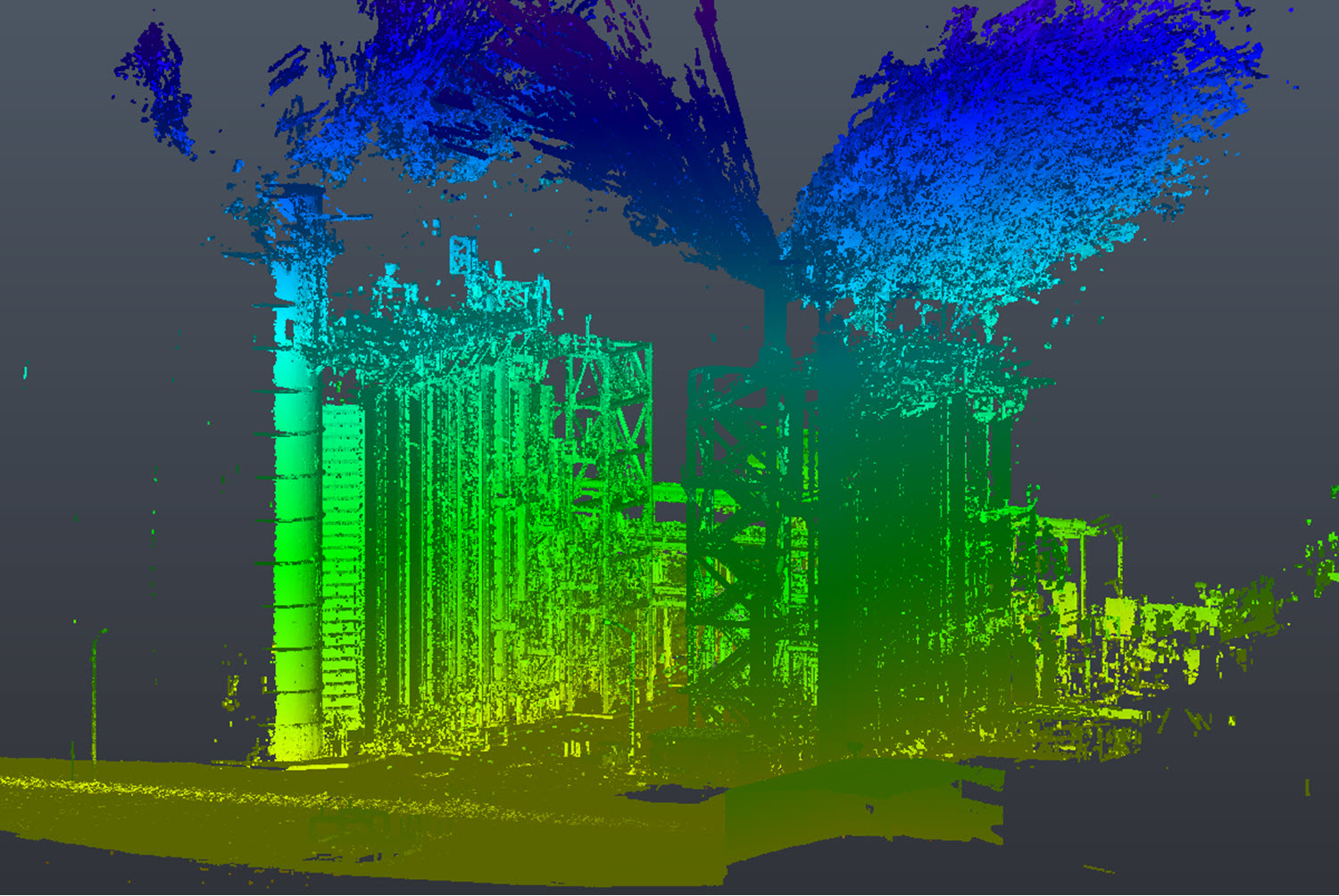
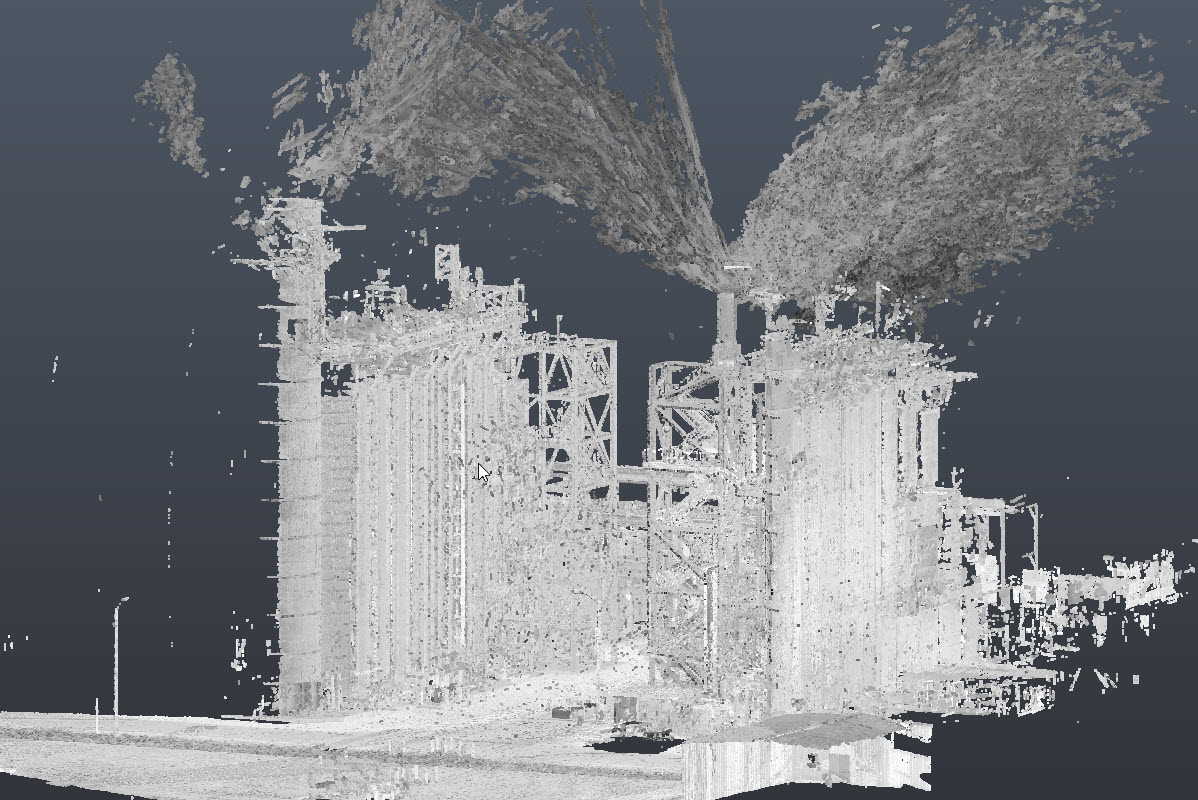
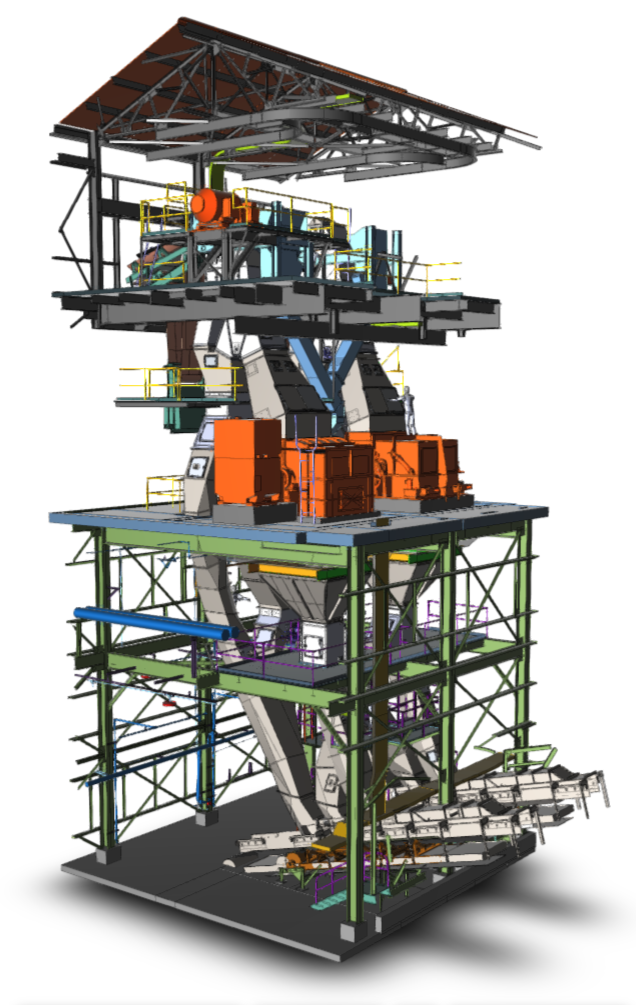
The alternative is to measure before the number is set. The area is laser scanned, the point cloud is registered and modeled, and the concept design is laid into that model. Jason Adkins of AsBuilt describes what that gives the estimator:
"Everything's really cheap to move around. [...] Now we know, you know, how much piping do I need, you know, how many welds do I anticipate, how many flanges, how many flange connections? [...] So this is now a package that when it's put together now we have something that we're able to build real budget numbers off of."
That is the shift. The estimate stops being a judgment about how hard the job will be and becomes a count of what the job contains. Vendor equipment models drop into the scan model, routing options can be tested against real steel and real piping, and the bill of material comes out of geometry that was measured.
It also changes what the team asks for at the start. On this kind of work, Adkins says, the drawings are no longer the first request:
"I mean, that technology, there's no need for drawings. We don't even ask for them anymore. Unless it's concrete slab drawings that we may need to know what's in it."
Embedded items still need the record set, because a scanner cannot see inside concrete. Everything above the surface gets measured.
For budgeting, the deliverables should be scoped to what the estimate needs, not to a full plant documentation effort. A typical package includes:
The accuracy needed for a budget-grade model is usually lower than for fabrication, which keeps the first phase lean. Our post on what accuracy your as-built model actually needs explains how to set that tolerance, and what drives the cost of a scanning project covers the scoping decisions that move it.
A budget-phase scan is not throwaway work. If the project is approved, the same point cloud and model become the basis for detailed design, fabrication checks and installation planning. The measurement is paid for once and used at every gate after it. If the project is deferred, the plant still owns an accurate record of that area for the next time it comes up.
The scan only helps the budget if it happens before the budget is final. For a plant planning next year's projects now, that means:
Projects with long-lead material make the timing tighter, because progress payments and design money often have to land a year before the installation itself.
Material is the part of a capital budget that already gets quoted. Labor and design are the parts that get guessed, and they are the parts that move. Laser scanning the project area before the budget is set turns those guesses into quantities, gives the estimate a design basis that matches the plant, and leaves the plant with a model it will use again when the work goes ahead.
AsBuilt 3D scans and models existing conditions for capital projects in power plants and industrial facilities. If you have line items in next year's plan that are built on a best guess, contact our team to scope the scan before the budget locks.
Each project represents our commitment to accuracy and technical excellence


Talk with our team about your facility, scope, and objectives to determine the right capture, modeling, and analysis approach.